







Heritage
A house, in its own words
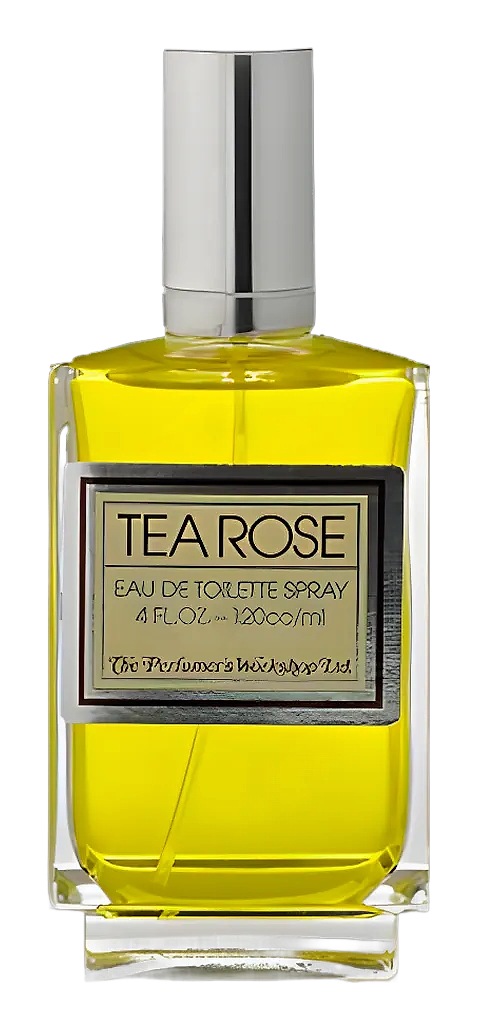
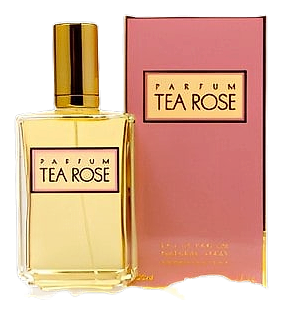
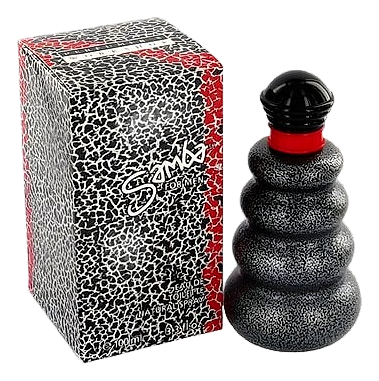
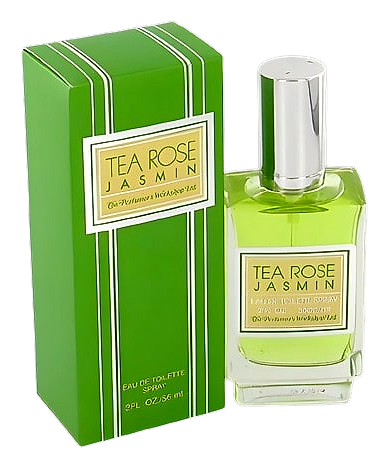
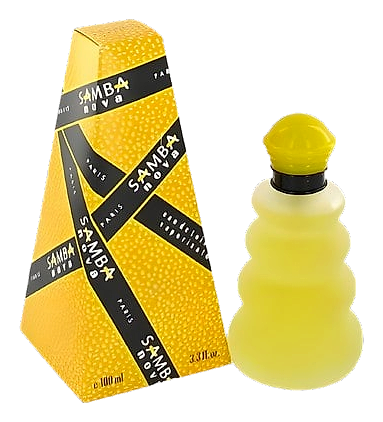
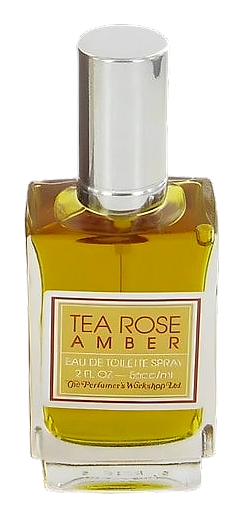
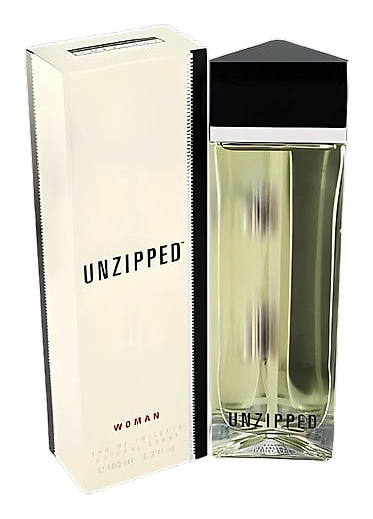
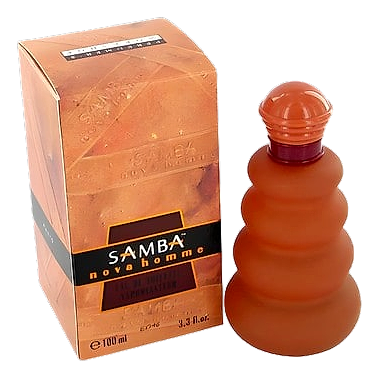
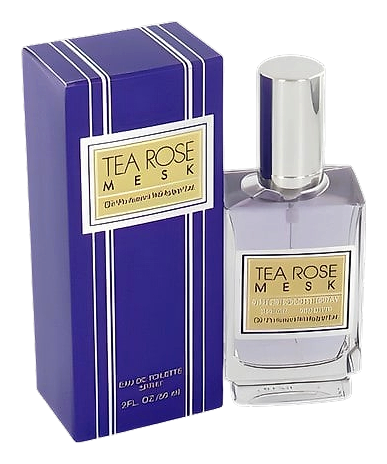
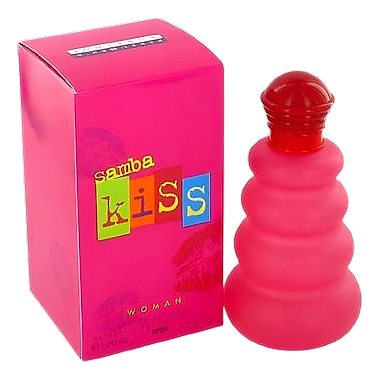
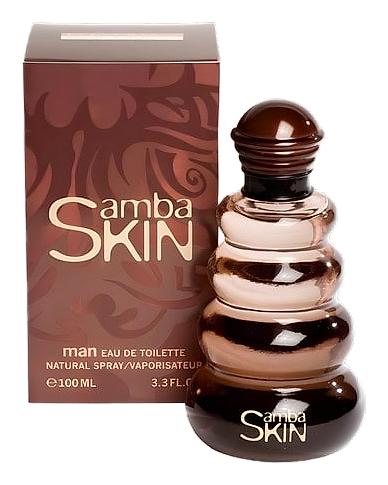
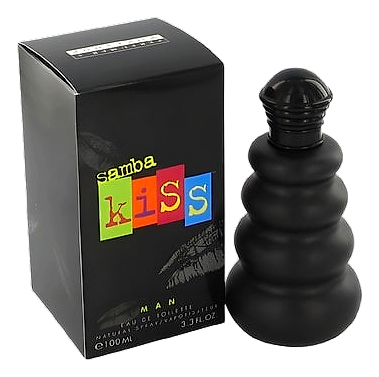
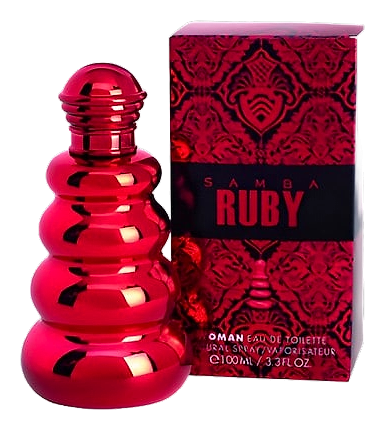
The Perfumer's Workshop was founded in 1970 by Donald and Gun Bauchner, a husband-and-wife team who introduced an innovative retail concept to the American fragrance market. Their vision took shape at Bloomingdale's in New York City, where they opened a counter dedicated to what they termed Personal Perfumery. This service allowed customers to commission custom-blended fragrances tailored to their individual preferences, a concept that was relatively novel in the retail environment of that era. Some sources cite 1973 as the establishment date, though multiple independent references point to 1970 as the founding year. The Bauchners leveraged their expertise to build a brand that operated at the intersection of luxury perfumery and accessible retail, positioning their counters as destinations for customers seeking something beyond mass-market offerings. Over subsequent decades, the house expanded its reach while maintaining the customization philosophy that characterized its origins. The brand later developed multiple fragrance lines, including the Samba series and the Zipped collection, which allowed customers to select from pre-formulated scents that nonetheless carried the house's signature approach. A notable creation, Tea Rose, launched in 1972 and reportedly achieved recognition as an iconic scent that helped establish the niche perfume industry in America. The brand's history reflects a consistent commitment to offering consumers choice and personalization at a time when the fragrance industry remained largely driven by designer collections. The Perfumer's Workshop operated on the principle that fragrance should be a personal expression rather than a predetermined purchase. This philosophy manifested in their Personal Perfumery concept, which positioned customers as collaborators in the scent creation process. Rather than simply selecting from a predetermined catalog, clients could specify concentrations, adjust note compositions, and create something unique to their preferences. This approach reflected a belief that luxury perfume could exist outside the traditional model of exclusive designer collections, making bespoke-quality scents accessible through a retail counter setting. The house maintained that fragrance enjoyment should be an individualized experience, rejecting the notion that consumers should accept mass-produced formulas without modification. Over time, this philosophy extended to their pre-formulated lines as well, where the brand offered distinct scent profiles across multiple collections, each with recognizable character rather than safe mainstream appeal.