The Story
Why it exists.
The beginning
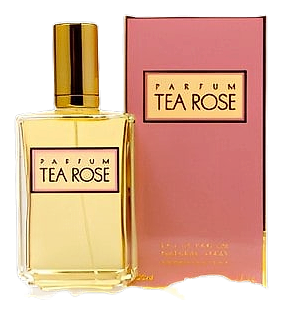
Perfumer's Workshop launched in New York in 1970, when Donald and Gun Bauchner opened their Personal Perfumery counter at Bloomingdale's. The idea was radical: customers didn't just choose a fragrance, they collaborated on it, adjusting concentrations and blending notes to their exact preferences. Fifty years of that conversation shaped the brand's instinct for what people actually want from a scent. Tea Rose EDP, released in 2014, was the direct answer to fifty years of requests. Not a new interpretation of rose. The rose they had been asking for all along.
Rose is a difficult material. It oxidizes quickly, behaves differently on every skin, and tends to vanish within an hour if not properly supported. Most fragrances use it as an accent, a top note whisper, a heart note gesture. Building a composition around it as the foundation requires materials that extend its arc without diluting it. Peony serves that purpose here, its soft, almost powdery quality creating a buffer that keeps the rose present rather than allowing it to spike and disappear. Chamomile adds a gentle herbal counterpoint that distinguishes this from sweeter rose interpretations, giving the heart a slightly medicinal clarity that keeps the whole composition honest rather than romantic.
The evolution
Peony and chamomile arrive together. The peony is soft, slightly powdery. The chamomile brings an herbal warmth that reads almost like tea, calm, morning, the cup you hold before the day starts. Neither announces itself. Together they create a cushion. Then the Bulgarian rose takes over. Not quietly. This is the center of the wheel, and the composition knows it. The green notes appear around the thirty-minute mark, not as a separate phase but as a deepening, geranium leaves and violet leaf adding a crispness that keeps the rose from becoming sweet. The drydown belongs to cedarwood. It arrives slowly, warm and clean, pulling the green notes into something woody and grounded. Violet leaf lingers as the cool final note, a slightly powdery, green whisper over a clean woody base. On skin, this lasts 8-10 hours. The projection is strong for the first two to three hours, then settles into something intimate and close. By the eighth hour, it's skin-warm rose with a faint cedar whisper. The kind of thing you catch on your wrist and lean into.
Cultural impact
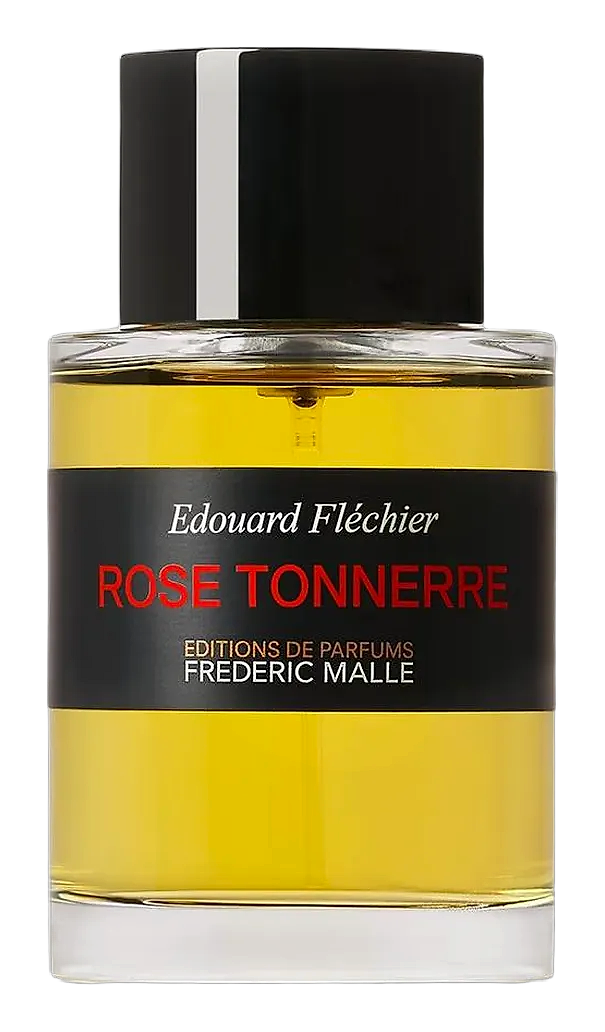
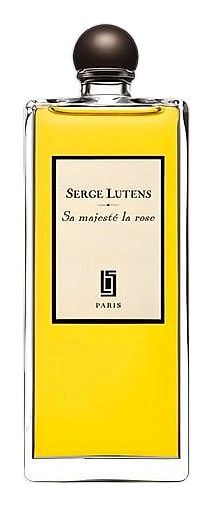
Tea Rose occupies a particular corner of the rose fragrance landscape. It sits alongside compositions like Serge Lutens' Sa majesté la rose (2003) and Frédéric Malle's Rose Tonnerre (2003), renowned for their uncompromising rose work. Tea Rose takes a different angle: more transparent, more green, more ozonic than those benchmarks. It's the fragrance people reach for when they've tried the obvious roses and want something that smells like the actual flower rather than the idea of one.