The Story
Why it exists.
The beginning
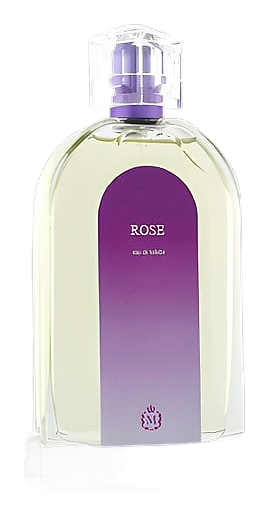
Les Fleurs Rose emerged from Molinard's deep familiarity with Grasse's native blossoms. By 1994, five generations of the family had spent their lives turning the region's flowers into scent, so when this fragrance arrived, it arrived with the weight of that knowledge behind it. The house wanted to do something different with rose. Not the Damask bomb of the classics, not the sugary rose that had become a shorthand for feminine. They reached for something cooler, something with structure. The solution was tea rose to open, a green and slightly astringent note that reads almost mineral before it softens. Bulgarian rose anchors the heart, rich and full-bodied. Cloves thread through the warmth with quiet spice. Woody notes hold the base, giving everything a frame that doesn't fade.
The Bulgarian rose is the real argument here. Less common than Turkish rose, it carries a deeper, more honeyed character that absorbs the clove without fighting it. The clove itself isn't loud, it's a warmth rather than a heat, the kind of spice you'd find in a spiced wine rather than a curry. Together, these materials create a rose that isn't delicate. It has presence. The woody base isn't decorative; it's structural, the scaffolding that keeps the floral from floating away into abstraction. This is rose that was built to last, not rose that was built to charm for twenty minutes and vanish.
The evolution
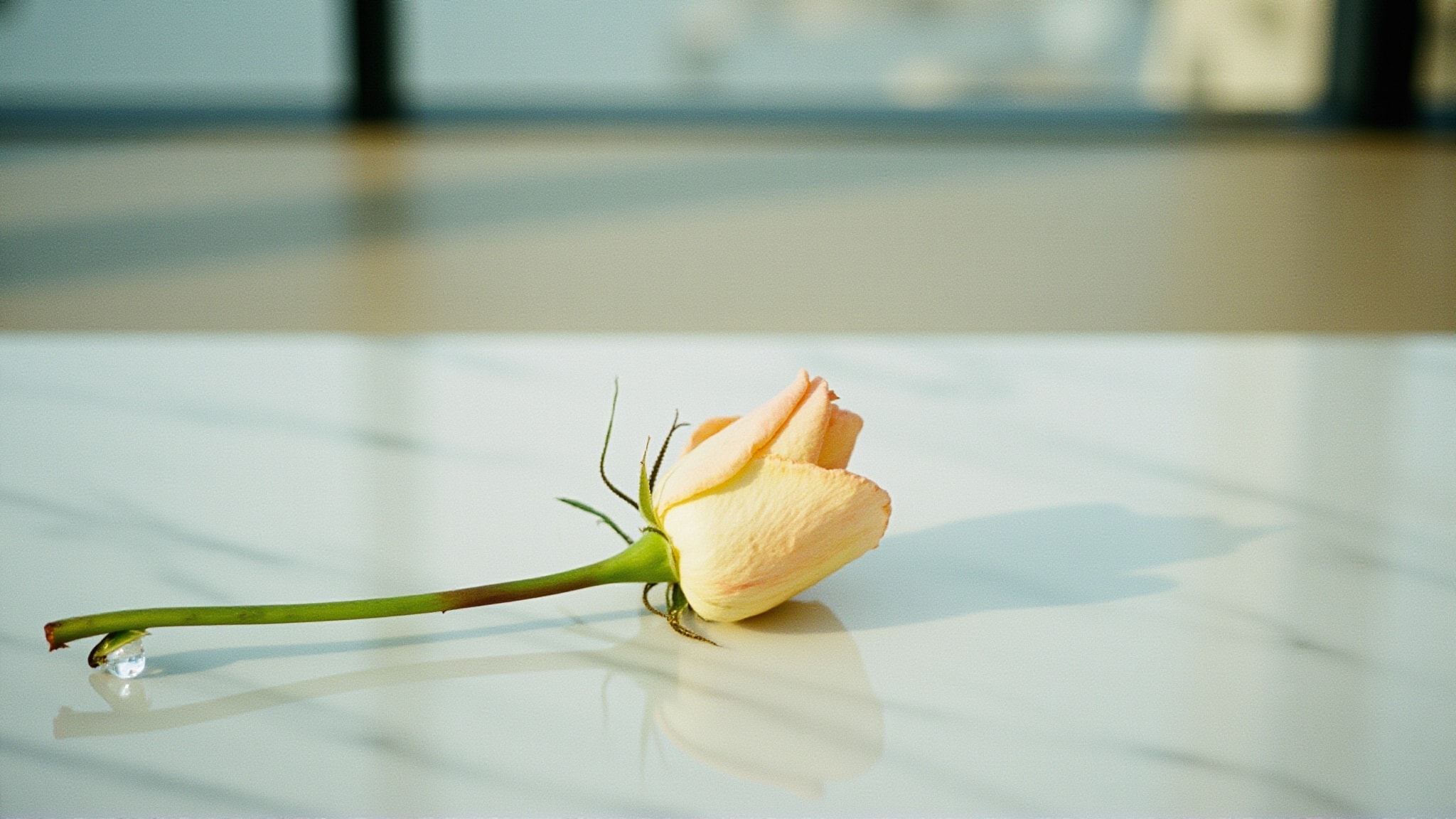
The opening is tea rose, green, dewy, the scent of stems cut in the morning with moisture still on them. Within minutes the character shifts as Bulgarian rose arrives, dark and honeyed, while clove adds a quiet warmth beneath the surface. By the mid-drydown the rose has softened but not disappeared, and the woody notes come forward, cedar and something vaguely sandalwood-like holding the whole thing in place. The final hours are intimate, close to the skin, and surprisingly long. Eight to ten hours on most skin types. It doesn't announce itself in the room. It doesn't need to.
Cultural impact
Les Fleurs Rose doesn't position itself against anything. Released in 1994, it arrived in a decade that loved its bold orientals and its aquatic cool. This is neither. It's a rose for people who find most roses too much, structured by tea rose, warmed by clove, grounded by wood. The audience is specific: someone who wants rose without the performance.