The Story
Why it exists.
The beginning
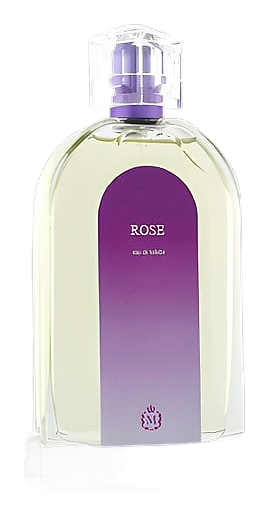
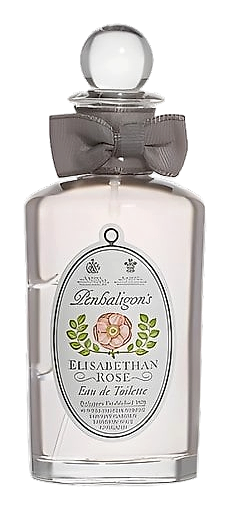
The name says everything. The Elizabethan rose, the Tudor emblem, England's flower, layered and geometric, bred for beauty and for battle. Penhaligon's perfumer Michael Pickthall built this fragrance around that symbol in 1984, translating a centuries-old emblem into something you could wear. The goal was not a sweet rose soliflore. It was a rose with structure, with green edges, with the kind of precision that Tudor gardens were famous for, hedges trimmed to perfection, nothing left to chance. Pickthall gave it aldehydes because aldehydes give height. They lift a fragrance above the soft and into the architectural. The result is a rose that stands rather than sprawls.
The aldehydic-geranium opening is the tell. Aldehydes were the secret weapon of mid-century perfumery, they add a metallic, almost waxy shimmer that makes florals feel luminous rather than heavy. Here, paired with geranium's green, herbal bite, they create an opening that reads sharp and fresh before the rose even arrives. Chamomile and violet in the heart add a powdery, slightly candied quality that softens the structure without making it sweet. This is not a rose that smells like petals. It smells like a garden in cool morning air, green stems, damp earth, the promise of blooms not yet open. Sandalwood and musk in the base keep it close to the skin, intimate rather than projecting, lasting for hours.
The evolution
The opening hits aldehydic and green, geranium's herbal bite cutting through a metallic shimmer that feels almost medicinal at first. It sharpens before it softens. Within twenty minutes, the rose enters. Not a blowsy, romantic rose, something more restrained, almost powdery, cushioned by chamomile and violet. The geranium doesn't disappear. It lingers at the edges, keeping the floral honest. By the second hour, the aldehydes fade and the true heart emerges: a clean, powdery rose that reads like expensive soap, like the kind of thing you'd find in a very specific kind of English hotel. The drydown is sandalwood and musk, warm and close, lasting into the evening on skin and well into the next day on fabric. Sprayed on a scarf at noon, traces remain by nightfall. This is vintage staying power, the kind of longevity that modern fragrances rarely bother with.
Cultural impact
Elisabethan Rose - Vintage represents a late entry into the aldehydic floral tradition that defined mid-century feminine perfumery. Released in 1984, it arrived as the aldehydic style was fading from mainstream popularity, making it something of a historical footnote, a deliberate homage to the grand florals of the 1950s and 60s. The Tudor rose inspiration reflects Penhaligon's longstanding engagement with British heritage and royal symbolism, positioning the fragrance as a cultural artifact rather than a contemporary trend. Its discontinuation speaks to the challenge of reviving vintage aesthetics in a market that had moved toward lighter, fresher compositions.