
The Story
Why it exists.
The beginning
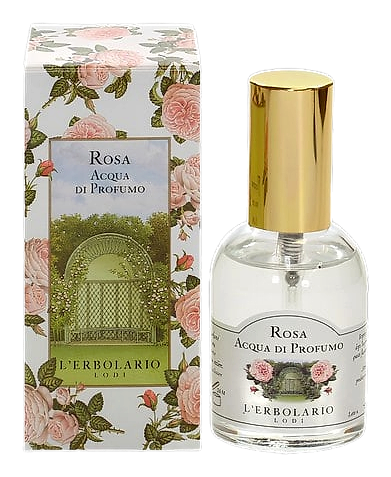
Rosa arrived with a straightforward premise: damask rose and white musk, a simple enough brief, but one that demands precision in execution. Too much musk and the rose disappears. Too little, and the composition feels thin. The balance here is the whole story. The fragrance presents rose in its most direct form, allowing the material to speak without embellishment. There's no layering with accords designed to signal a lifestyle or mood, and no bundling with heavier bases to lend drama. Instead, the perfume offers rose as rose, letting the natural character of the flower come through clearly.
The architecture follows a conventional progression: top, heart, base, and that structure serves the fragrance well. The damask rose sits at the center without competition. Jasmine supports it rather than sharing the stage. White musk closes the composition softly, adding warmth without weight. What emerges is rose that reads as rose, not abstracted, not amplified, not turned into a concept. Just the flower, plus the memory of the flower, plus skin warmth.
The evolution
The opening announces itself in geranium's cool, almost medicinal green. Violet adds powder. Freesia contributes a translucent sweetness, the kind that exists more as an impression than a distinct note. Twenty minutes in, the hand-off happens. Damask rose takes over. Not dramatically. There's no announcement, just a gradual shift from green-floral to pure rose. The jasmine arrives quietly, deepening the heart without competing. This is the core of the fragrance: a 2-3 hour phase where the composition is simply damask rose and jasmine, held close to the skin. Around the fourth hour, the flowers begin to recede. White musk remains, not loud, not particularly long-lasting, but present enough to suggest petals on warm skin the next morning.
Cultural impact
Rosa occupies a particular space in the fragrance world as a quiet rose soliflore, offering intimacy over announcement. The perfume aligns with Italian botanical houses that favor understatement over spectacle. Rather than competing with the more theatrical roses produced by larger houses, it offers something simpler and more direct.
The House
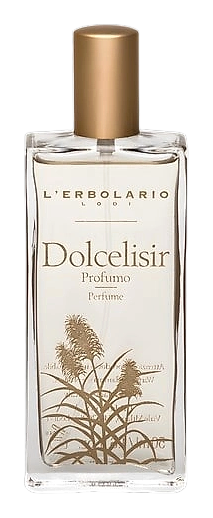
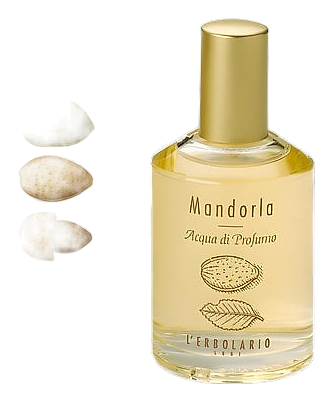
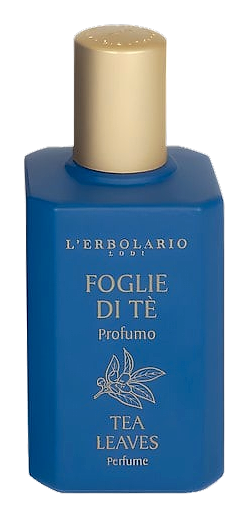
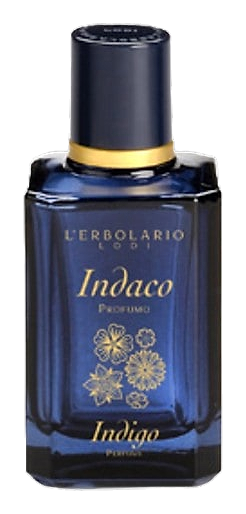
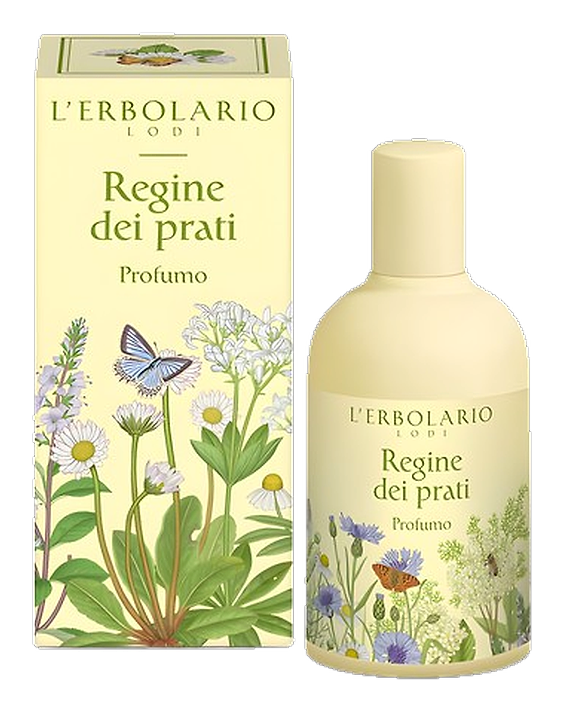
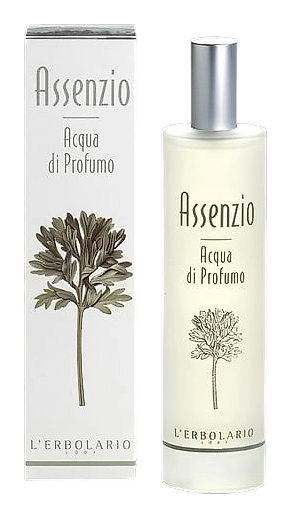
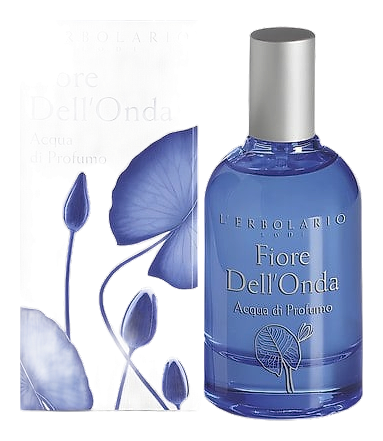
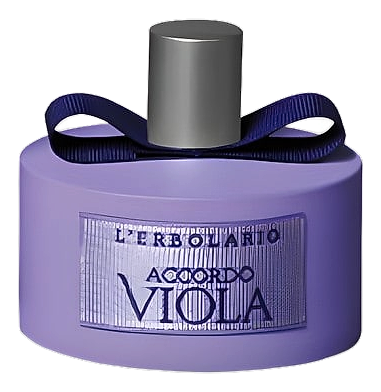
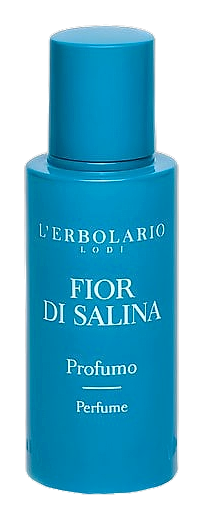
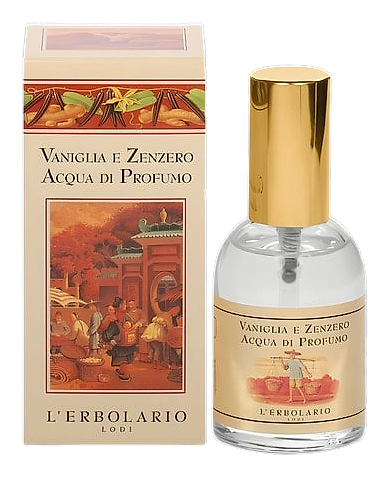
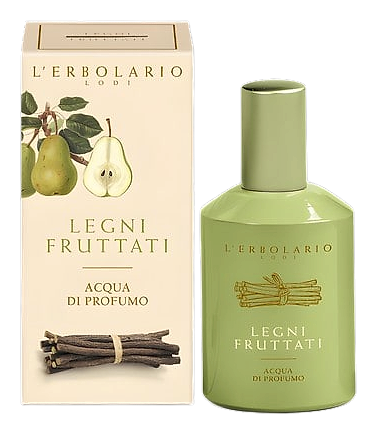
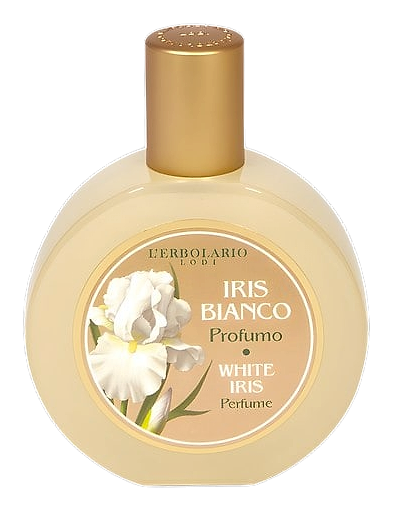
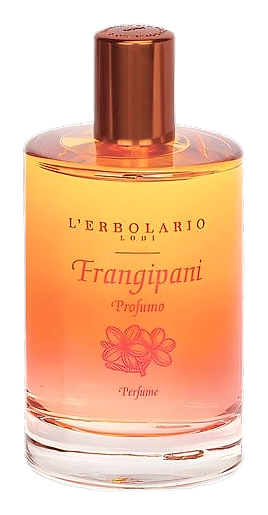
L'ErbolarioL'Erbolario is an Italian fragrance and body‑care house that grew out of a modest herbalist shop in Lodi. Since 1978 the brand has blended botanical extracts with contemporary scent design, offering perfumes such as Mirto, Vetiver de la Réunion, Spezie and the 2024 Narciso Sublime. Its catalog also includes limited‑edition releases like Dolcelisir 2023 and a range of skin‑care products that echo the same natural ethos. The company positions itself at the intersection of tradition and modernity, inviting scent lovers to explore Italy’s herbal heritage through scent and texture.
The Creator
Paolo CerizzaItalian sunshine runs through Cerizza's work, though never in a predictable way. He gravitates toward fresh materials with an almost architectural precision, building compositions that feel clean but never sparse.