The Story
Why it exists.
The beginning
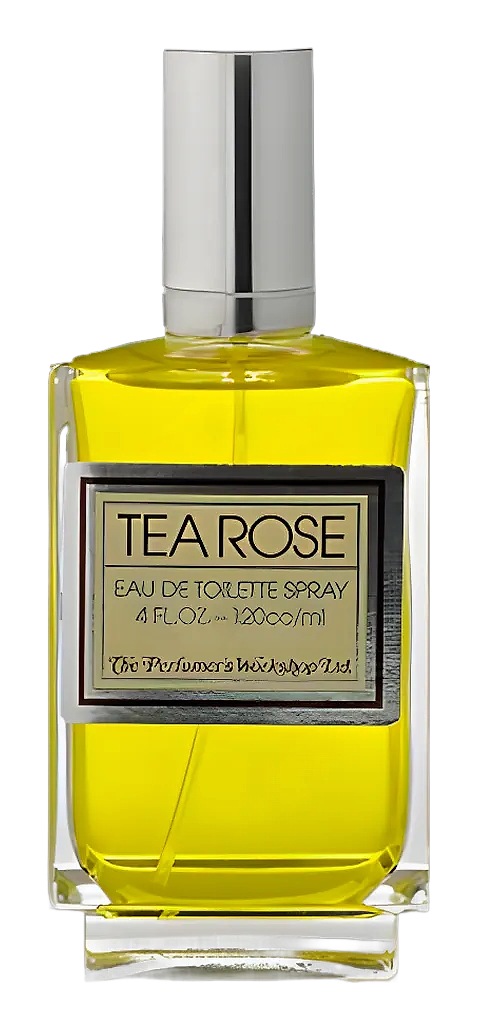
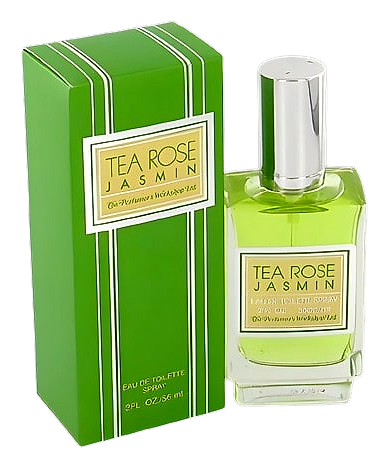
Perfumer's Workshop launched Personal Perfumery at Bloomingdale's in 1970, customers mixed their own scents at a counter, adjusting concentration and blend until something felt right. Tea Rose Jasmin emerged from that ethos: no gatekeeping, no pretense. A quality floral built for everyday wear, available to anyone who wanted it. It was fragrance as self-authorship, pick your notes, own your smell. The 1975 release put that philosophy into a bottle anyone could afford.
White florals and rose as a foundation, jasmine, tuberose, anchored by cedar, sandalwood, and amber. The pyramid is straightforward by design. What makes it interesting is the restraint: no avant-garde moves, no trying too hard. Just a clean, confident white floral that knows what it is. Executing this well is harder than it looks. A lesser perfumer would have layered in more complexity to seem sophisticated. This one didn't need to.
The evolution
The opening hits bright and dewy, lily of the valley lifting the rose, a fresh cut-stem quality that reads natural rather than perfumed. Within minutes, jasmine and tuberose arrive together, the white florals mingling until you can't separate them. The tuberose grows creamier as the heart opens, adding that characteristic lush density white florals bring. By the drydown, the florals stay prominent but the woods emerge, cedar, sandalwood, rosewood, wrapping the whole thing in warmth. The amber keeps it close to skin. What lasts is this: an intimate trail, present for 8-10 hours on most, that makes people lean in rather than step back.
Cultural impact
Tea Rose Jasmin represents the accessible luxury ethos Perfumer's Workshop built its name on. A quality floral without the gatekeeping, the democratic spirit of 1970s American retail translated into a bottle. It has stayed in production for decades, which says something about its reliability. Not a statement fragrance. Not trying to be. Just a floral that knows exactly what it is.