The Story
Why it exists.
The beginning
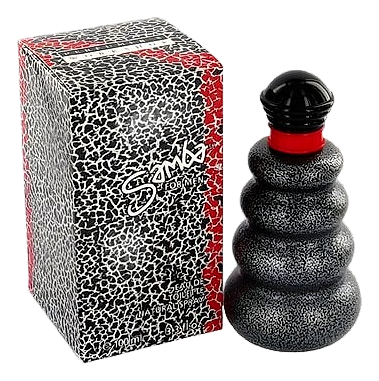
The name says everything. Samba for Men arrived in 1990 carrying the energy of something liberated, a fragrance built on the idea that self-expression shouldn't require a prescription. Perfumer's Workshop had spent two decades letting customers mix their own scents at department store counters, and Samba was the house's answer to men who wanted something that felt personal rather than predetermined. Not a statement fragrance. A chosen one.
What makes this composition worth noting is the way it handles lavender, a note that can read as medicinal or old-fashioned when handled carelessly. Here, it's set against bergamot from the first breath, which keeps the herbs bright and citrus-adjacent rather than sharp. The freesia in the heart is unusual for a 1990s masculine; it's a flower that smells clean and slightly sweet without being feminine, and it bridges the gap between the herbaceous opening and the woody base. The result is a fragrance that moves through phases without losing coherence.
The evolution
The bergamot arrives first, punching through for about twenty minutes before the lavender takes command. That's the phase people remember, herbal, bright, a little bit showy. Then the florals build. Freesia and ylang-ylang soften the composition into something warmer and more powdery, and the cedar begins to assert itself. By the second hour, the florals have settled and the base does the talking. Cedar and musk create a drydown that's intimate, close to the skin, lasting through the afternoon on most people.
Cultural impact
Samba for Men arrived at a moment when American consumers were developing a taste for scent as self-expression rather than status signaling. The 1990s masculine market was dominated by powerhouse fougères and aquatic launches, but Perfumer's Workshop occupied different territory, accessible without being lowest-common-denominator, personal without being challenging. The lavender-forward profile positioned it as an alternative to both the aggressivePATCHOUlis of the decade and the safe aquatic launches that would flood the mid-90s. What it offered was a fragrance that felt chosen rather than prescribed, which is exactly what the brand's counter-culture personalization ethos had been promising since 1970.