The Story
Why it exists.
The beginning
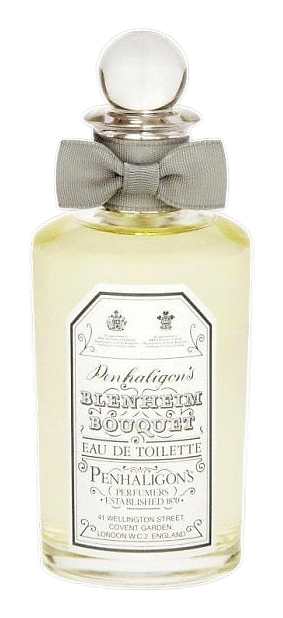
Walter Penhaligon composed this in 1902, and the fragrance has barely flinched since. Named for Blenheim Palace, the ancestral seat of the Dukes of Marlborough, it was designed personally for the Duke himself. The composition strips away the traditional heart note phase entirely, leaving every element to read as either an opening gesture or a base note. Lime, lemon, and lavender carry the brightness, a clean citrus-lavender accord that announces itself without shouting. Pine and black pepper provide the structural support, the spine that keeps the composition from drifting into simple cologne territory. Musk rounds out the base, quiet and persistent, giving the drydown a soft finish rather than a sharp exit.
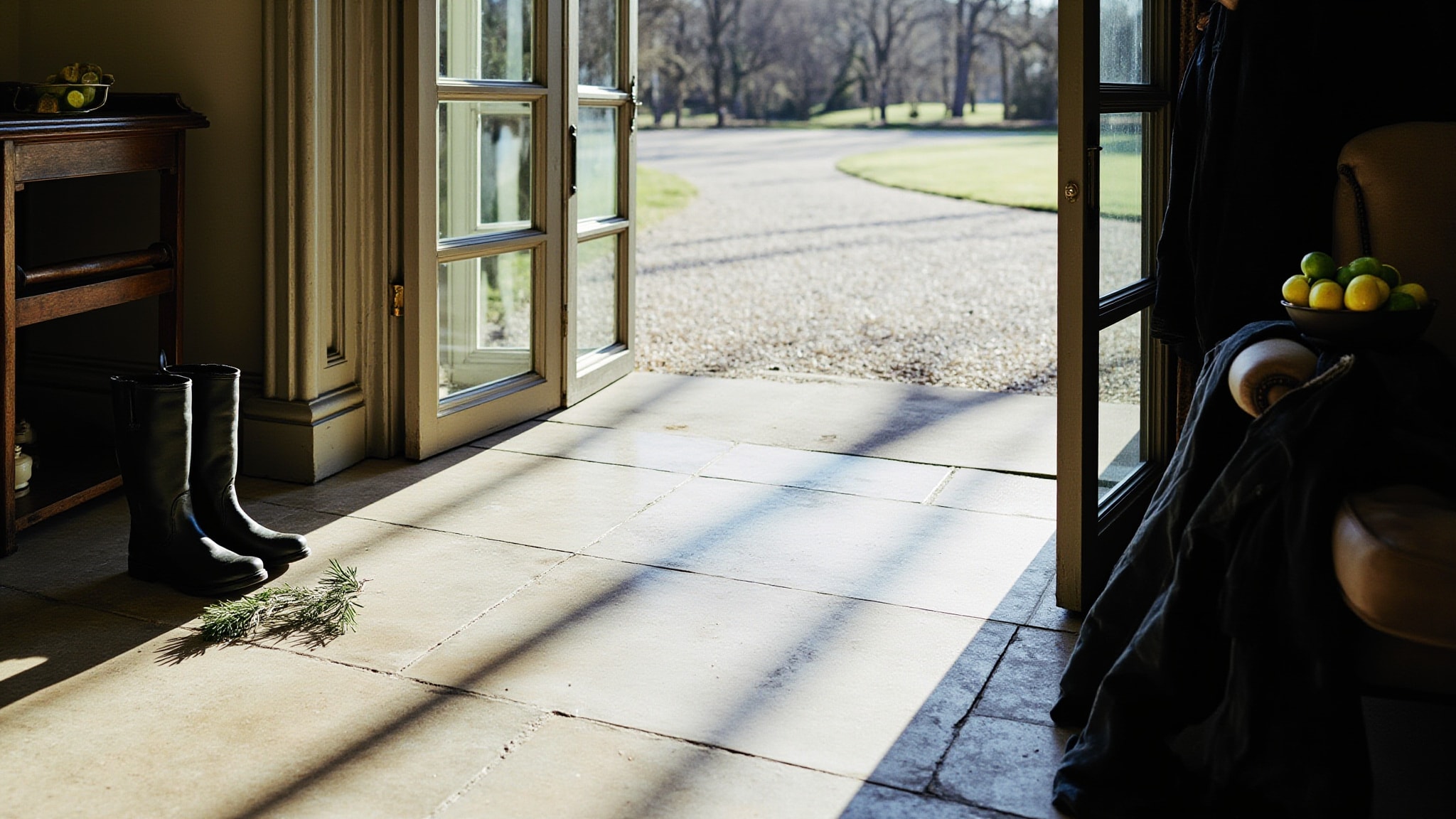
What makes the structure unusual is the absence of a true heart phase. Most compositions move through a recognizable middle stage where florals or richer accords take over before settling into the base. Blenheim Bouquet skips that step entirely, letting the citrus run straight into the wood without mediation. The result is something that smells less like a constructed perfume and more like a place: the clean, resinous air of an English estate on an overcast morning, pine and stone and a hint of lavender carried on damp air.
The evolution
Lime and lemon crack open sharp and bright, almost effervescent, with lavender threading through to keep it from reading as a pure citrus cologne. Black pepper shows up early, not as heat but as a dry, dusty edge, like pepper ground over a wooden board. Then the pine arrives, and it stays. It outlives the citrus, outlives the lavender, and becomes the actual character of the drydown. What remains after several hours is a clean, slightly resinous musk with pine still flickering underneath, the warmth of the wood gradually softening into the softness of the musk. On fabric, the trail lingers longer than on skin, and you can catch a ghost of it hours later, dry and woody, the pine finally giving way to something closer to skin scent than cologne.
Cultural impact
Blenheim Bouquet is one of those rare fragrances that has stayed in continuous production since 1902. It earns its longevity through a clarity of composition that doesn't chase trends or reinvent itself for modern tastes. The fragrance holds its place in the lineage of English perfumery, alongside other historical men's scents that prioritize clean structure over decorative complexity. Its profile is famously lean, with a citrus opening that moves quickly into pine and a soft musk base, the kind of composition that reads as grooming rather than adornment.