The Story
Why it exists.
The beginning
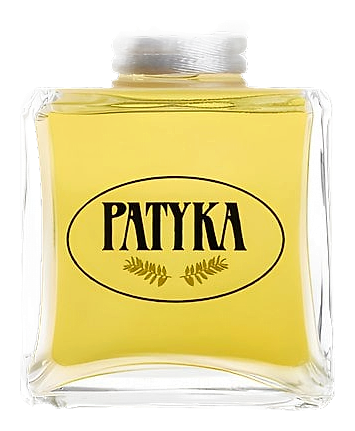
Boisé landed in 2009 as part of Patyka's debut quartet of natural eaux de parfum, released alongside Hesperide, Chypre, and Ambre. The brand approached fragrance the way it approached skincare: every aromatic material sourced from botanical or naturally derived origins, no synthetic components, no silicon, no petroleum, no sulfates. Under that charter, Boisé had no room for the engineered aromachemicals that usually make woody scents feel smooth and seamless. It had to be built from real aromatic material, raw and unmediated. The name itself is the brief. Boisé means woody in French, but here it's less a descriptor and more a thesis: what does wood smell like when nothing in the bottle is pretending to be wood except actual wood? That question hangs over every choice in the formula.
Patyka's natural charter meant the composition had to work with botanical aromatics rather than replace them with cleaner lab-made analogues. That's the core constraint, and it shapes everything about how Boisé behaves in the bottle and on the skin. Without synthetic cedar replacements or reconstructed pine accords to lean on, the perfumer has to coax structure out of materials that don't normally cooperate in a formula. You can feel that negotiation in the way the woods layer. The cedar isn't introduced once and allowed to recede.
The evolution
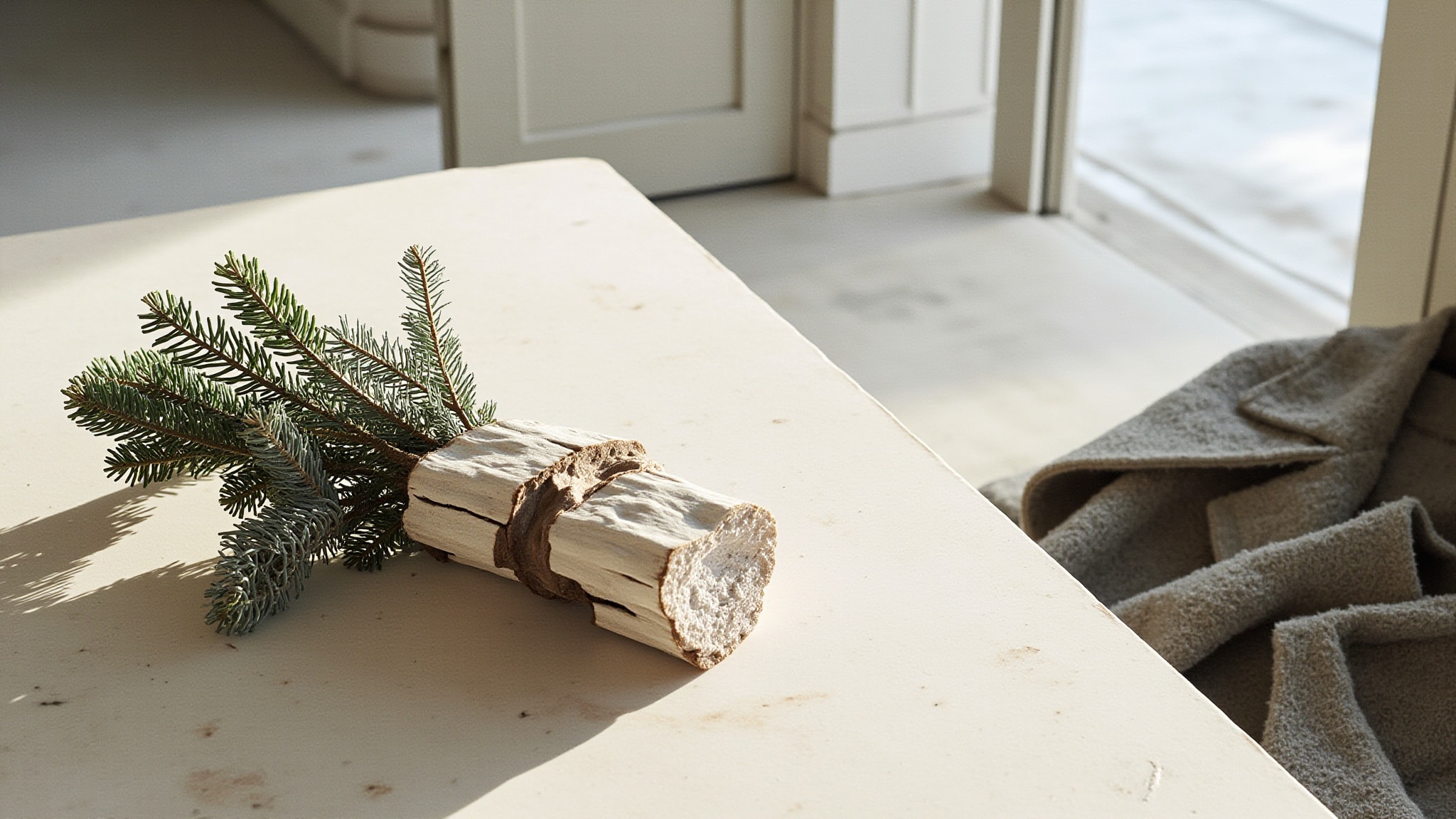
The opening is sharp and almost medicinal, fir and stone pine bark reading green and resinous from the first spray. It feels less like wearing fragrance and more like standing in a stand of conifers after rain, the air cold in the back of your throat. There's a faint camphorous edge that some wearers describe as clearing the sinuses, a clean astringency that sits just behind the more obvious green-needle impression. The first minutes are the loudest the fragrance ever gets, and even at full volume it's a quiet loudness, the kind that announces itself to your nose before anyone else in the room. As the cedarwood rounds in, the composition shifts from green-needle brightness to something drier, warmer, more architectural. The pine settles into a base role, no longer the lead player, just holding the walls up.
Cultural impact
Boisé occupies an unusual niche: a natural-perfumer's woody that doesn't apologize for being one. Where most conifer fragrances add sweetness or synthetic smoothness to make the genre wearable, Boisé commits to the raw material and trusts the wearer to follow. It appeals to a specific kind of fragrance enthusiast, the one who values ingredient transparency over polish and who reads a brand's formulation charter before reading its marketing copy. That audience is small and deliberate. Boisé isn't built to appeal to everyone, and it doesn't try.