Stone Pine Bark
Stone pine bark releases a resinous whisper of sun-warmed forests, layering dry woody warmth with bright citrus-edged terpenes. Italian perfumers have prized it for centuries.
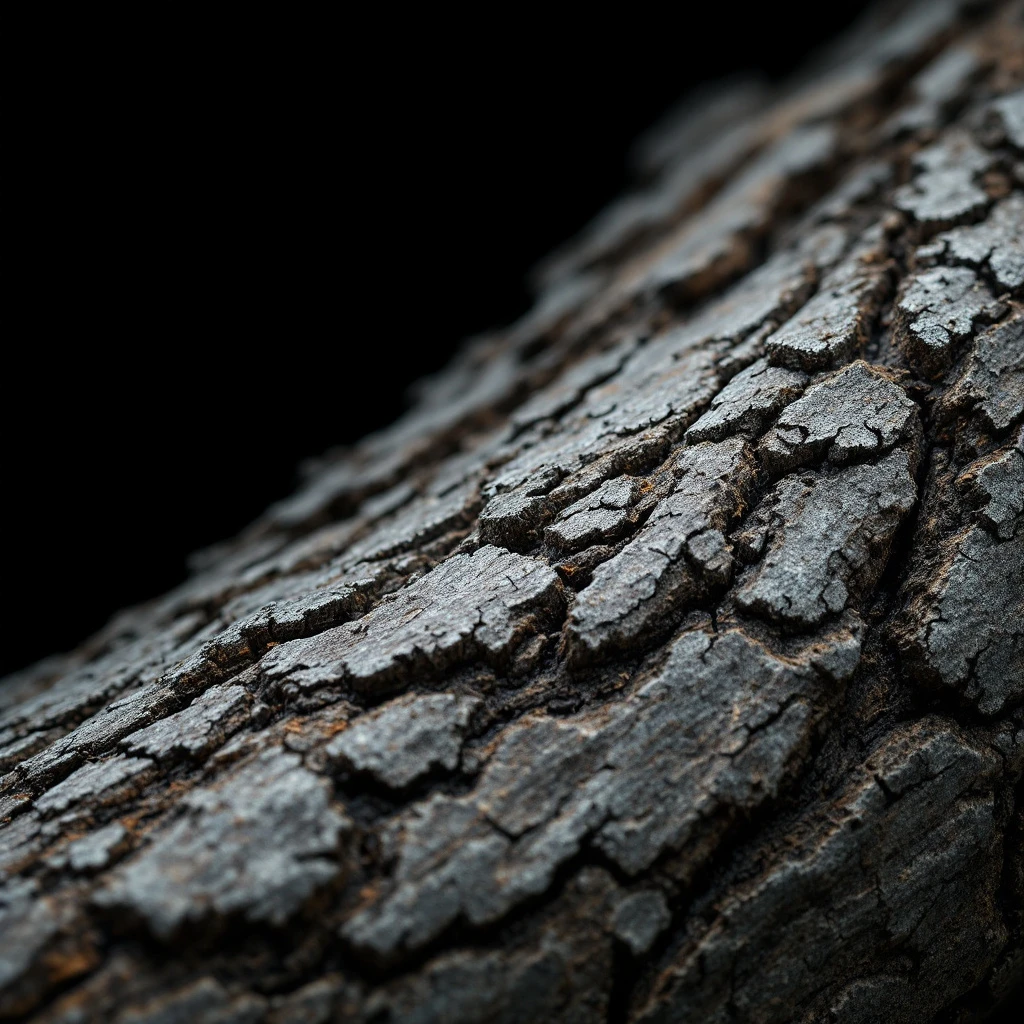
Character
How it smells
Sun-baked bark carrying the scent of Mediterranean pine groves
Italian stone pine's distinctive fragrance derives almost entirely from limonene, the same molecule found in lemon peel, a rare case of citrus character living inside a tree.
Pairs beautifully with

Origin
Italy
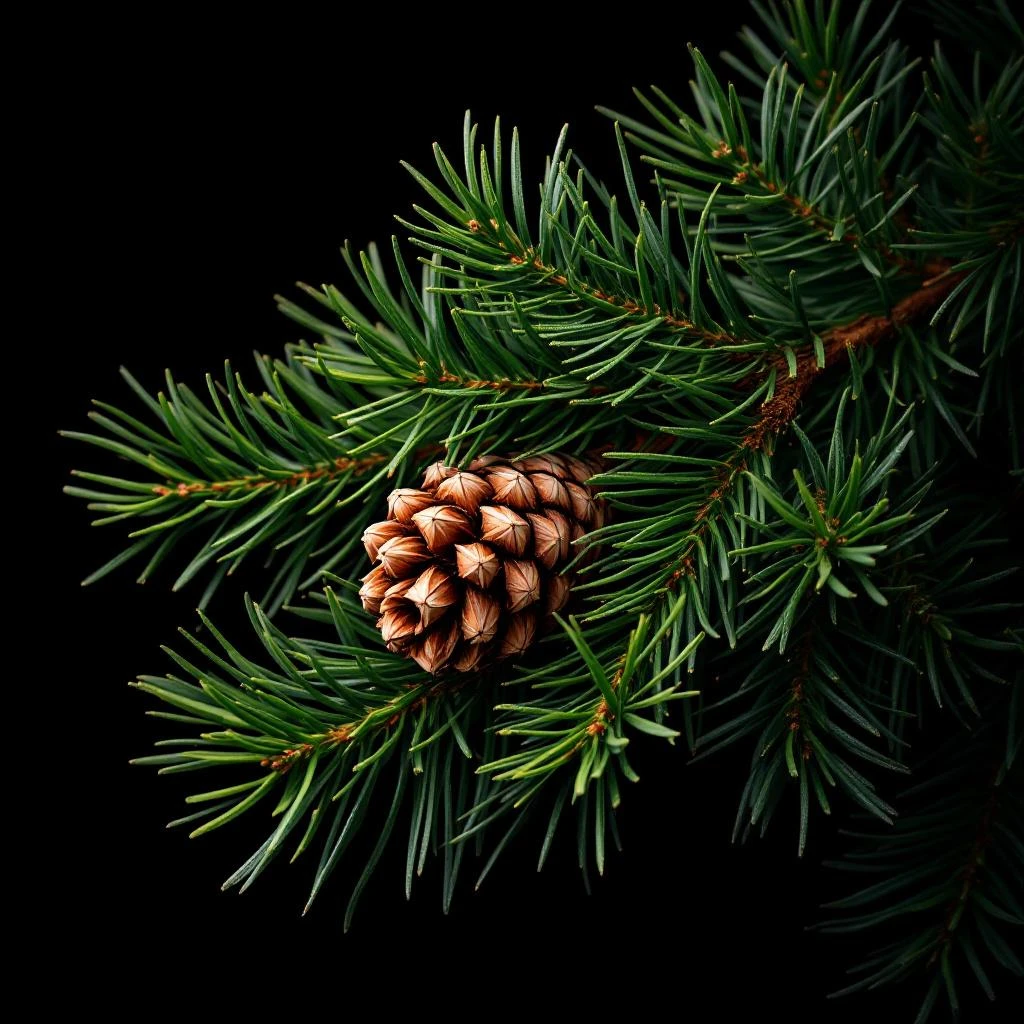
Stone pine, known botanically as Pinus pinea, has shaped Mediterranean landscapes and livelihoods since antiquity. The Phoenicians and early Greeks harvested its edible seeds, while Greek physicians like Dioscorides documented resinous pine preparations for both medicine and ritual burning.
By the Roman era, pine resins featured prominently in incense blends, oils, and early unguents, valued as much for their preserving qualities as their scent. Through the medieval period, Italian apothecaries in Tuscany and Liguria distilled local stone pine for respiratory remedies and ceremonial pastes.
Renaissance perfumers in Florence began incorporating these same distillates into early botanical colognes, establishing a regional tradition that continues today. The trees still dot coastal Italy, Spain, and Portugal, with plantations managed across generations for both nut harvest and resin tapping.
Wears it best
Fragrances featuring Stone Pine Bark
Brands
Brands known for Stone Pine Bark
Good to know
Questions, answered
The essentials on Stone Pine Bark in perfumery: how it smells, where it comes from, and how it behaves on skin.
What does stone pine bark smell like in perfume?
Stone pine bark contributes a dry, resinous woodiness layered with subtle citrus brightness. The dominant molecule, limonene, lends a clean, almost lemony lift beneath the deeper terpene backbone, a profile that conjures sunlit Mediterranean groves rather than dense evergreen forests.
How is stone pine bark essential oil produced?
Harvesters cut shallow incisions into the bark to collect the exuded oleoresin, which then undergoes steam distillation. This heat-and-steam process separates the volatile aromatic compounds from the heavier resinous material, producing a concentrated essential oil.
Is stone pine bark sustainable to harvest?
When managed properly, bark tapping is sustainable because trees survive the process and continue producing resin for decades. Mediterranean stone pine forests are often managed across multiple generations, balancing nut harvest, resin collection, and landscape conservation.
Where does stone pine bark come from?
The primary source is Italy, particularly Tuscany and other coastal regions where Pinus pinea groves have grown for centuries. Additional cultivation occurs in Spain, Portugal, and parts of Turkey, all sharing similar Mediterranean climates.
What is the difference between stone pine and Scots pine?
Stone pine (Pinus pinea) produces a brighter, more limonene-forward profile with softer resinous character. Scots pine (Pinus sylvestris) leans sharper and more medicinal, with stronger camphoraceous and turpentine-like notes typical of northern latitudes.
Can stone pine bark be used in natural perfumery?
Yes, it qualifies as a natural perfumery ingredient when steam-distilled without synthetic additives. It appears frequently in artisan compositions aiming for botanical, forest-inspired, or Mediterranean accords built entirely from plant-derived materials.
What fragrances commonly feature stone pine bark?
Stone pine bark appears in woody, aromatic, and fougère-style compositions where perfumers seek a warm, dry Mediterranean woods note. It pairs naturally with cypress, rosemary, labdanum, and citrus materials in regional Italian and Mediterranean-inspired blends.
Does stone pine bark contain limonene?
Yes, and unusually so. Italian stone pine's fragrance derives almost entirely from limonene, the same terpene found in lemon and orange peel. This high limonene concentration gives the bark a brighter, cleaner character than most coniferous materials.



