The Story
Why it exists.
The beginning
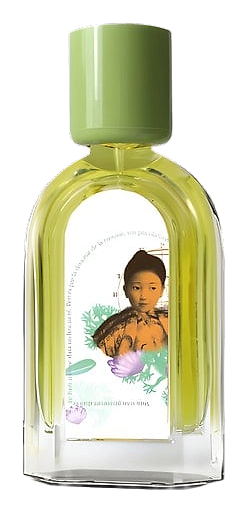
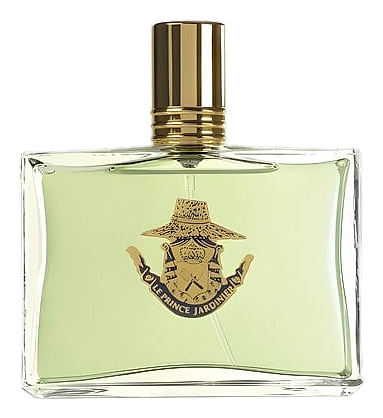
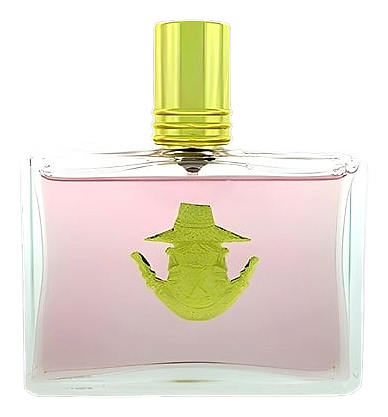
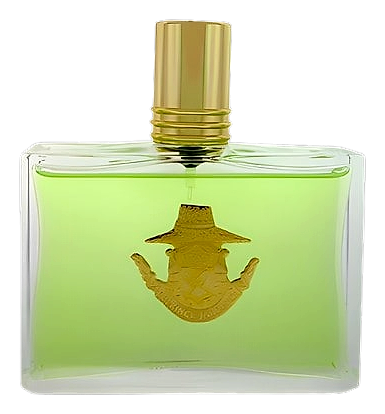
Pierre Bourdon designed Arboretum in 1995 as a study in restraint. The composition relies on just three materials, coriander at the opening, pine tree at the heart, oakmoss in the base. The name itself is a statement: an arboretum is a curated collection of trees, a garden built for contemplation rather than spectacle. The fragrance captures the essential smell of nature distilled into something wearable. The coriander opens with a clean, green brightness that feels almost medicinal in its clarity. The pine tree settles in as the dominant note, bringing a cool, forest stillness. The oakmoss grounds everything, adding deep resonance that echoes the quiet of a woodland path. Three ingredients. One coherent world.
The sparse note pyramid isn't a compromise, it's the composition. Coriander seed carries a green, almost medicinal brightness that stands alone in the opening phase. Here it reads sharp and aromatic before yielding to the heart. Pine tree in the heart phase arrives not as a Christmas-tree cartoon but as cool, slightly resinous air, the scent of standing among conifers where the light filters green and low. Oakmoss anchors everything that follows, providing the earthy base that keeps the composition grounded long after the brighter notes fade.
The evolution
The coriander arrives first, a bright, green burst that reads almost soapy at first contact. The sharpness settles as time passes, and the pine begins to push through, cooler now, carrying a quality that feels like stillness among trees. This is the heart of the fragrance: a long, conifer-forward middle that doesn't rush. The oakmoss arrives gradually, never abruptly, softening the pine's edges and adding a mossy earthiness that stays close to the skin. Moderate sillage throughout. The drydown is where oakmoss owns it, a quiet, intimate finish that lingers long after the brighter notes have receded, close enough that only the wearer notices by the end.
Cultural impact
Arboretum has earned a quiet reputation among fragrance wearers who prefer character over complexity. Its three-note simplicity sets it apart from fuller compositions that require more space to breathe. The community values its restraint, a fragrance that doesn't announce itself but rewards the wearer who stays with it. Its evergreen popularity among those who've found it speaks to something the sparse structure achieves: a coherent forest mood that doesn't need elaboration to work. Those who discover it tend to return, finding in its simplicity something that more ambitious fragrances miss.
The House
Le Prince JardinierLe Prince Jardinier is a French lifestyle brand founded by Louis Albert de Broglie in 1995, rooted in the art of living inspired by gardens. The brand began as a gardening and outdoor living concept, offering clothing, tools, garden furniture, and decorative objects. Its perfumery line extends this philosophy into wearable scent, capturing botanical and garden-inspired olfactive experiences. The brand operates as part of Deyrolle SAS, connecting it to a lineage of natural history and nature appreciation in French culture. Le Prince Jardinier bridges the cultivated garden with everyday life, translating horticultural beauty into multiple expressions including fragrance.
The Creator
Pierre BourdonBourdon's signature lies in clarity and restraint. He favors transparency in composition, building fragrances that breathe rather than overwhelm.