The Story
Why it exists.
The beginning
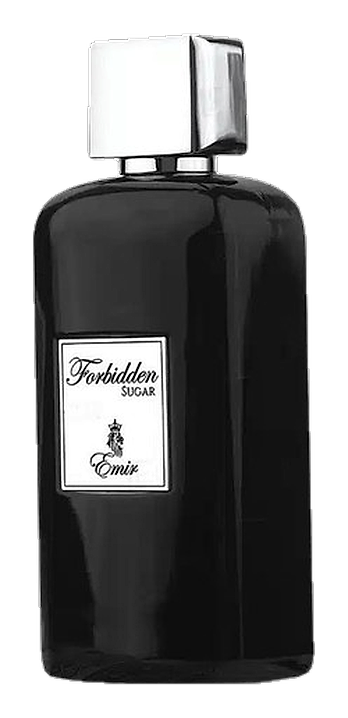
Forbidden Sugar started as a single question: what does indulgence taste like when you stop resisting it? PARIS CORNER built its reputation on accessible luxury, quality that doesn't demand a second mortgage. But this one goes further. It's not just affordable. It asks whether sweetness itself has been unfairly demonized. The Emir collection already had range. Extrait concentration. Real presence. Forbidden Sugar simply said: what if the restraint was the mistake all along?
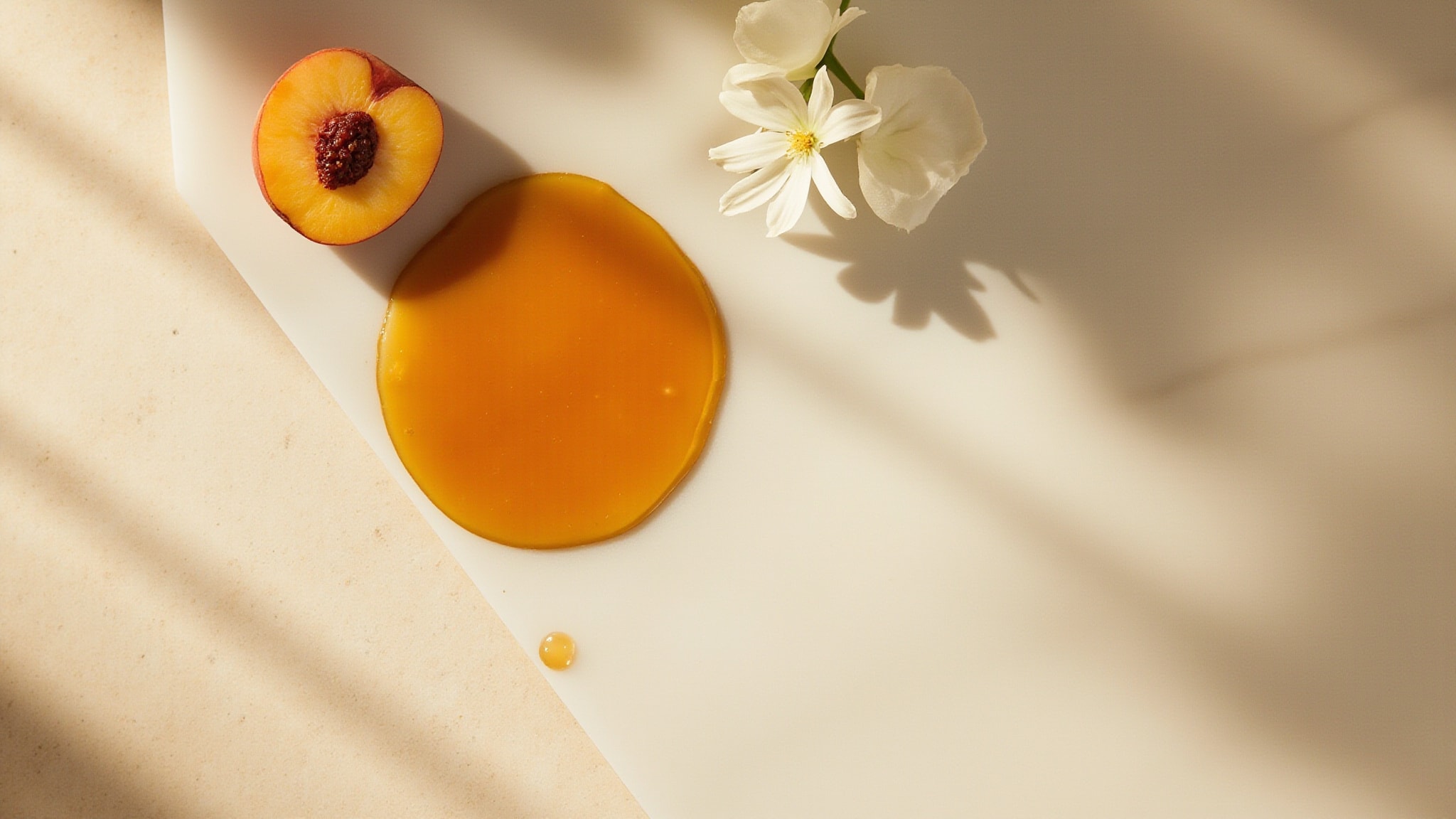
The structure here is what separates this from a standard gourmand. Honey and caramel could easily slide into syrup. That's where blackcurrant earns its place, tart, almost jammy, it cuts through the sweetness like a door thrown open in a room that's been closed too long. Then jasmine and orange blossom add a layer of complexity that rewards patience. It's not just sweet. It's sweet with a conscience, aware of what it is and entirely unbothered by that.
The evolution
The opening hits fast, coconut cream and bergamot zing bright for about ten minutes, then the honey and marshmallow take the stage and don't let go. The heart is where this fragrance lives longest: vanilla and caramel settle into something warm and edible that holds for two to three hours on most skin types. The drydown is the real test. White musk and violet create a powdery finish that stays close, intimate, lingering, the kind of thing someone notices when you're already gone. On fabric, it can carry into the next day.
Cultural impact
Forbidden Sugar lives in the space where gourmand perfumery gets interesting. The honey-marshmallow combination has become its signature, the reason people stop and ask what it is. It sits comfortably in fall and winter wear, in evening settings, in the kind of moments where sweetness reads as confidence rather than apology. What separates it from the crowd is the blackcurrant, that tart undercurrent that keeps the sweetness honest.