The Story
Why it exists.
The beginning
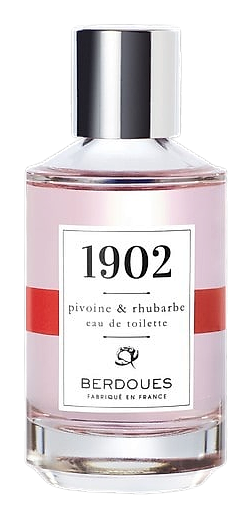
Ane Ayo created Pivoine & Rhubarbe for Berdoues in 2017, anchoring the house's 1902 heritage in something unmistakably contemporary. The brief was simple: French floral tradition, but with a sharp edge. Rhubarb provided that edge, not a common opening in French perfumery, where bergamot and citrus typically claim the first hour. Peony and magnolia arrived to soften the proposition, offering the classicism Berdoues is known for, but in a pairing that felt fresh rather than reverential.
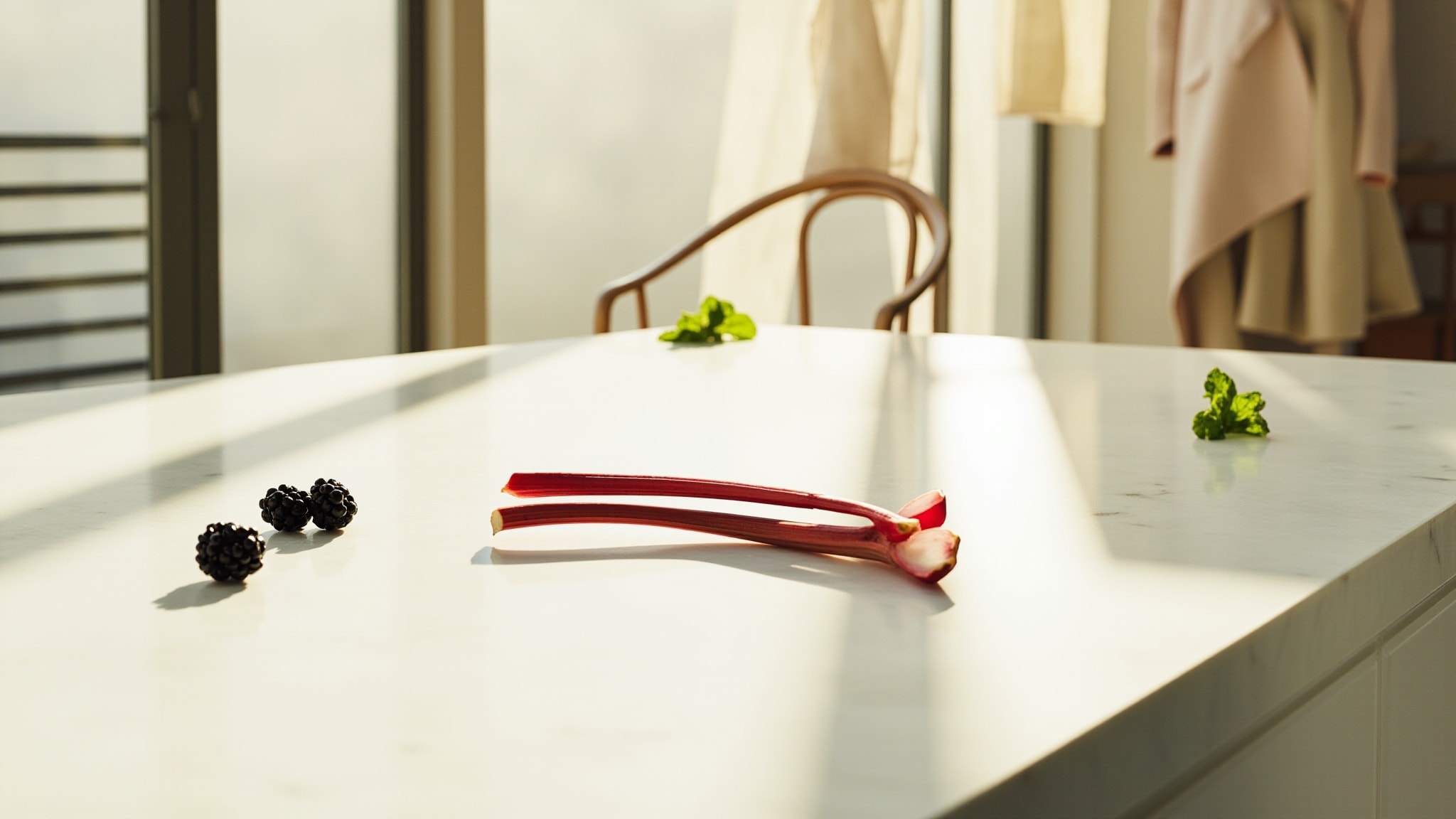
What makes this composition work is the counterpoint between rhubarb's vegetal tartness and the velvet of peony. Rhubarb is difficult, it can read medicinal, almost candied, if the balance tips wrong. Here it's held in check by blackcurrant and lychee's natural sweetness, creating an opening that's bright without being aggressive. The heart of peony and magnolia doesn't fight the acidity; it responds to it, the way a garden responds to rain, everything just looks more alive afterward.
The evolution
The opening lasts about twenty minutes, rhubarb's sharpness dominating, blackcurrant adding a jammy undertone, grapefruit lifting everything with a burst of citrus. Then the hand-off begins. Peony emerges first, soft and slightly sweet, followed by magnolia's creaminess. Rose is quieter here, more of a supporter than a lead. By the second hour, the florals have fully bloomed and the tartness has faded to memory. Amber arrives late, wrapping around cedar for a base that's warm without being heavy. On skin, expect 4-6 hours. On fabric, closer to eight, the drydown lingers like the last guest who doesn't want to leave the garden party.
Cultural impact
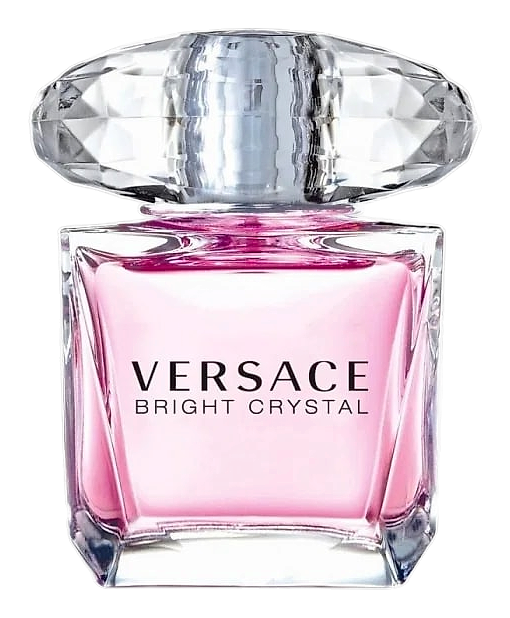
Pivoine & Rhubarbe arrived in 2017 as part of Berdoues' effort to modernize without abandoning its Parisian roots. The fragrance sits comfortably in the fresh-floral category, the same territory as Delina and Bright Crystal, but rhubarb gives it a point of view those peers lack. Wearers consistently describe it as the scent of someone who knows what they want but doesn't need to announce it. Spring and summer dominate the usage data, with occasional fall appearances when the weather refuses to cooperate.