The Story
Why it exists.
The beginning
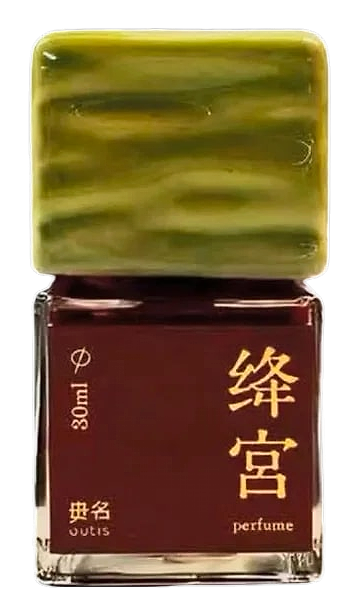
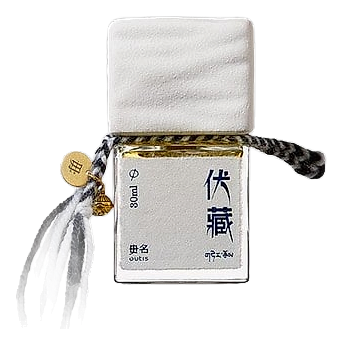
Fu Zang arrived in 2026 as part of Outis's Primordial Pureness Tibetan Series. Wei Bai composed the fragrance, pairing juniper berries and borneol for a clean, wintry opening with jasmine and wisteria, whose white floral air softens the composition. Beneath them, myrrh, styrax, and sandalwood gather the scent into a warm resinous base. The opening feels fresh and sharply defined, with juniper's berry-like brightness held in check by borneol's cool, camphor-like character. Immortelle adds a dry herbal warmth, keeping the freshness from seeming stark. As jasmine and wisteria unfold, the scent gains a pale floral lift without losing its woody structure. The resins then deepen, lending myrrh a balsamic darkness, styrax a dark sweetness, and sandalwood a smooth, creamy warmth.
The interesting part is the handoff between freshness and ritual. Borneol and juniper berries create a cool, almost medicinal brightness, but jasmine and wisteria keep that clarity from becoming sterile. Their pale floral character introduces softness without losing the composition's sense of inner space. Then the base changes the temperature completely: myrrh brings balsamic gravity, styrax adds a dark resinous sweetness, and sandalwood leaves a smooth woody trace. The result is a study in contrasts, warm yet cool and floral yet masculine, without needing extra ingredients to explain its complexity.
The evolution
The first impression is crisp and mineral, with juniper berries cutting through the air while borneol gives the opening a clean, camphor-like chill. Immortelle adds a dry herbal warmth that keeps the brightness from becoming cold. As that opening loosens, jasmine and wisteria arrive like pale light, carrying a soft floral tension across the center. Their creamy softness meets the woody snap of juniper before the composition turns downward into myrrh, styrax, and sandalwood. Resins gather, sweetness turns deeper, and the woody base settles close against the skin. Myrrh contributes a faintly bitter, balsamic depth, while styrax introduces a darker sweetness with a smooth resinous texture. Sandalwood rounds these sharper facets, leaving the scent polished and gently creamy rather than stark. Styrax remains a defining part of the impression beneath the smoother sandalwood.
Cultural impact
Fu Zang belongs to Outis's Primordial Pureness Tibetan Series. Its unisex appeal comes from the balance of its aromatic materials: cool juniper and borneol meet floral jasmine and wisteria, then settle into incense-like woods and resins. The opening is vivid and mineral, softened by immortelle's dry herbs and the creamy floral heart. As the composition develops, myrrh brings balsamic depth, styrax adds dark sweetness, and sandalwood gives the base a smooth finish. Wearers who prefer contemplative fragrances with a ceremonial pulse will find a natural point of entry here.
The House
Outis 毋名Outis 毋名 is a Chinese fragrance house where Eastern mysticism meets perfumery. Born from the idea that everything already holds its own completeness, the brand weaves natural energy, astrological wisdom, and chakra healing into scent. Founder and perfumer Wei Bai crafts each composition as a tool for inner exploration, inviting wearers to connect with something older and quieter than trend.
The Creator
Wei BaiLittle is publicly documented about Wei Bai's specific ingredient preferences or compositional signatures, and any detailed claim here would be guesswork. What can be inferred from his association with Outis 毋名 is a preference for restraint over excess, for compositions that r…