The Story
Why it exists.
The beginning
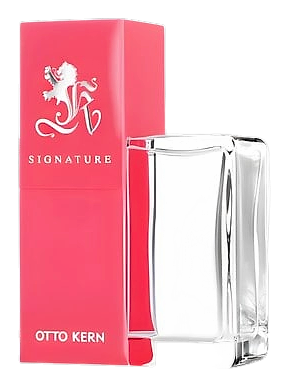
Signature Women arrived in September 2008 as the feminine counterpart to Otto Kern's Signature Man, part of a duo built around individuality and explosive energy. Otto Kern, the German menswear house, had been building out a fragrance wardrobe through a licensing arrangement with Mäurer & Wirtz. Signature Women landed squarely in mainstream floral-fruity territory, the kind of composition that sits comfortably in a busy fragrance rotation and asks you to pick it for its sweetness. The twin campaign motives of individuality and explosive energy read like a brief for something accessible and confident, pulling in two notes that suggest both self-possession and forward motion at once. Nothing about the launch was meant to be rare.
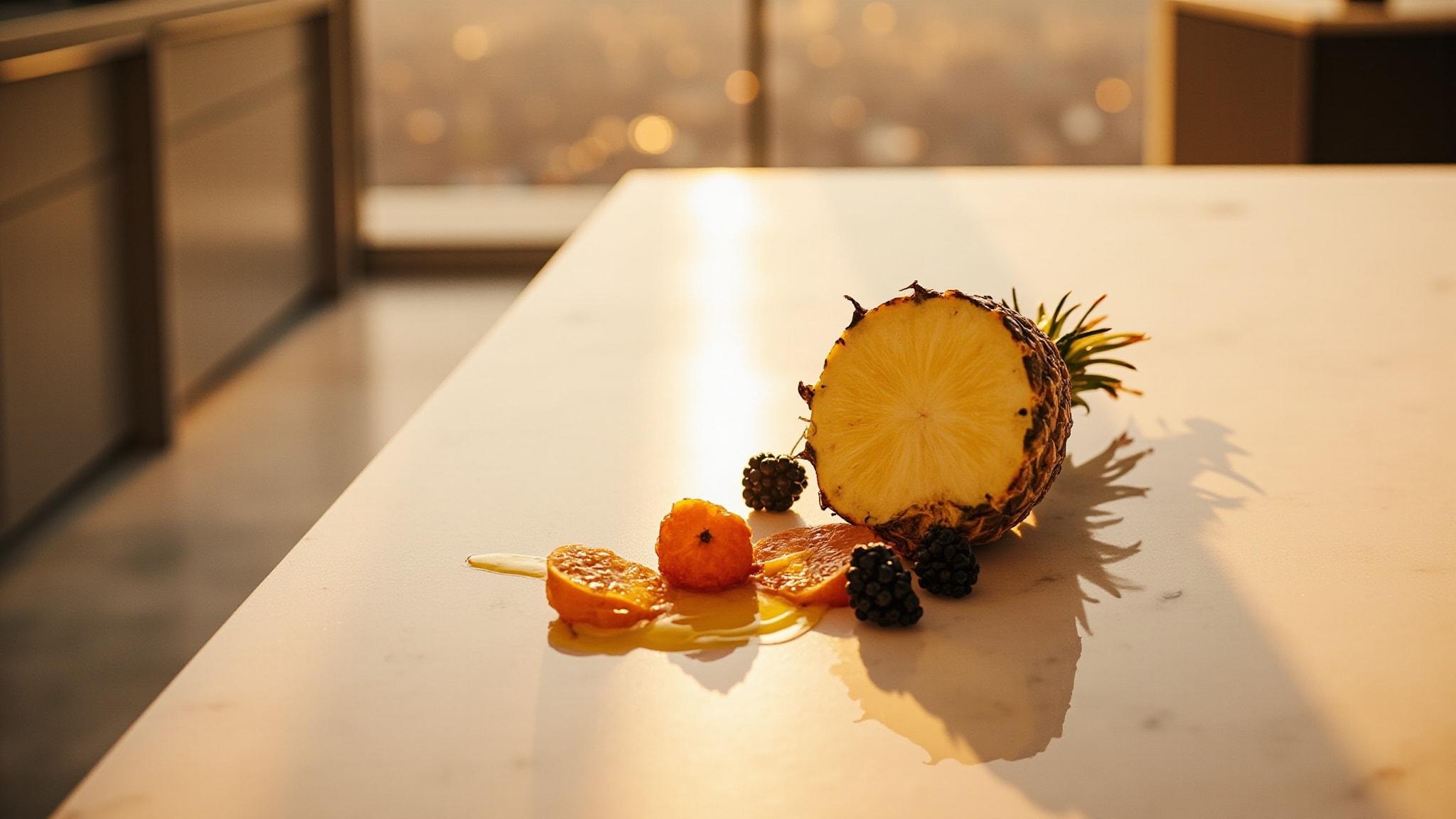
The note pyramid reads like a textbook of mid-2000s fruity-floral design. Pineapple, blackcurrant, and tangerine open bright and acidic, with the pineapple carrying a sharp almost confectionary sweetness that cuts against the darker cassis edge. The heart brings peach, gardenia, and tuberose into a creamy, slightly indolic white floral space where the peach adds a syrupy warmth and the gardenia thickens the texture into something almost buttery.
The evolution
On skin, the pineapple and blackcurrant hit first, sharp and unmistakable, like a cold glass of fruit punch poured over crushed ice. Fifteen minutes in, the tangerine softens the edges and the peach starts pulling the composition into something rounder, the juice settling into a gentler syrup. The gardenia and tuberose arrive around the thirty-minute mark and turn the whole thing milky, with the gardenia's waxy fullness doing most of the textural work. The sweetness doesn't fade; it deepens, shifting from candied to creamy without ever losing its grip. By hour two, the benzoin has warmed up and the musk underneath is doing the quiet work of holding everything together, the resin note humming beneath the florals like a low ember.
Cultural impact
Signature Women sits in the crowded late-2000s floral-fruity category, a period when pineapple-tuberose compositions were everywhere and consumers had learned to navigate them by mood rather than by name. Its positioning is everyday-wearable rather than collector-aimed, and wearers tend to describe it in terms of mood and convenience rather than artistry. The fragrance understands its place in the rotation. It wants to be the one you reach for on a Tuesday morning, the one that pairs easily with whatever you're wearing and wherever you're going.