
The Story
Why it exists.
The beginning
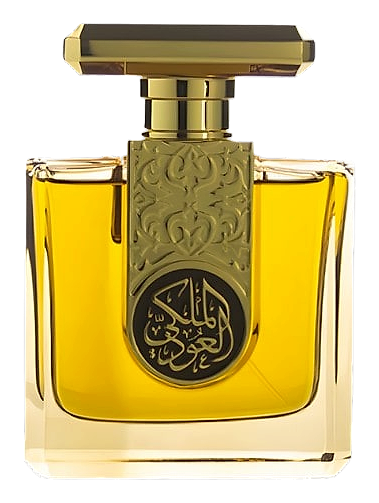
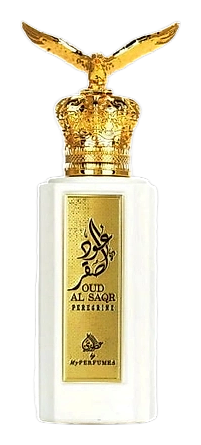
The name Al Saqr means the falcon in Arabic, and Peregrine evokes the swift hunter that circles desert skies. Otoori wanted to bottle that soaring freedom, pairing the bird's sharp precision with the deep, resinous heart of Arabian incense. Drawing on the house is 2015 Riyadh roots, the perfumer constructed this fragrance as a study in contrasts: the clarity of lavender and aromatic herbs against the warmth of saffron and frankincense, ultimately settling into the dark richness of oud and benzoin. The composition mirrors the bird itself, beginning with watchful alertness and descending into grounded power.
The pairing of lavender with oud in a Gulf-rooted composition reflects Otoori's intent to bridge aromatic precision with deep resinous tradition. Saffron and frankincense together evoke the smoke of Arabian markets, while ambergris and benzoin ground the heart in warmth. Moss brings an earthy counterbalance that keeps the oud from becoming too dense. Each note serves a purpose: the lavender gives initial clarity, the heart gives warmth, and the base gives the lasting identity that defines this falcon.
The evolution
The fragrance begins with a crisp aromatic opening where lavender leads and spicy notes add dimension. Within minutes the heart emerges, floral notes weaving through saffron warmth while cedarwood adds structural dryness. Frankincense arrives as a quiet smoke that elevates the floral-heart without overpowering it. By the third hour the drydown takes hold, the oud asserting itself against a backdrop of benzoin sweetness and mossy earthiness. Ambergris adds the final layer of animalic warmth, completing a journey that moves from high desert clarity to low desert depth.
Cultural impact
Oud Al Saqr Peregrine reflects a resurgence of traditional Arabian oud in contemporary perfumery, echoing the region’s historic use of resinous woods in ceremonial contexts. Launched in 2020, it arrived as consumers sought deeper, heritage‑inspired scents, reinforcing a cultural pride in native ingredients while influencing global trends toward richer, spice‑laden compositions. Its acceptance among collectors underscores a broader movement that values authenticity and artisanal craftsmanship, bridging past rituals with modern luxury narratives.