The Story
Why it exists.
The beginning
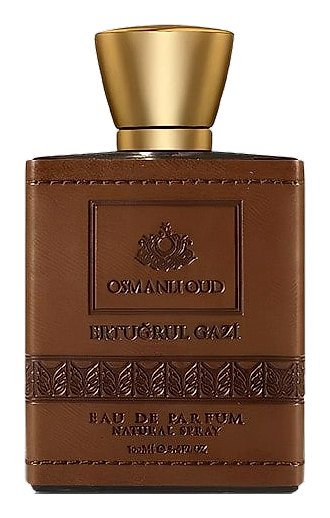
Ertuğrul Gazi belongs to Osmanli Oud's Efsana collection, the house's line of legendary compositions. The fragrance takes its name from a figure of historical legend, a leader whose story has carried across generations as one of the foundational threads in Ottoman heritage. Osmanli Oud doesn't translate legend into costume. It translates it into scent architecture, building each composition to carry that weight through careful construction rather than theatrical recreation. There's no theatrical smoke here, no siege-map drama. The fragrance reads more like a quietly kept promise. Powder, almond, warmth held under tight reins. The kind of scent a custodian of memory might wear without making a production of it.
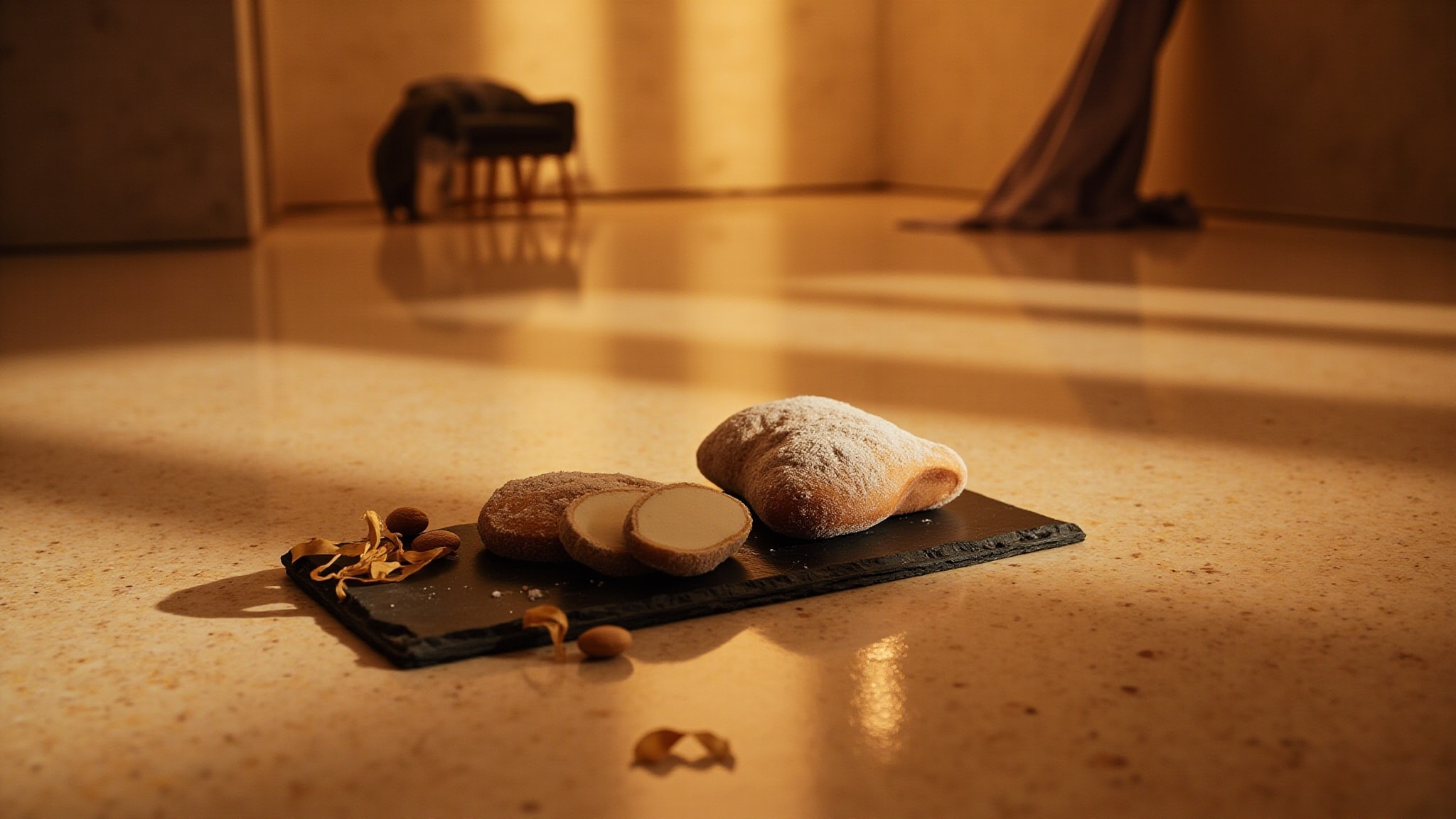
What's notable is the cumin and heliotrope opening, a first pairing that sets a savory-sweet tone from the first moments. Cumin brings a toasted warmth, almost edible, and the heliotrope reads as almond-cherry sweetness before the bitter almond in the heart confirms it. The combination creates a marzipan-shaped ghost that runs through all three layers, threading the composition together with a confectionary warmth that doesn't appear in most compositions built around oud or heavy resins.
The evolution
The first 15 minutes taste bright. Bergamot lifts, cumin smolders underneath, and the heliotrope gives that first powdery curve, like confectioner's sugar shaken into the air. Not heavy. Not yet. Around the 30-minute mark, the bitter almond arrives with purpose. The jasmine doesn't bloom so much as glow, and the lavender pulls it all into something almost barbershop-adjacent, except warm. This is the powder settling in. You stop noticing individual notes and start noticing an aura. By hour two, the base has claimed the composition. Amber smooths every edge. Sandalwood shows up creamy and unhurried. The vanilla rounds things out without sweetness taking over. Six hours in, the drydown still reads warm and faintly sweet against skin. The powder never fully leaves. What fades is the top-layer brightness, not the heart. On fabric the next morning, you'll catch the marzipan and sandalwood, still talking to each other.
Cultural impact
Ertuğrul Gazi sits quietly in the Efsana collection, the house's dedicated line for legendary figures. It doesn't aim for volume or showmanship. Instead, it reads as a powdery, almond-warm composition built for someone who treats heritage like a private reference instead of a performance. The cumin-lavender-marzipan signature gives it a distinct character, one that holds its own without leaning on the heavier resins or smoke that dominate many compositions in the oriental space. What makes it interesting is how it handles restraint.