
The Story
Why it exists.
The beginning
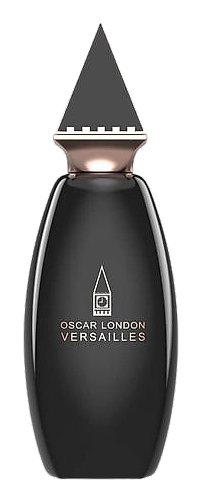
Versailles was built around a specific feeling: the moment when formality meets abundance. The Palace of Versailles exists in that tension, the rigid geometry of French formal gardens pushed up against something wilder, the sheer scale of ambition meeting the natural world. Bergamot and mint open like a garden gate swinging wide in cool morning air. Grapefruit adds brightness without sweetness. At the heart, violet and geranium evoke the garden's bloom, not its order. It breathes. The composition manages to feel both regal and approachable, a fragrance that carries the weight of grandeur without becoming precious itself. There is an ease to the sillage, something that suggests leisure rather than performance, the garden as lived space rather than spectacle.
What makes Versailles work is the Ambroxan. It's not the star ingredient on paper, that distinction belongs to the patchouli or the cedarwood, but in the actual wearing, Ambroxan is what holds everything together. It bridges the cool mint-grapefruit opening and the warm earthy base without either side winning outright. The result is a fragrance that feels cohesive across its full arc, no single phase jarring into the next. Nutmeg appears twice, in the heart and the base, which is unusual; it gives the composition a spiced continuity rather than the usual pyramid-shaped handoff. Vetiver at the drydown isn't smoky or harsh, it's dry, almost papery, like old books in a sunlit room.
The evolution
It opens cold. Mint, grapefruit, bergamot, three notes that announce themselves without apology. The citrus doesn't linger; the lavender and geranium move in, softening the sharp edges into something herbal and clean. The violet is subtle, more impression than note: a powdery warmth that keeps the heart from tipping into something too sharp. Cedarwood arrives, dry and architectural. The base takes over. Patchouli's earthiness, ambroxan's warmth, vanilla's quiet sweetness, vetiver's drydown, together they create something that sits close to the skin but refuses to disappear. The fragrance evolves across the hours, revealing different facets as the top notes recede and the deeper layers emerge. The cedar-vetiver character lingers on fabric, like a room someone just left.
Cultural impact
Versailles belongs to a collection of fragrances named for cities and places, a line that includes Brooklyn, Venice, and Milan. The fougère structure gives it a classic backbone, but the grapefruit-mint opening keeps it contemporary. Lavender and geranium anchor the composition in tradition, while the citrus and herbal notes push it into the present. For someone who wants a fragrance with architectural clarity and garden warmth, without the weight of heavier compositions, Versailles offers a different path. The scent is neither shouty nor invisible, finding a middle ground that rewards attention without demanding it.