The Story
Why it exists.
The beginning
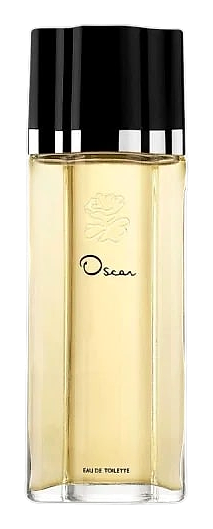
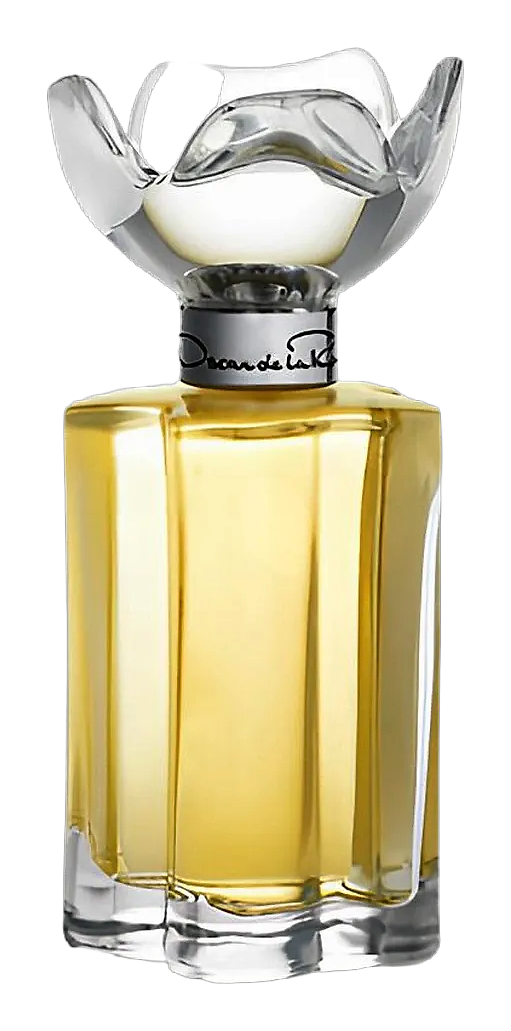
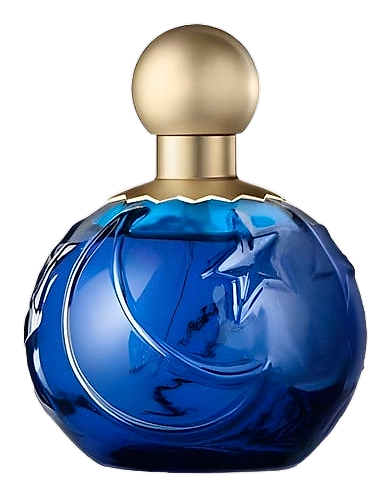
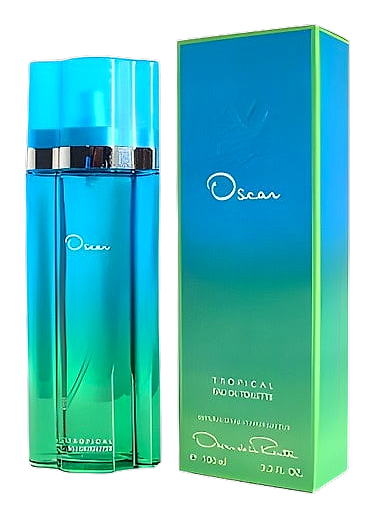
Oscar Tropical arrived in 2002, when the Oscar de la Renta house was expanding beyond fashion into new creative territories. The fragrance was conceived as a way to bring the warmth and color of the brand's aesthetic into something you could wear, not just live with. The 2002 launch positioned it as a fresh reinterpretation of the house's original 1977 signature, translated through a more tropical lens that captured exotic florals and sun-drenched sweetness. Serge Mansau designed the bottle, bringing his architectural sensibility to a flacon that would hold something intentionally sunny.
What makes Oscar Tropical interesting is how it handles the tropical genre without the usual pitfalls. The top notes, bergamot, dewberry, mandarin orange, arrive with actual brightness instead of the cartoonish fruit punch some tropical fragrances lean into. That citrus lift matters. It keeps the dewberry and passion flower from becoming cloying, gives them somewhere to breathe before the florals take over. The heart is where it earns its name: frangipani and ylang-ylang are both heady, almost intoxicating white florals, but they're anchored by orange blossom's clean sweetness. The base, amber, sandalwood, vanilla, is warm without being heavy. It adds staying power without adding weight.
The evolution
The opening announces itself quickly, bergamot and mandarin citrus bright enough to read as sparkling, then the dewberry and passion flower swell beneath it. For the first twenty minutes, there's a tartness that keeps everything lively, almost green in the best way. Then the florals arrive. Frangipani takes the lead, creamy and exotic, followed by ylang-ylang's deeper floral warmth. Orange blossom softens the transition, keeps it from going too heavy. The base arrives quietly, not a dramatic shift but a settling. Amber and sandalwood emerge gently, with the vanilla appearing last, melding everything into something skin-close and warm. The fragrance maintains its character through the evening on most skin types, the tropical sweetness gradually giving way to a softer, more intimate drydown that lingers without overwhelming.
Cultural impact
Oscar Tropical arrived at a transitional moment in fragrance culture, when mass-market designer fragrances were beginning to compete seriously with niche houses for creative legitimacy. This scent represented a fresh interpretation of the house's established identity, translated through a more accessible lens. The tropical florals and sweet oriental warmth aligned with a broader trend toward fruity-gourmand compositions that dominated that era's fragrance landscape. The moderate sillage and intimate wear style meant the fragrance announced itself without dominating a room, projecting presence while inviting closer discovery.