The Story
Why it exists.
The beginning
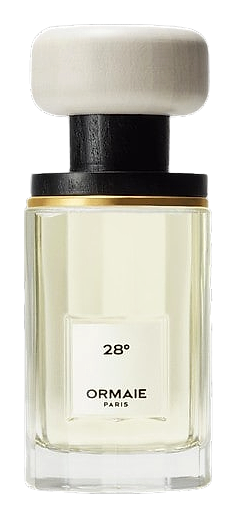
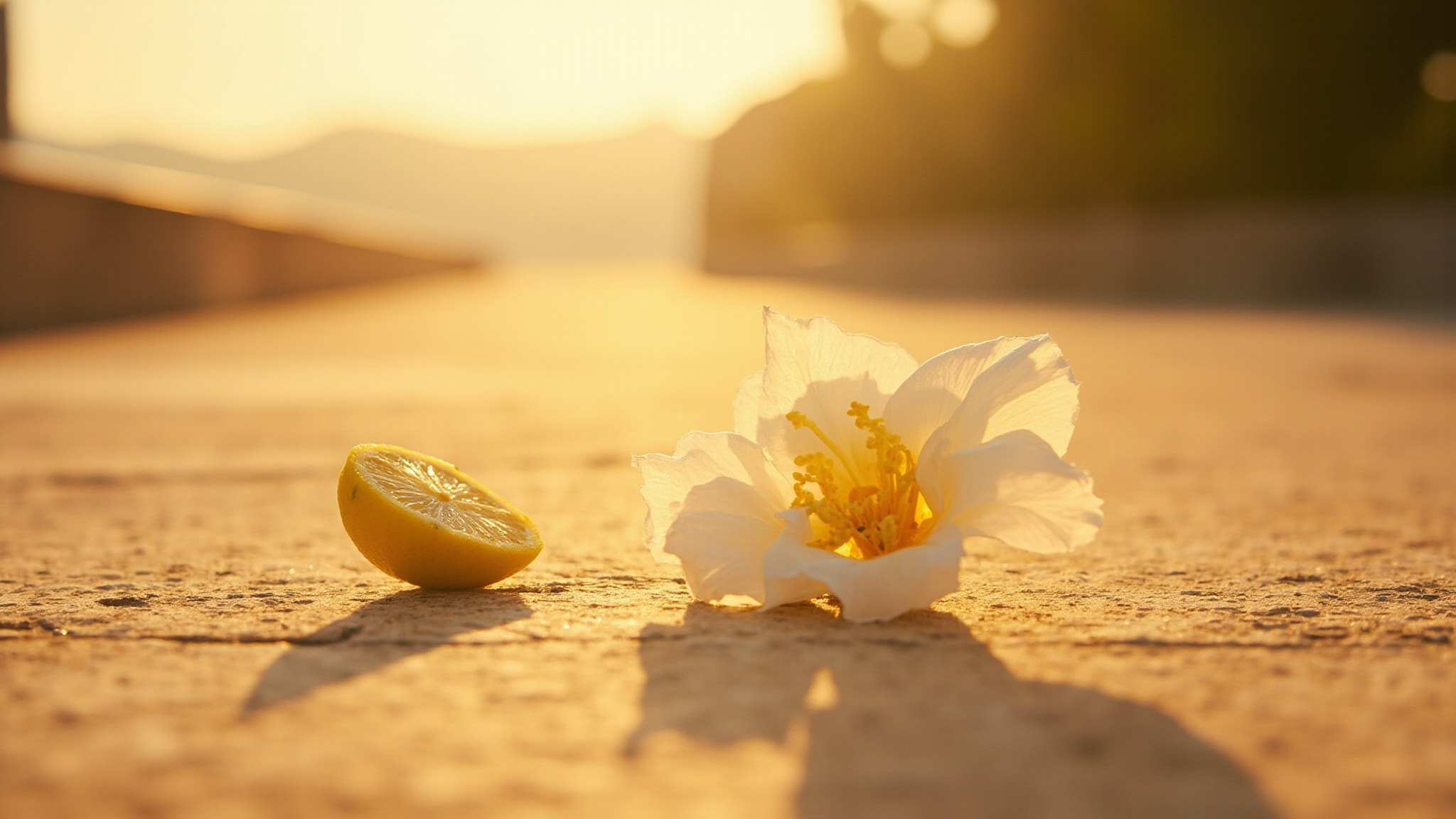
The South of France at 28 degrees. That specific warmth when the air turns thick and sweet and you can smell jasmine from twenty feet away. That's the starting point for 28°, Ormaie's ode to summer evenings and slow walks through heat that doesn't let go. The fragrance was built around that threshold, the moment when the temperature tips and everything changes. White flowers dominate not because they're loud, but because they fill the space differently at that heat. Close. Layered. Like fabric that holds the warmth long after you've taken it off. The density of the air means every note behaves differently, staying closer to skin, pooling in the space around you rather than dispersing upward into nothing.
The jasmine sambac and tuberose pairing here isn't a surprise, Ormaie's philosophy centers on natural materials allowed to speak at full volume. What's interesting is the immortelle in the base. It adds a honeyed, slightly medicinal quality that prevents the composition from sliding into pure sweetness. Without it, 28° would read as purely dessert. With it, there's something almost savory underneath, the smell of flowers growing in dry earth, not just arranged in water.
The evolution
The citrus opens fast and clean, bergamot, lemon, mandarin, all brightness against warm air. Within minutes the white flowers push through. Jasmine first, then tuberose swells into the composition until the citrus is just a memory. The transition isn't dramatic. It happens the way afternoon becomes evening: gradually, then completely. As the composition settles, the drydown takes hold. Vanilla and sandalwood create a skin-warm base, but the immortelle lingers longest, that honeyed, slightly resinous note that smells like the last trace of something floral. On fabric, the sandalwood holds and the composition lingers in the weave. On skin, it becomes part of you, almost indistinguishable from your own warmth.
Cultural impact
Ormaie's debut brought natural extraits into the contemporary niche conversation, a time when transparency and authenticity in luxury scent-making were gaining attention. The house represented a move toward formulations built around whole ingredients rather than molecular approximations. Rather than chasing trend cycles, the lineup focuses on craftsmanship, each fragrance taking the time needed to develop its character fully. This patient approach distinguishes the house from faster-moving market offerings.