The Story
Why it exists.
The beginning
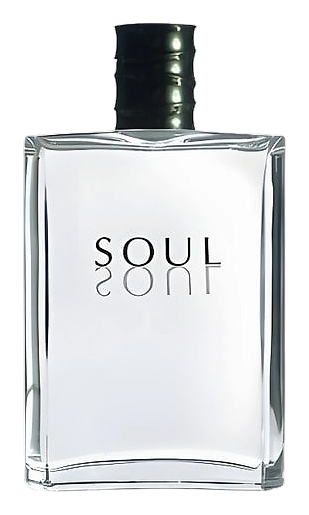
Christian Vermorel designed Soul for Oriflame in 2003, working from a simple brief: a fragrance built on inner strength. Not the aggressive kind that announces itself across the room, but the steady, reliable energy that stays with you through the day. The brand's Swedish roots show in the approach, no excess, no complexity for its own sake. Just well-made materials doing exactly what they should.
What makes Soul work is the way its herbs and citrus arrive without apology. The top is sharp, almost green, with basil and juniper providing a cool opening that feels immediate. The suede in the heart is the surprise, it doesn't overpower, but it adds a soft leather texture that bridges the freshness of the top and the warmth of the woody base. Patchouli and sandalwood ground the composition without dragging it down. It's a fragrance that knows what it wants to be and commits to it.
The evolution
The first spray hits with a crisp, almost biting freshness. Basil and juniper cut through immediately, with bergamot and grapefruit adding bright citrus lift. The green notes don't soften, they hold their ground for about twenty minutes before the suede emerges from the heart notes, bringing a soft leather quality that shifts the trajectory. Rosemary and thyme take over as the herbs fade, warming the composition. The drydown settles into patchouli and sandalwood, with amber adding a quiet warmth. The base lingers close to the skin for six to eight hours, present but never loud, the kind of scent that someone standing next to you will notice before the person across the room.
Cultural impact
Soul arrived in 2003 during a shift in masculine fragrance culture, when brands were moving away from heavy orientals toward cleaner, more wearable profiles. Oriflame positioned it as an accessible alternative to designer aromatics, targeting men who wanted a confident scent without the complexity or price of niche offerings. The early 2000s masculine market was saturated with fresh aquatic and citrus fragrances, and Soul stood apart by leaning into herbal and suede textures. Its 2003 release reflected a broader trend: the democratization of fragrance taste, where mainstream brands began borrowing visual and olfactory cues from higher-end aromatics.