The Story
Why it exists.
The beginning
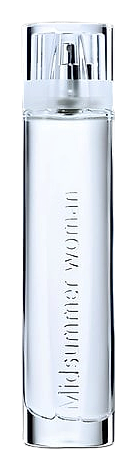
Midsummer Man arrived in 2000, composed by Fabrice Pellegrin for Oriflame, a Swedish brand that had spent three decades building fragrances rooted in natural inspiration and community-first distribution. The name says everything. Midsummer in Scandinavia is an event, not a season: that single night in June when the sun barely sets, when cities empty and the country exhales. Oriflame wanted a fragrance that carried that specific Nordic energy, not the postcard version of summer, but the actual, felt experience of it.
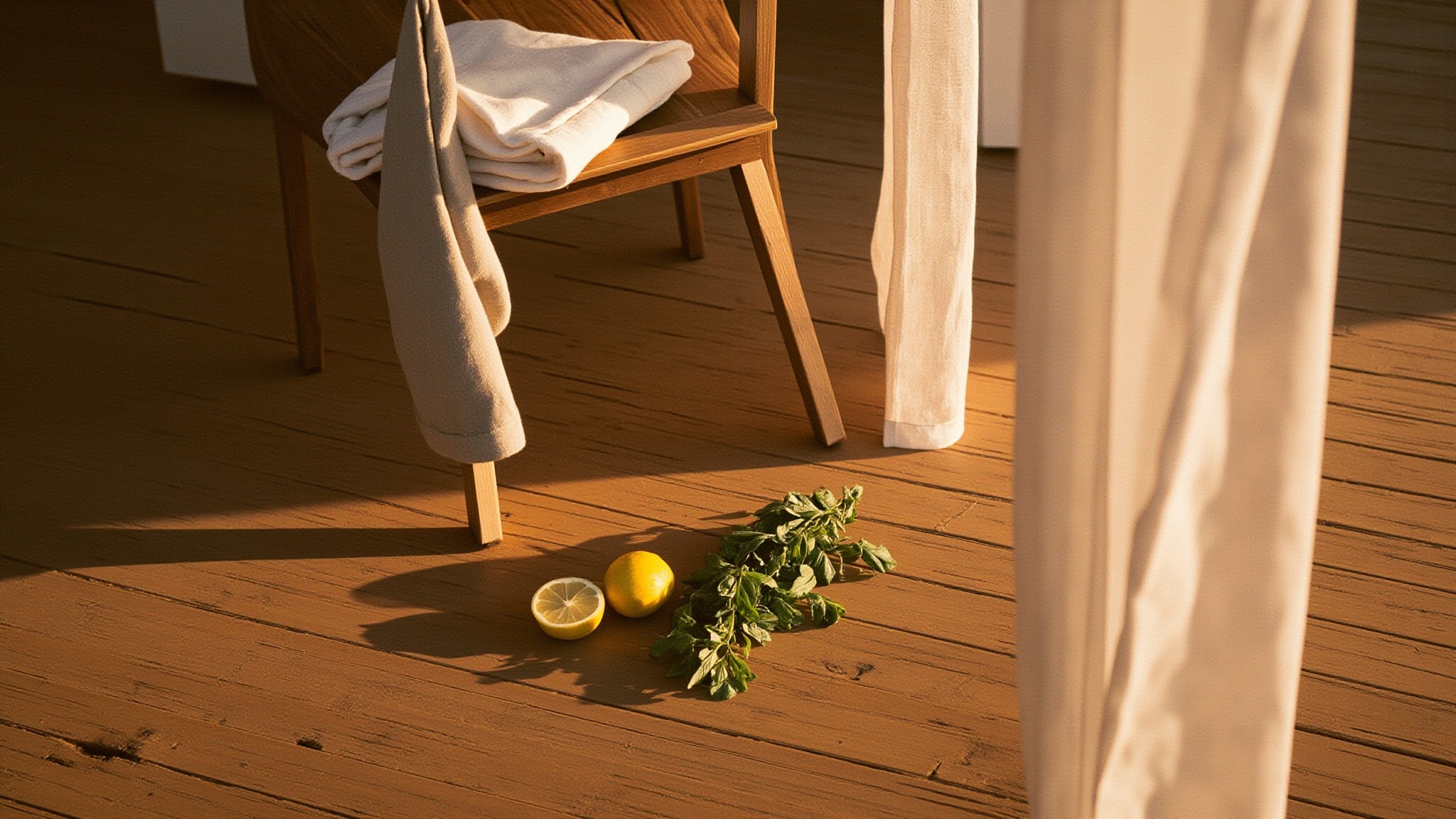
The structure reflects that ambition. Citrus at the top, mandarin, lemon, captures the sharp clarity of long northern daylight. Basil adds something unexpected: herbaceous, almost vegetable, like crushed stems in a garden at dusk. The heart brings warmth through cardamom and rum, a combination that reads as spiced but never heavy. By the time you reach the base, cedar and vetiver anchor everything in that dry, woody register that Scandinavian design does better than anyone. Moss and sandalwood round it out, keeping the drydown grounded without becoming austere.
The evolution
The opening hits fast, citrus bright and immediate, the lemon arriving about thirty seconds before the mandarin catches up. Basil follows within minutes, adding that green snap that separates this from a standard fresh fragrance. The heart is where the composition earns its name: cardamom and rum create warmth that feels sunlit, not tropical. This phase lasts roughly 2, 3 hours on most skin types. The drydown is where cedar and vetiver take over, dry, slightly mineral, with the sandalwood providing just enough creaminess to keep it from going skeletal. Vetiver lingers longest, that earthy root smell that stays close to the skin for another hour or two before fading quietly.
Cultural impact
Midsummer Man occupies a particular space in the landscape of masculine fragrances from the early 2000s: it's neither the aggressive aquatic that defined that era nor the safe fougère that came before. Wearers describe it as the scent of someone who walks into a room and doesn't need to announce themselves, present, unhurried, self-contained. The fragrance has maintained a steady following not through ubiquity but through consistency: it smells like a specific kind of Scandinavian summer that never really goes out of style.