The Story
Why it exists.
The beginning
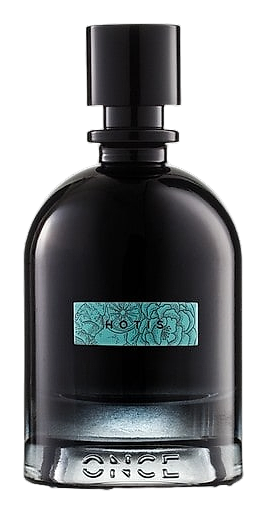
Hotis began as a question Soïzic Beaucourt kept returning to: what does an invitation feel like? Not a demand. An invitation. Mate offered the answer. It's herbal, slightly bitter, unmistakably alive. Not a note that plays well with others by default. Beaucourt paired it anyway with juniper berries and pink pepper for the opening, materials that share mate's natural brightness without diluting it. The heart that follows is where the real conversation happens. Rose and tea. Neroli, cinnamon, clove. A group of ingredients that could fight for attention but instead take turns, each one stepping forward and then stepping back. The base had to hold all of this without flattening it. Cedarwood and sandalwood anchor the structure. Tobacco and labdanum add a warmth that arrives late and stays.
The mate in Hotis is the structural choice that separates this from more conventional woody compositions. It's an ingredient that requires a perfumer to commit or walk away. Beaucourt committed, using mate's herbal bitterness to anchor what could have been a sweeter, simpler fragrance. The opening sparkle of juniper and pink pepper gives way to rose and tea, and the interplay between those two is where the fragrance earns its reputation. Rose wants to be sweet. Tea wants to be austere. Hotis lets them argue, and the argument is interesting. Cedarwood and sandalwood in the base aren't decorative.
The evolution
Hotis opens with a quick flash of juniper and pink pepper, that bright spike that says something is happening. Within fifteen minutes mate takes over and the composition shifts from spark to smoke, herbal and green without any sharpness. The rose and tea arrive together around the thirty-minute mark, and this is where the fragrance spends most of its time. Neither note dominates. The rose keeps the tea from becoming too austere. The tea keeps the rose from becoming too sweet. Cinnamon and clove add warmth underneath without pushing. The drydown is where the fragrance earns its longevity. Cedar and sandalwood arrive first, woodsmoke without fire. Then tobacco and labdanum, resinous and close, the kind of warmth that feels like someone was just here. On most skin types, Hotis holds for six to eight hours. The sillage never becomes overwhelming. It's a fragrance that asks you to lean in.
Cultural impact
Hotis occupies an unusual position in the contemporary woody-spicy category. The mate and tea combination reads as a deliberate choice against the sweeter, more accessible fragrances that dominate the space. Wearers describe it as the scent of someone who walks into a room and doesn't need to announce themselves. The fragrance has found an audience among collectors who prize restraint over projection, choosing Hotis as a daily wear for its ability to evolve throughout the day without demanding attention. Community ratings place it firmly in the competent, quiet workhorse category rather than the showstopper tier.