The Story
Why it exists.
The beginning
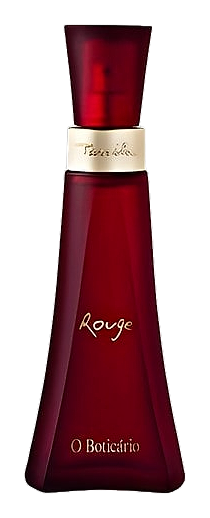
Jean-Pierre Bethouart and Eurico Mazzini designed Tarsila Rouge as a study in contrast. The 2006 release opens sharp, citrus and black pepper, before unfolding into something warmer, softer, more powdery. It was O Boticário building an oriental that didn't shout. A fragrance that arrived in stages, that rewarded patience, that earned its quiet ending rather than demanding attention from the first spray. The name, borrowed from Brazil's modernist heritage, carried weight without being literal about it. Tarsila Rouge was the house saying it could do restraint. That warmth didn't have to be loud to last.
Cashmere wood does something unusual here. It behaves like a wood and like a skin, warm without weight, present without projection. Paired with vanilla orchid, the base avoids the trap of oriental heaviness. Instead, it settles soft and powdery, the kind of drydown that reads as skin-warm rather than perfume-heavy. Black pepper and tangerine blossom provide the counter-argument: fresh, spicy, bright enough to keep the vanilla from ever becoming cloying. The structure holds together across its phases, no jarring transitions, no hollow middle, no premature fade.
The evolution
The opening hits bright. Bergamot, tangerine, black pepper, a quartet that announces itself without demanding space. The peach adds sweetness but keeps pace with the spice. This phase lasts 20-40 minutes before the citrus begins to recede. Then the jasmine and magnolia take over. The magnolia is the quiet workhorse here, creamy, slightly powdery, bridging the gap between the sharp top and the warm base. Lotus adds a delicate aquatic undertone that feels unexpected in an oriental. The transition isn't dramatic; it's a slow hand-off, like one conversation becoming another. The drydown belongs to vanilla orchid and cashmere wood. Together they create a warm, enveloping presence that lingers close to the skin. Musk keeps it intimate without being animalic. The vanilla stays sweet but never tips into gourmand. On most skin types, expect 4-6 hours of wear, the drydown accounts for the final 2-3 hours, fading into something soft and powdery that almost reads as skin, not perfume.
Cultural impact
Tarsila Rouge arrived in 2006 as part of O Boticário's strategic expansion into the oriental fragrance segment, a category that was gaining momentum in Brazilian perfumery during the mid-2000s. The 2006 launch reflected a broader cultural shift in Brazil toward more complex, layered scents that moved beyond the lighter florals and citrus-dominated market. O Boticário, as a domestic institution rooted in Brazilian perfumery since 1977, used Tarsila Rouge to demonstrate that local houses could compete with international releases in both composition and cultural resonance. The fragrance's warm, powdery character mirrored a period when Brazilian consumers were developing more sophisticated taste in personal scents.