Tangerine Blossom
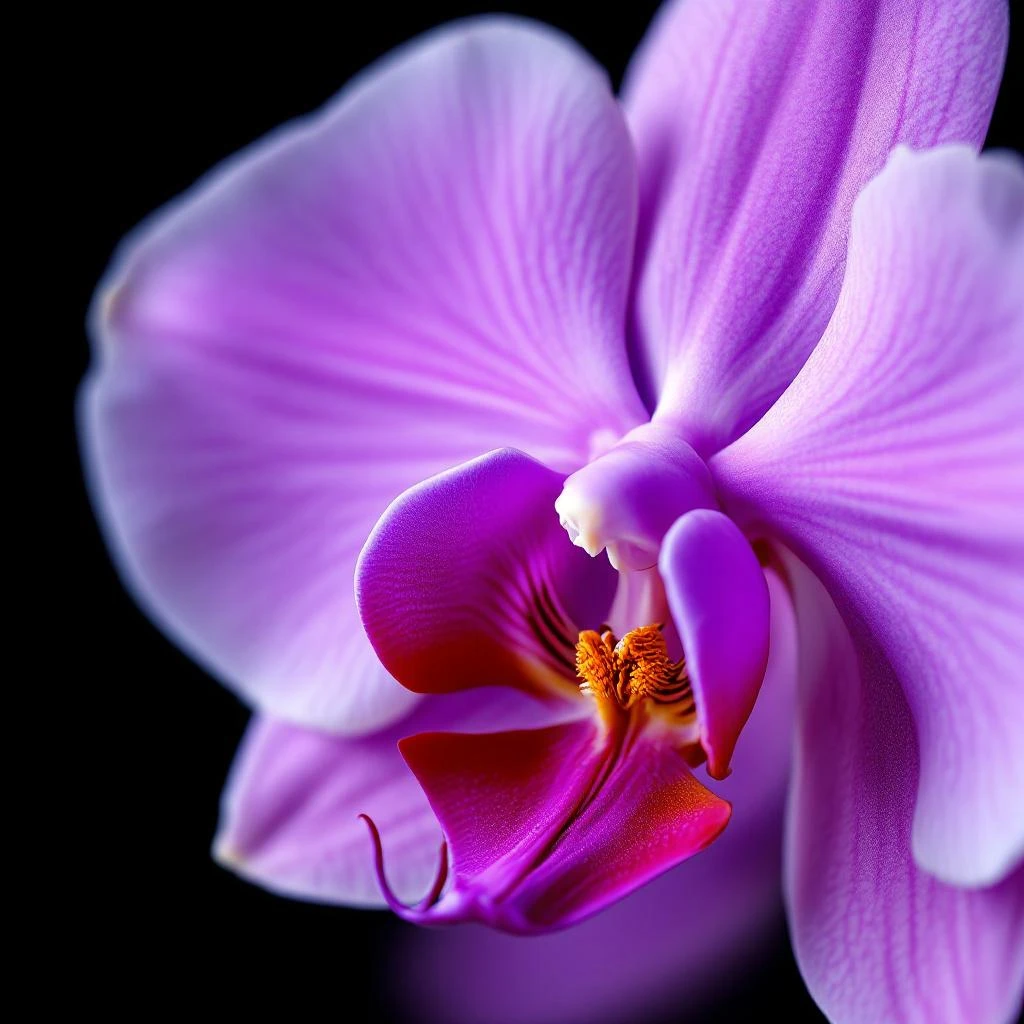
Tangerine Blossom captures the luminous, floral heart of the tangerine tree. Unlike the crisp peel oil, the blossom delivers a softer, honeyed citrus character that bridges bright top notes with deeper floral warmth in composition.
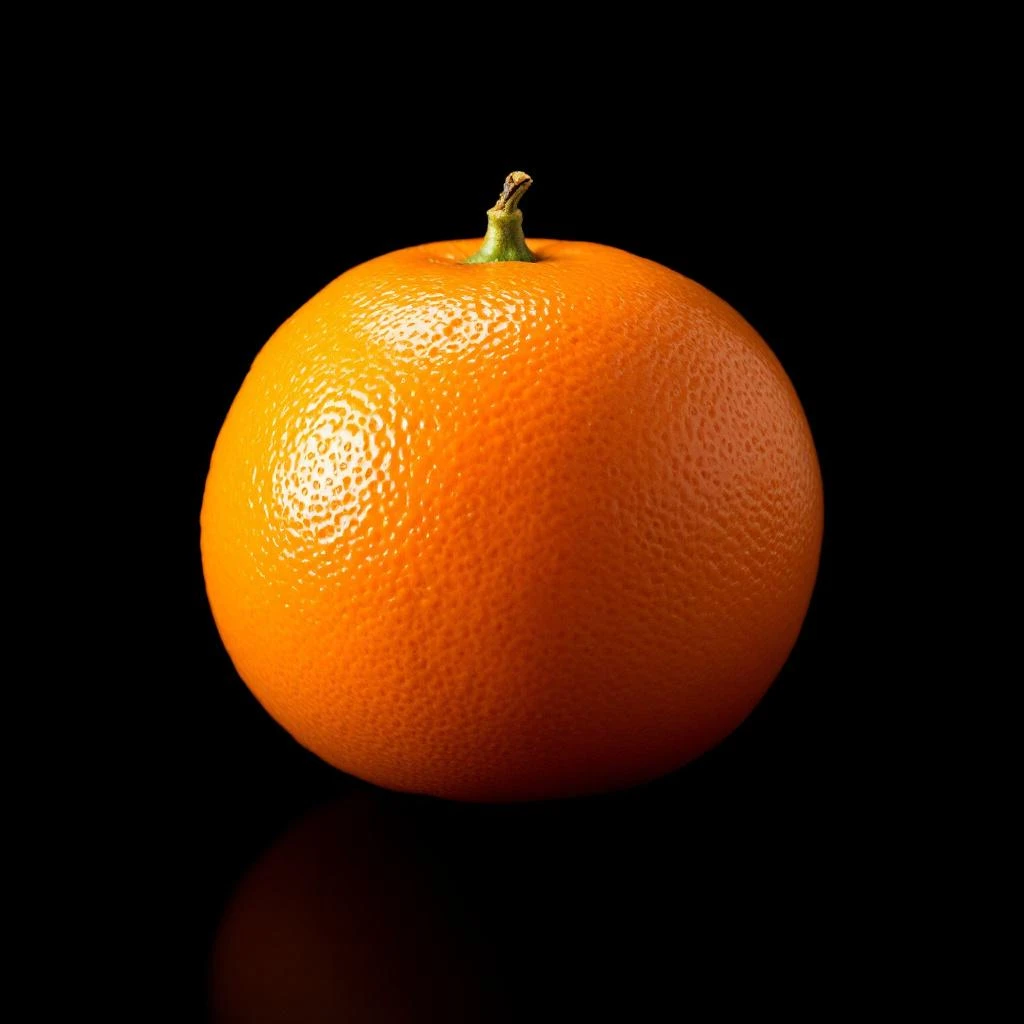
Character
How it smells
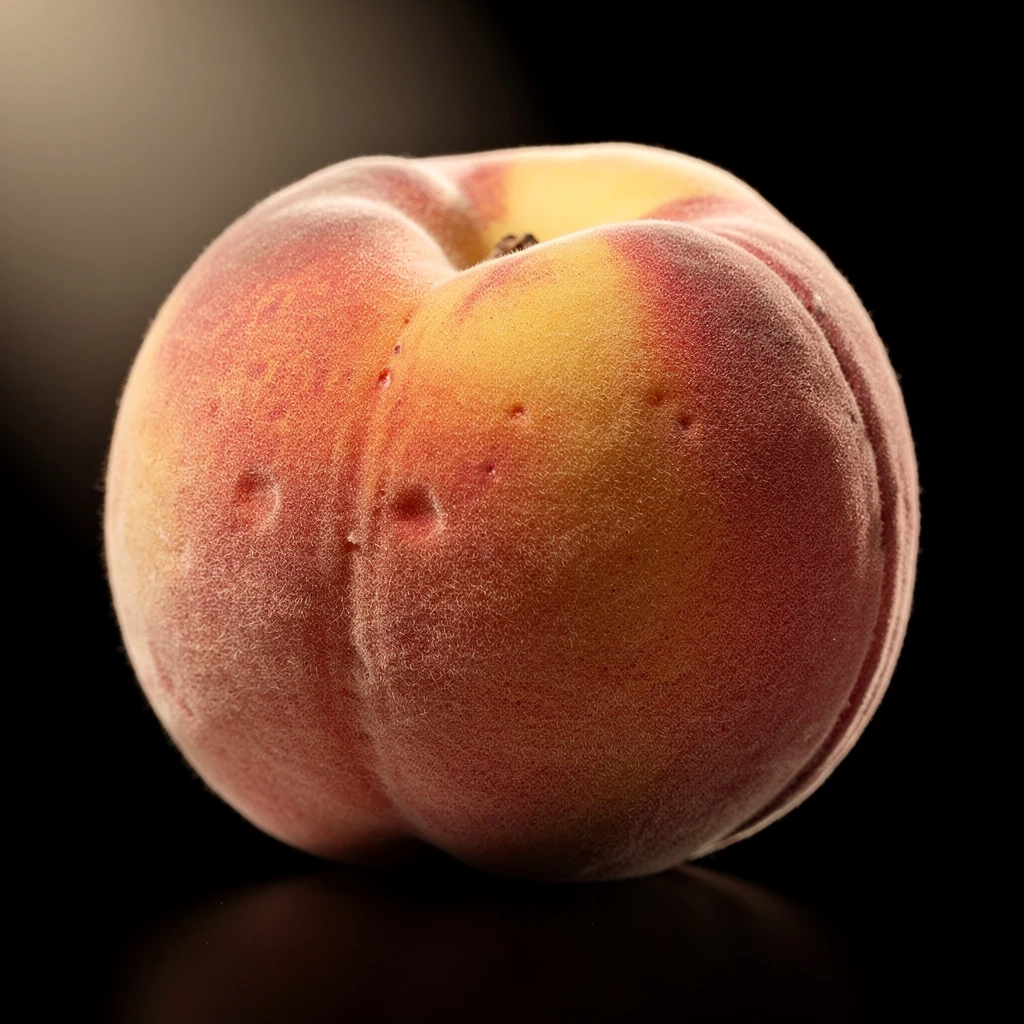
Citrus brightness meets floral grace.
A single tangerine tree can produce over 60,000 flowers, yet only a fraction develop into fruit.




Origin
China
Tangerine cultivation traces back over 3,000 years to ancient China, where the fruit held ceremonial significance and appeared in medicinal texts. European traders encountered tangerines during expeditions to Southeast Asia, bringing seeds back to the Mediterranean by the 15th century. The blossom itself received little attention until perfumers began exploring complete citrus expression in the 19th century.
Before this period, orange blossom dominated citrus florals while tangerine remained primarily a fruit commodity. Italian perfumer Gian Paolo Feminis formalized orange blossom as a perfumery material in 1709, establishing the framework that would later accommodate tangerine blossom as a distinct aromatic. Modern fragrance houses now treat tangerine blossom as a separate entity, valuing its honeyed warmth over the sharper orange blossom character.
The ingredient gained prominence in fine fragrance during the 1990s as designers sought softer, more nuanced citrus expressions.
Wears it best
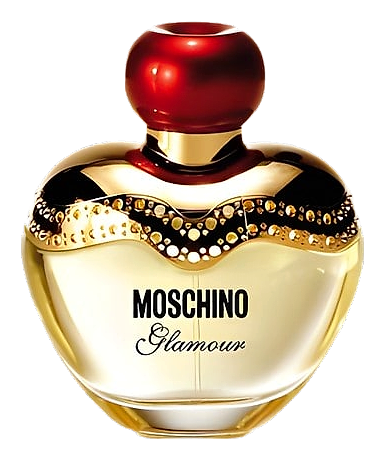
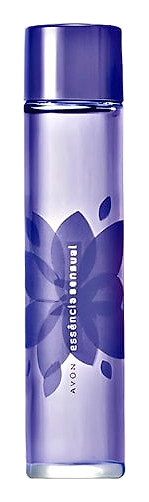
Fragrances featuring Tangerine Blossom
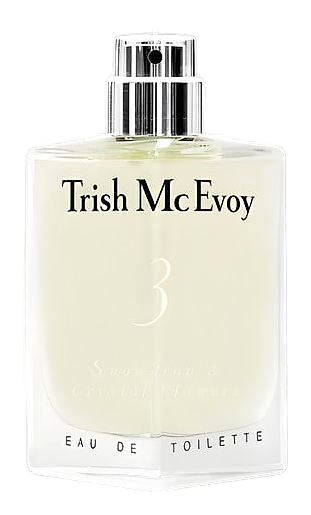
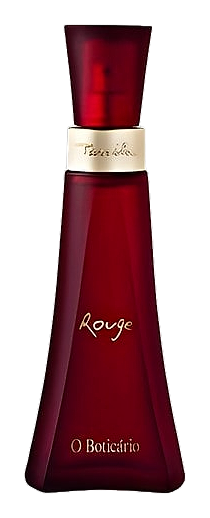
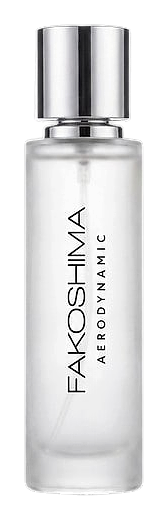
Brands
Brands known for Tangerine Blossom
Good to know
Questions, answered
The essentials on Tangerine Blossom in perfumery: how it smells, where it comes from, and how it behaves on skin.
What does Tangerine Blossom smell like?
Tangerine Blossom offers a soft, honeyed citrus character with floral undertones. Unlike bright tangerine peel oil, the blossom delivers warmth and subtlety that blends seamlessly with both citrus and floral fragrance families.
Is Tangerine Blossom natural or synthetic?
Tangerine Blossom is typically derived through solvent extraction of tangerine blossoms. Natural absolutes capture the authentic floral-citrus complexity that synthetic alternatives struggle to replicate fully.
Which fragrances commonly feature Tangerine Blossom?
Tangerine Blossom appears frequently in modern citrus and floral compositions. Perfumers value it for adding warmth to bright opening notes and bridging transitions into heart notes.
What parts of the tangerine plant are used in perfumery?
Perfumery uses two distinct tangerine materials: the peel for crisp citrus through cold pressing, and the blossoms for soft floral absolutes through solvent extraction.
Where does tangerine originate?
Tangerine derives from Citrus reticulata, a species native to Southeast Asia. China remains the largest cultivator, with significant production also in Vietnam, Japan, and Mediterranean regions.
How is tangerine peel oil different from tangerine blossom?
Tangerine peel oil delivers bright, zesty citrus through cold pressing, while tangerine blossom absolute provides a softer, honeyed floral character through solvent extraction.
Does Tangerine Blossom appear in men’s or women’s fragrances?
Tangerine Blossom appears across gender categories. Its versatility allows perfumers to incorporate it in masculine, feminine, and unisex compositions without stylistic limitations.
What extraction method produces Tangerine Blossom absolute?
Solvent extraction yields Tangerine Blossom absolute. This method preserves delicate aromatic molecules that steam distillation would alter, capturing the true floral-citrus character.