The Story
Why it exists.
The beginning
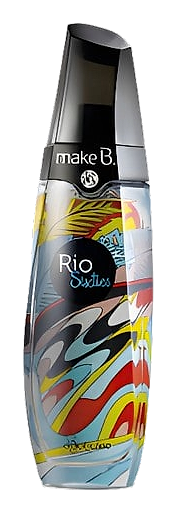
Rio Sixties takes its name from a Brazil that moves differently. Released in 2014 by O Boticário, it channels an era when Rio de Janeiro carried a particular kind of glamour on its sleeve, not the postcard version, but the one that lived in afternoon light, in music drifting from half-open windows, in the particular warmth of a city that knew how to linger. Perfumer Adilson Rato built this as an olfactory memory of that time: not a reconstruction, but a feeling translated into notes. The Make B. line, rooted in fashion-oriented beauty, gave him the creative latitude to be specific. So he was.
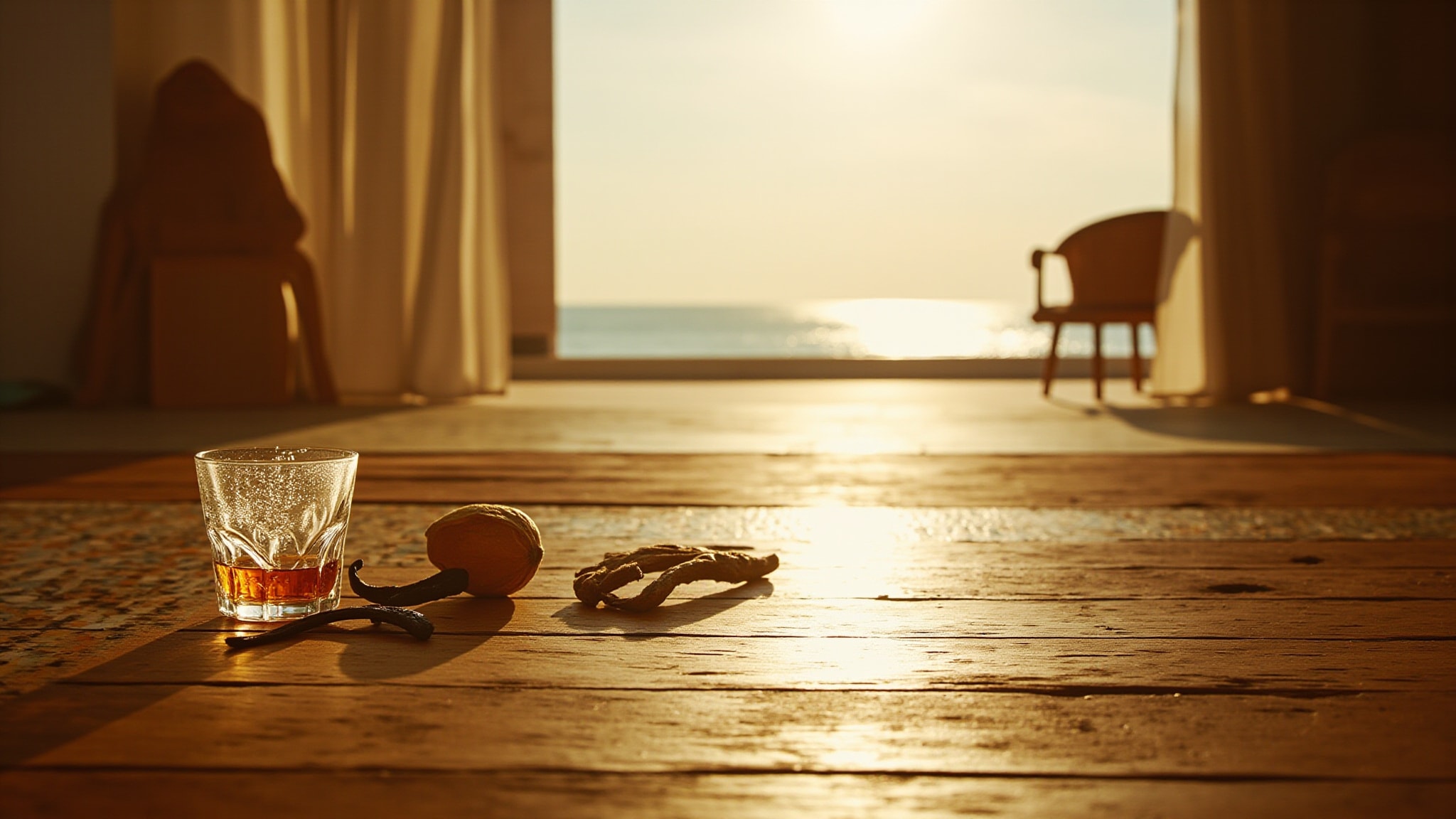
The note structure is unusual. Seven top notes crowd the opening while only two heart notes arrive afterward, a compressed floral phase that barely settles before the base takes over. The spices do not tiptoe. Nutmeg, cinnamon, and pink pepper arrive with intent, grounding the citrus rather than softening it. The real tension lives between the bright, almost sharp opening and the powdery softness that follows. Hibiscus and freesia provide that mid-century floral character, the kind of thing that once meant sophistication in a bottle. Then the sandalwood and cedar arrive, quiet but immovable, holding the drydown for hours. The vanilla underneath is what people remember the next morning.
The evolution
Pink pepper and nutmeg open sharp and bright. Mandarin orange and bergamot cut through, then the cinnamon arrives with intent. Thirty minutes in, the florals bloom briefly, hibiscus, then freesia, before the woods assert themselves and the spices settle into something warmer. The transition is not gradual. It arrives. The sandalwood and cedar take over, and the vanilla begins its slow work underneath. By hour two, this has become a different fragrance entirely from what it was at opening. The drydown is powdery, warm, and close to the skin. Musk and amber add softness without sweetness. What stays is the wood. What people remember is the vanilla. Lasting power is genuine, several hours of genuine presence before it becomes a quiet trace, the kind that lingers on fabric long after the initial burst has faded. This is the part worth waiting for.
Cultural impact
Released in 2014 by O Boticário, Rio Sixties occupies a specific space in Brazilian fragrance culture, warm spice and powdery florals that reference an older aesthetic without irony. The Make B. line's fashion orientation gave this particular freedom to be specific about its influences. What it wears is not nostalgia for its own sake, but a genuine translation of a particular Brazilian moment. Those who gravitate toward it tend to return for that combination of warmth, powder, and woody longevity.