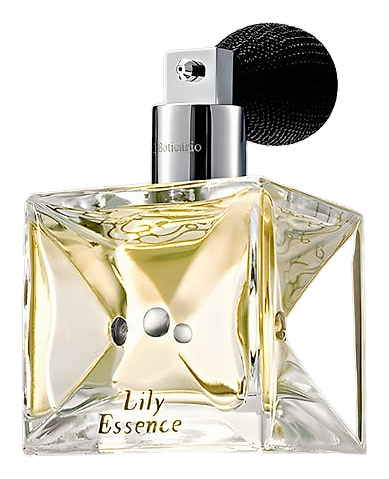

The Story
Why it exists.
The beginning
Michele Saramito designed Ops! Fashion for a wearer who wants to be noticed without announcing herself. Saramito chose the tincture of rose technique, a method that lends the heart a depth most mass-market florals skip. The iris root adds a powdery violet quality that threads through the heart and bleeds into the drydown. It's a perfumer's move that takes more care than most mass-market florals receive, creating something that rewards a second look.
The white floral heart is the structural centerpiece, lily of the valley bridges the citrus opening and the woody base without ever dominating. In many compositions, this muguet note gets used as a filler, something green and soapy that merely softens transitions. Here, it earns its place. Paired with the orris and the rose tincture, the lily of the valley becomes part of a triad that shifts from transparent to almost buttery as the fragrance develops. The real interest, though, sits in the base.
The evolution
The citrus doesn't last long, maybe forty-five minutes before bergamot and orange blossom give way to the heart. What arrives next feels almost like a different fragrance: the lily of the valley goes slightly transparent, the rose becomes denser, and the orris introduces a violet-powder note that wasn't in the opening at all. Three hours in, the drydown announces itself. Cedar and sandalwood emerge first, rough-edged and woody, before patchouli adds a faint earthiness that keeps the sweetness from becoming confectionary. The tonka and vanilla take over from there, wrapping everything in a warm, powdery embrace that stays close to skin for another four to five hours. On fabric, the cedar persists into the next day.
Cultural impact
Ops! Fashion sits comfortably in O Boticário's tradition of accessible, well-crafted Brazilian florals, the kind that line bathroom counters across the country. It shares DNA with the Floratta line but pushes further into woody territory, making it stand apart from the brand's more purely floral offerings. For a Brazilian consumer, it reads as familiar without being forgettable.