
The Story
Why it exists.
The beginning
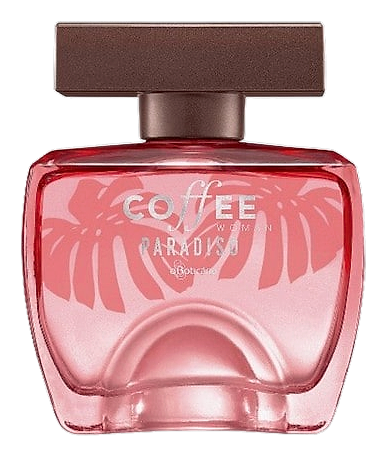
Richard Herpin was fascinated by the woody smell of his father's sculpture workshop, sawdust, shavings, the quiet exhale of raw material becoming something. That memory became the foundation for Cashmere Wood, the note that defines Coffee Woman Paradiso. Creamy, sophisticated, with a texture you can almost feel against skin. The Coffee Woman line has always been aboutBrazilian botanical pride, not importing a trend, but claiming tropical richness as its own. This 2016 release continues that conversation.
The coffee isn't a gimmick here. It's a signature. Coffee Woman Paradiso layers green notes and rose to keep the sweetness from tipping into syrup, and the result is modern without being gimmicky. Cashmeran adds a plush, almost tactile quality, the drydown feels like cashmere against skin rather than fragrance applied to it. Sophisticated and warm, without trying to be anything other than what it is.
The evolution
The opening arrives bright, red fruit sweetness, a flash of raspberry and strawberry. Then the coffee grounds settle in, not announcing itself but present, grounding the sweetness that might otherwise feel flighty. The heart builds around sugar and rose, violet threading through, but green notes keep it from becoming a marshmallow. The drydown is where this fragrance earns its name. Amber, vanilla, and cashmeran wrap the skin in warmth. Musk adds intimacy. Coffee lingers quietly beneath, not the star anymore, but there, a reminder of what opened the whole thing. This stays close, warming rather than filling a room. On most skin, it holds through an afternoon and into evening.
Cultural impact
Coffee Woman Paradiso arrives within a broader movement to celebrate Brazilian perfumery beyond commodity ingredients. O Boticário's Coffee Woman line taps into national pride around coffee as a cultural symbol, positioning the fragrance as wearable nostalgia for Brazil's agricultural identity. The timing of the 2016 launch coincides with increased global interest in niche and regional fragrance houses, giving the brand a chance to stand out in a crowded market. The warm, sweet profile reflects a specific taste preference common among Brazilian consumers who favor gourmand and oriental compositions over fresh or aquatic scents.