The Story
Why it exists.
The beginning
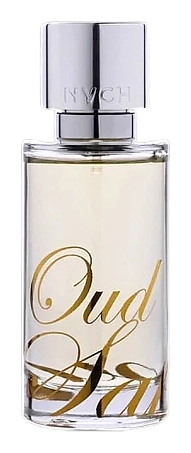
Nych Perfumes launched in the UAE in 2022 with a clear mandate: translate the landscapes of the UAE into wearable form. Amber Sahara emerged as the house's amber anchor, conceived during the brand's debut collection as an olfactory map of the country's endless horizons. The perfumer drew from deep Arabian aromatic traditions, using artemisia and davana as opening materials that honor regional herbal heritage. From the herbal opening through oud and incense at the base, every material was selected to capture something essential about the desert experience.
Amber Sahara uses oud as its gravitational anchor rather than the more common tonka or vanilla that dominates Western amber fragrances. This choice reflects the perfumer's intent to honor Arabian perfumery traditions while creating something distinct. The cumin and davana pairing adds an aromatic-spicy dimension rarely found in amber-focused compositions, creating complexity that rewards sustained wear. The incense and castoreum in the drydown ensure the fragrance evolves meaningfully from first spray to final hour on skin.
The evolution
The fragrance opens as an aromatic herb garden where artemisia and davana lead with green, slightly sweet botanical notes. Ambrette and coriander soften this, adding musky warmth and citrus spice that keep the opening approachable. Within the first hour, oud and patchouli arrive as the dominant force, their resinous woodiness taking over while rose and cypriol add complexity beneath. Cumin introduces an unexpected spicy warmth that bridges the bright opening and dark heart. By the fourth hour, incense and styrax emerge for smoke and resin, while amber, castoreum, and musk create a warm, intimate drydown that feels personal rather than broadcast.
Cultural impact
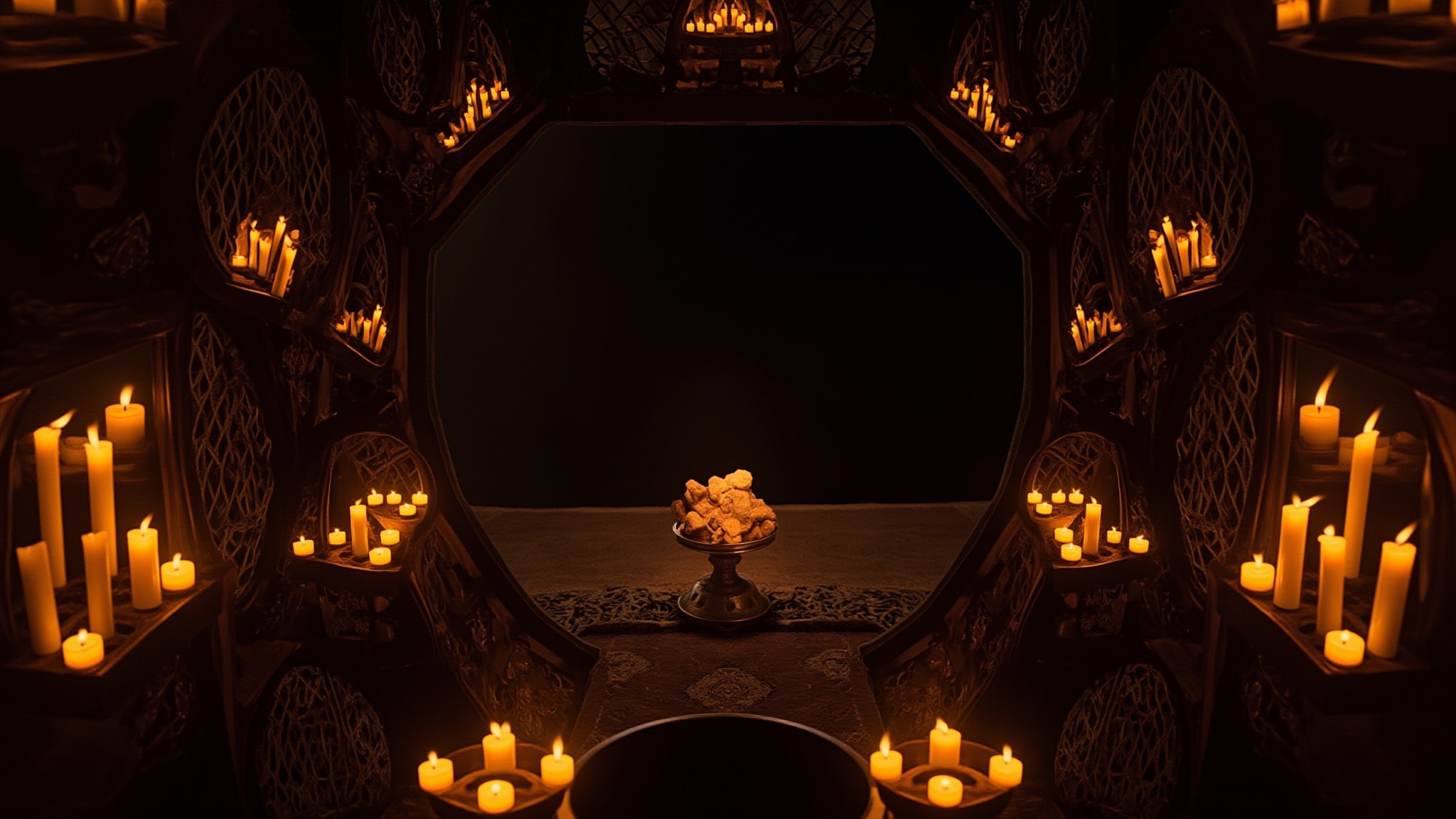
Amber Sahara reflects a growing fascination with desert-inspired narratives in contemporary perfumery, echoing the cultural resurgence of Middle Eastern motifs in fashion and design. Its blend of artemisia, coriander, and ambrette evokes the arid flora of the Sahara, while the smoky incense and oud reference traditional incense rituals used in celebrations across North Africa and the Arabian Peninsula. By integrating these elements, the fragrance bridges modern minimalist aesthetics with historic sensory practices, inviting wearers to experience a subtle homage to nomadic heritage. The scent’s reception highlights a broader consumer desire for stories that connect personal identity to place, reinforcing how perfume can act as a cultural conduit in a globalized market.