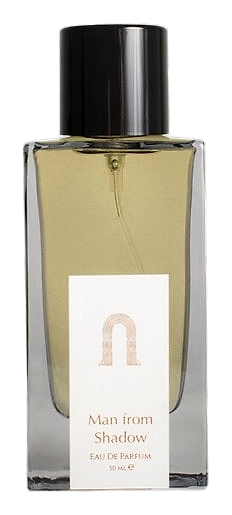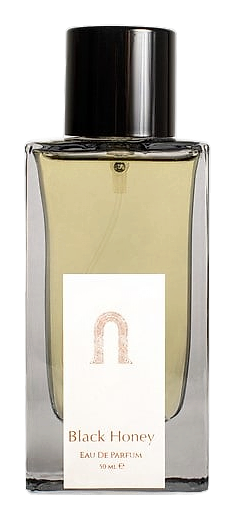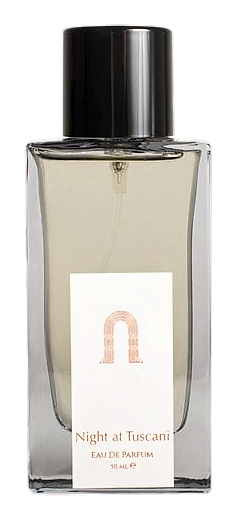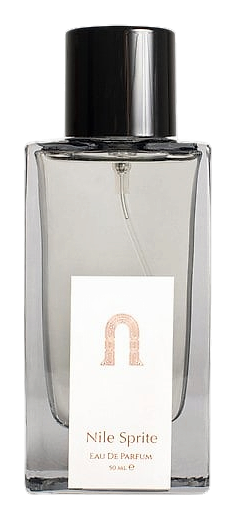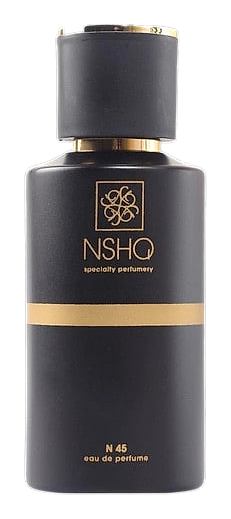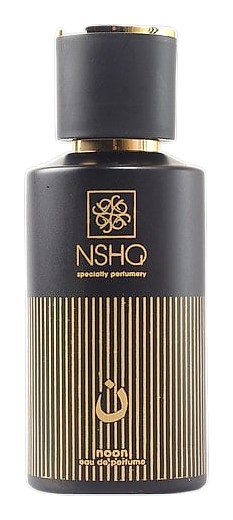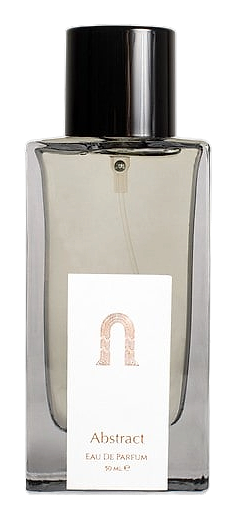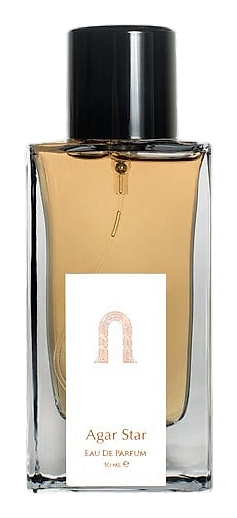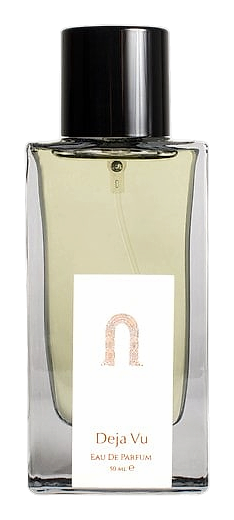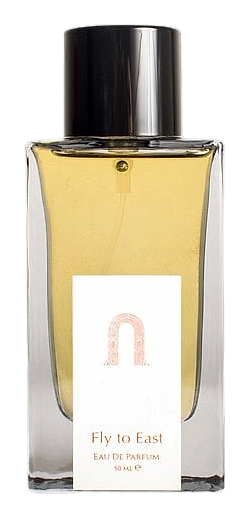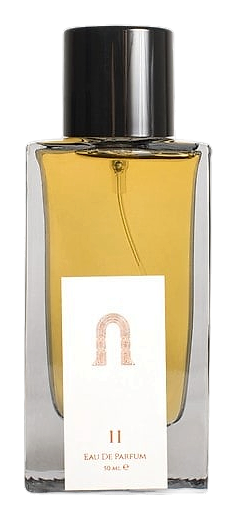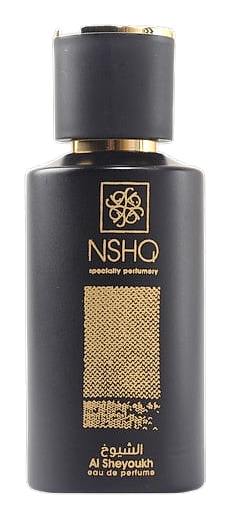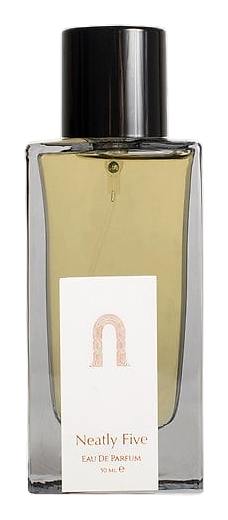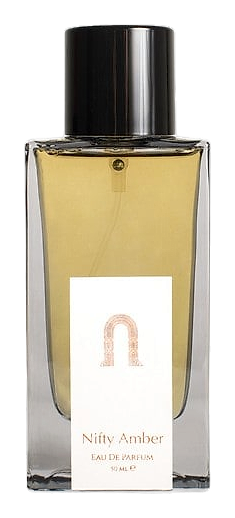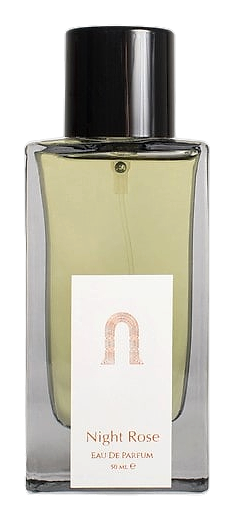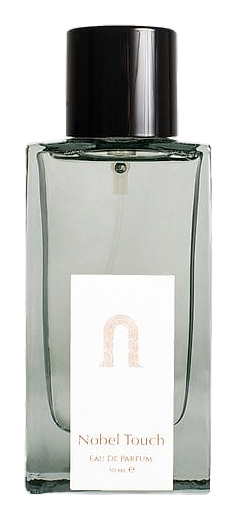
The Story
Why it exists.
The beginning
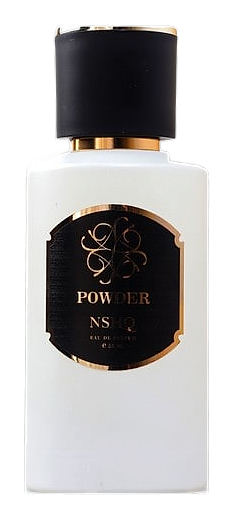
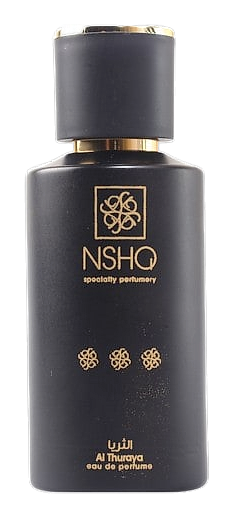
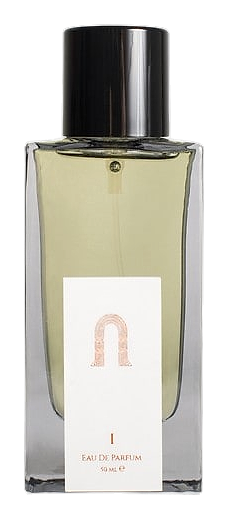
I arrived in 2019 through Nouf Al Qahtani, who described it as born from the meeting of warmth and pleasantness. That idea sits neatly in the formula: saffron and bergamot bring light, carnation gives the opening a clipped, formal edge, and rose, tulip, and jasmine soften the center. The composition moves from a bright, lightly spiced introduction into a fuller floral heart before settling into a warm woody base. Its name leaves room for the fragrance itself to carry the focus, revealing how each familiar note changes as the scent opens, shifts, and settles close to the skin.
The interesting part is how much the composition changes its temperature without losing its shape. Bergamot lends citrus brightness beside the more intense saffron and carnation. Rose, tulip, and jasmine introduce tenderness, but oud, patchouli, cedar, cashmere wood, and sandalwood keep the flowers from floating away. Vanilla, amber, and musk then turn the drydown warm and polished. It's a familiar set of materials, yet the balance matters: floral brightness on top, wood underneath, and sweetness held in check.
The evolution
At first, the impression is clean heat. Bergamot lifts the saffron with a bright, citrus-like lift, while carnation adds a dry, almost tailored floral edge. Within the opening phase, the scent doesn't linger in pure brightness; jasmine, tulip, and rose begin to broaden it, turning crisp spice into a softer floral exchange. The middle is where I finds its balance, with tender flowers laid over a structure that already feels woody. As the day moves on, oud and patchouli bring darker depth, cedar, sandalwood, and cashmere wood smooth the edges, and vanilla, amber, and musk leave a warm trail close to skin. The drydown settles into an intimate rather than loud finish, with the woody amber base doing most of the remembering as the earlier floral notes gradually recede.
Cultural impact
I is presented through a warm floral-woody composition that moves from bright saffron and bergamot into carnation, rose, tulip, and jasmine before settling over oud, patchouli, cedar, sandalwood, cashmere wood, vanilla, amber, and musk. The contrast between clipped floral opening, soft floral center, and darker woody base gives the fragrance a clear shape on the skin. Its exploration invites attention to how the notes exchange intensity over time, from clean heat and dry spice to a close, warm finish.
The House
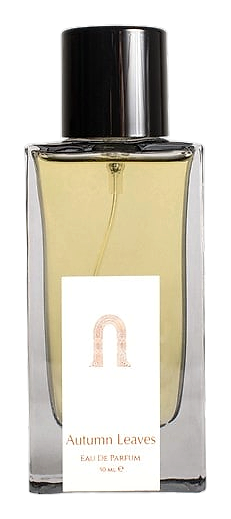
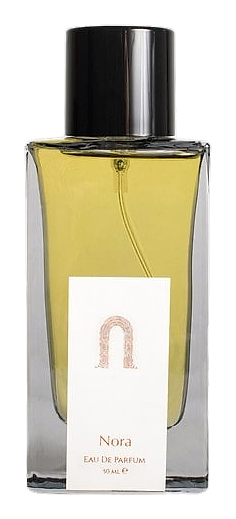
NSHQNSHQ is a Saudi Arabian perfume design house that emerged in 2005 under the direction of Nouf Al Qahtani, who is frequently cited as the kingdom’s first female perfume creator. The brand offers a compact yet diverse catalogue that includes releases such as Nora (2018), Nile Sprite (2019), Summer Snow (2019), Patchouli Concert (2019), Autumn Leaves (2019), Black Honey (2019), Night In Tuscany (2019) and the earlier NSHQ Spray (2010). Each scent is presented as a personal narrative, aiming to capture moments that range from the quiet of a desert night to the vibrancy of a summer garden. Though the house remains modest in size, its focus on story‑driven compositions has earned it a niche following among collectors who value regional perspective blended with contemporary olfactory techniques.
The Creator
Nouf Al QahtaniAl Qahtani favors a forceful, material-rich palette centered on oud, sandalwood, and allied woody accords. El Santal points toward her preference for creamy sandalwood structures, while De Feu reveals a more confrontational register built around animalic oud.