The Story
Why it exists.
The beginning
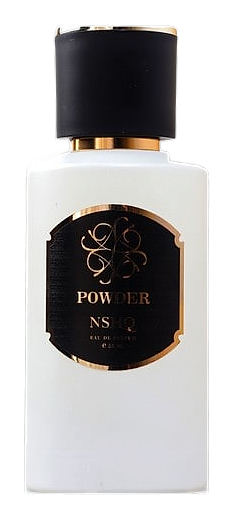
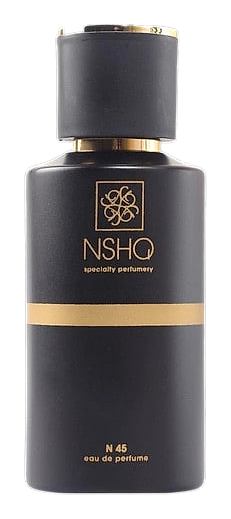
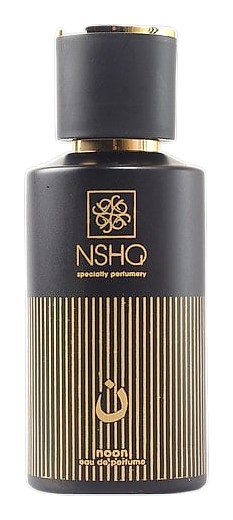
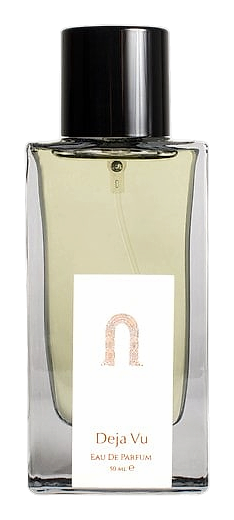
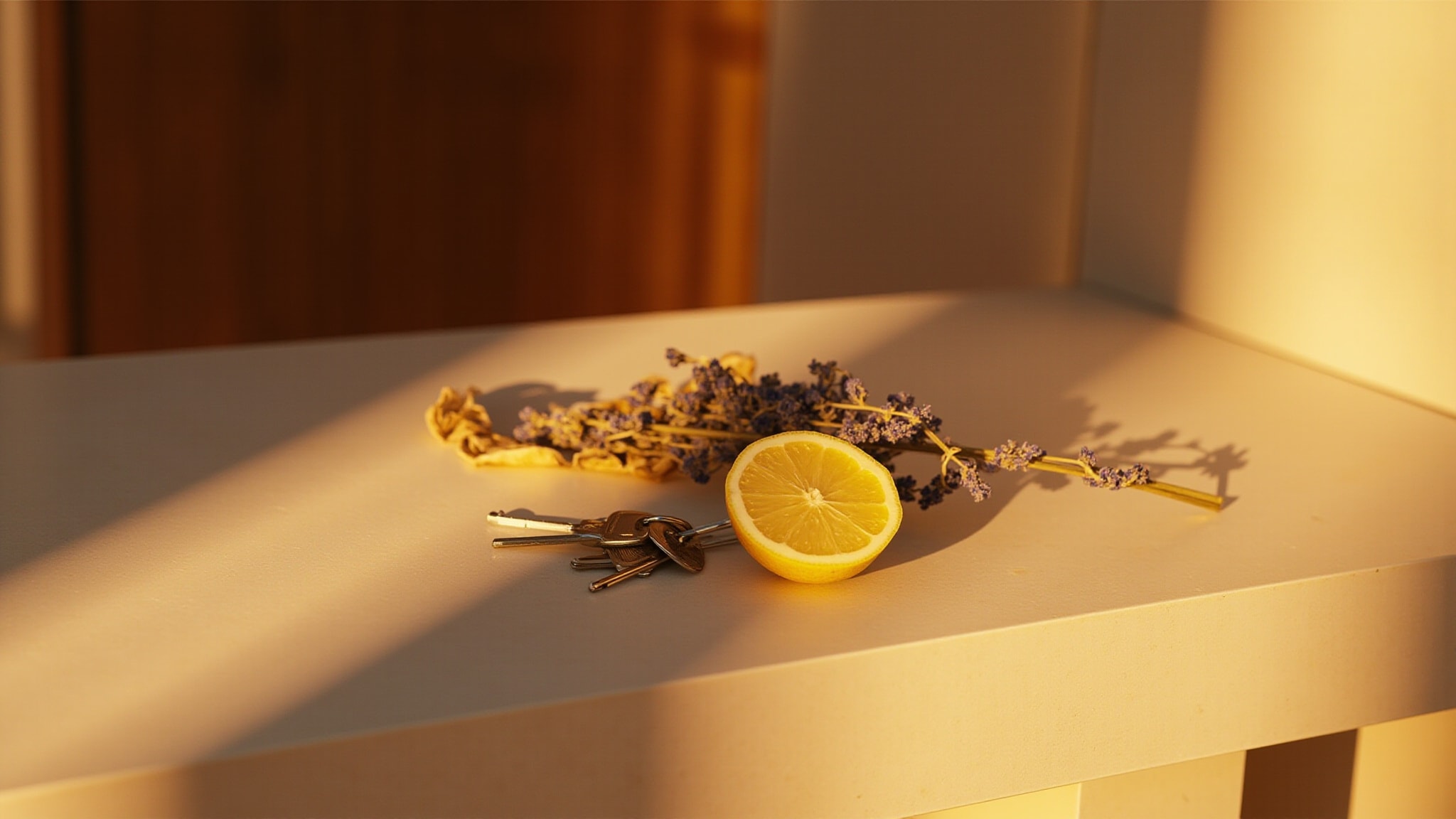
Deja Vu came from NSHQ, a Saudi Arabian perfume design house. Its composition moves between contrasting materials with an ease that makes the familiar name feel open to interpretation. Lemon and carnation establish a bright, lightly spiced character, with citrus giving way to a pointed floral accent. Lavender introduces a cooler herbal character, while patchouli deepens the fragrance with earthy, tactile weight. The result is poised rather than obvious, balancing freshness against grounded materials. It is a scent built around contrasts, where lemon, floral spice, lavender, patchouli, and the deeper notes of cedar, vanilla, and vetiver meet without settling into one predictable mood.
The interesting part is the handoff between materials that seem to belong to different wardrobes. Lemon gives the opening a clean flash, while carnation brings a pointed floral spice. Lavender softens the edge without making it sweet, and patchouli adds earthy weight that complements the brighter materials. Cedar gives the composition a dry structure, vetiver contributes a grassy, woody quality, and vanilla rounds the finish with gentle warmth. Together, the notes create a fragrance that feels both polished and grounded. It's familiar in the best sense, but never predictable.
The evolution
Lemon cuts through first, bright and clean, while carnation adds a slightly peppered floral pulse. Lavender brings a cooler herbal character, and patchouli settles the composition toward earth and damp soil. Cedar gives the scent a more upright structure, while vetiver adds a dry grassy edge. Vanilla softens the base without removing its depth, allowing the brighter materials to sit alongside a warm, woody foundation. As the fragrance wears, the character becomes less about sparkle and more about texture: wood, patchouli, vanilla, and vetiver share the composition, creating a close, composed impression.
Cultural impact
Deja Vu can be understood through its fragrance composition rather than unsupported cultural positioning. Its note structure brings together lemon, carnation, lavender, patchouli, cedar, vetiver, and vanilla in a deliberately contrasting arrangement. The citrus opening and floral spice meet a cooler herbal center, followed by earthy, dry, and woody materials with a soft vanilla finish. This combination gives the scent a distinctive place within contemporary fragrance, especially for its balance of brightness and grounded texture.
The House
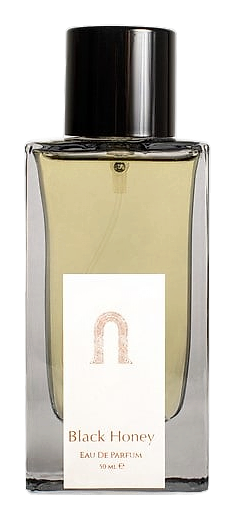
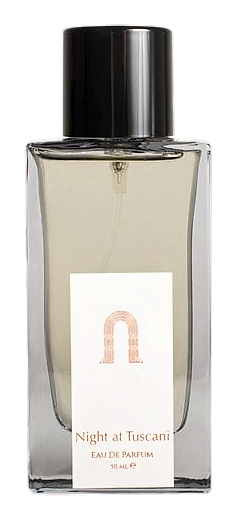
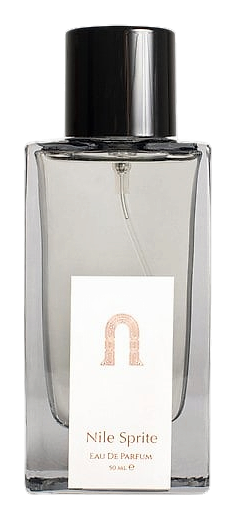
NSHQNSHQ is a Saudi Arabian perfume design house that emerged in 2005 under the direction of Nouf Al Qahtani, who is frequently cited as the kingdom’s first female perfume creator. The brand offers a compact yet diverse catalogue that includes releases such as Nora (2018), Nile Sprite (2019), Summer Snow (2019), Patchouli Concert (2019), Autumn Leaves (2019), Black Honey (2019), Night In Tuscany (2019) and the earlier NSHQ Spray (2010). Each scent is presented as a personal narrative, aiming to capture moments that range from the quiet of a desert night to the vibrancy of a summer garden. Though the house remains modest in size, its focus on story‑driven compositions has earned it a niche following among collectors who value regional perspective blended with contemporary olfactory techniques.
The Creator
Nouf Al QahtaniAl Qahtani favors a forceful, material-rich palette centered on oud, sandalwood, and allied woody accords. El Santal points toward her preference for creamy sandalwood structures, while De Feu reveals a more confrontational register built around animalic oud.