Nouf Al Qahtani
Nouf Al Qahtani is widely described as the first female Saudi perfumer and the founder of NSHQ, a fragrance house she established in 2005. Working from Saudi Arabia, she has built a distinctive place for bold, concentrated perfume in a market often associated more with commercial scent than individual artistic authorship. Her career offers a rare portrait of a woman defining her creative practice from within her own region. Public details about her formal training remain limited, so her biography is best understood through her work: composing with conviction, respecting materials, and refusing to soften the force of oud for a cautious audience. El Santal is her best-known creation and offers a clear expression of this assured style.
The hits
Notable creations
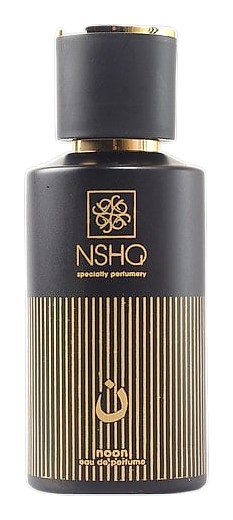
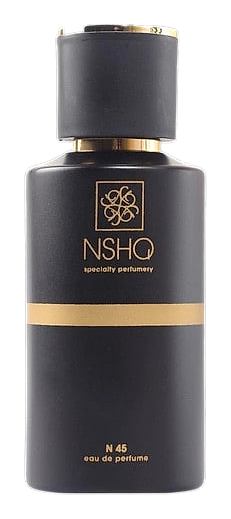
The signature
How Nouf composes
Al Qahtani favors a forceful, material-rich palette centered on oud, sandalwood, and allied woody accords. El Santal points toward her preference for creamy sandalwood structures, while De Feu reveals a more confrontational register built around animalic oud. The compositions seem designed for lovers of perfume who want depth, density, and a clear point of view, rather than a light, versatile signature. Her method appears to preserve the bite of raw materials, then build a richer and more polished trail around them. That gives her work a distinctive tension between austerity and comfort: challenging at first, but rewarding for those willing to stay with it.
Philosophy
What drives Nouf
Al Qahtani’s work appears guided by conviction rather than broad appeal. She treats powerful materials as personalities rather than background effects, allowing oud, woods, resins, and animalic accords to speak with unusual directness. That choice can feel severe, especially in the opening, but the severity suits a perfumer unwilling to disguise the character of her ingredients. Her approach places precision before prettiness and suggests that fragrance should reward a wearer’s taste, not merely flatter the skin. The result is intimate in one sense, because scent follows the body, yet commanding in another, demanding attention and experience. She represents an independent vision of perfumery shaped by Saudi culture without relying on easy cultural shorthand.
The houses