
The Story
Why it exists.
The beginning
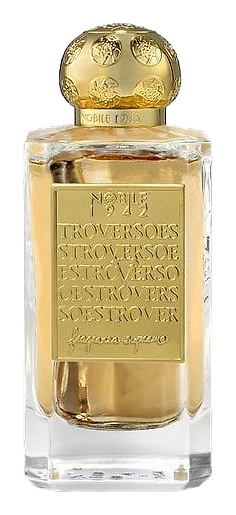
Estroverso arrived in 2010, designed by perfumer Karine Vinchon-Spehner for Nobile 1942. The name itself is a small philosophy, 'estro' meaning an artist's emotional tension toward an idea, 'verso' meaning toward. It frames fragrance as the collision between feeling and form, between what moves you and what you do about it. Estroverso takes that inheritance and asks: what does it mean to channel emotion into something you can wear? The answer lives in the tension between the bright, almost aggressive citrus opening and the measured, aromatic heart that follows. It's a fragrance about restraint as a form of expression. The citrus opening hits with an immediate burst of lemon and mandarin, sharp and almost acidic, with a sweetness underneath that one reviewer compared to lemon candy.
What makes Estroverso structurally interesting is the hand-off between citrus and herb. The mandarin and lemon aren't just making an entrance; they're setting up the artemisia and rosemary that follow. Those green, slightly bitter notes create a bridge to the cedar and patchouli base, so the fragrance never lurches from one accord to another. The amber and musk settle in gradually, softening the edges, turning the citrus-herbal structure into something powdery and intimate.
The evolution
The opening is all citrus, but it's not the polite citrus of summer colognes. The lemon has teeth, sharp, almost acidic, with a sweetness underneath that one reviewer compared to lemon candy. The mandarin softens it slightly, but you're mostly aware of the brightness, the almost aggressive clarity of the opening. Then the artemisia arrives, and everything shifts. The citrus doesn't vanish, but it recedes, becoming part of a green, slightly medicinal landscape. Rosemary adds an herbal dimension that smells like the moment before a storm, clean, charged, alive. Cedar appears, and this is where the fragrance transforms. The sharp opening gives way to something woody and calm. Patchouli and vetiver anchor the drydown, but it's the amber and musk that define the final hours, powdery, warm, close to the skin.
Cultural impact
Estroverso sits in the Nobile 1942 catalog as something more measured and controlled than the house's more theatrical releases. It's the fragrance for someone who wants the brand's emotional depth without the performance. The citrus-woody structure places it in conversation with classical aromatic fragrances, but the artemisia note gives it an edge that separates it from the pack.