
The Story
Why it exists.
The beginning
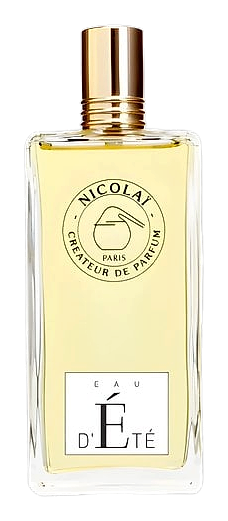
Eau d'Été arrived in 1997 as part of a trilogy, the Nicolai house calling it the Eaux Fraches collection. The name itself is a statement: summer water, but elevated. Not a beach cliché or a poolside afterthought. Patricia de Nicolaï was building a vocabulary here, taking the familiar citrus template and threading it through something warmer, spicier, less predictable. The citrus opens bright and tart, the grapefruit giving it an almost sharp edge that keeps the fragrance from settling into something comfortable too quickly. As the top notes begin to soften, the warmth underneath starts to emerge, revealing the jasmine and cinnamon that form the heart of this composition.
What makes this composition unusual is how it handles the citrus-to-spice transition. The cinnamon arrives early, weaving into the heart alongside jasmine while the citrus is still audible. That overlap, tart and warm, fresh and spiced, is where the fragrance lives. Jasmine adds a creamy floral element that the citrus almost resists, creating a tension that keeps the heart from becoming predictable. Benzoin at the base doesn't ground it so much as wrap it, a soft resinous finish that keeps the skin warm long after the top notes fade.
The evolution
The opening hits like cold seltzer, sharp, carbonated, alive. Lime leads with a tart bite, grapefruit follows with a slightly bitter edge, and orange oil brings a rounder quality to the top that prevents the citrus from becoming too angular. The citrus layer doesn't disappear but evolves, becoming part of a richer tapestry as the heart develops. Jasmine arrives with a creaminess that the citrus almost resists, and the cinnamon underneath keeps the whole thing from becoming precious. This is where the fragrance earns its name, the warmth of summer afternoon bleeding into evening. The drydown takes its time. Musk and benzoin arrive quietly, creating a skin-close warmth that doesn't project aggressively but lingers. The fragrance settles into something comfortable and persistent, the spiced floral heart giving way to a soft resinous base that stays close to the skin.
Cultural impact
Eau d'Été occupies a specific space in the Nicolai catalog, a citrus fragrance that refuses the usual tradeoff between freshness and warmth. The 1997 release sits within the Eaux Fraches trilogy, a collection that explores different expressions of citrus-forward perfumery. This particular composition works because it doesn't treat freshness as a temporary state. The citrus opens with genuine sharpness, but the fragrance refuses to remain there, building toward a heart where jasmine and cinnamon create something warmer and more complex.