
The Story
Why it exists.
The beginning
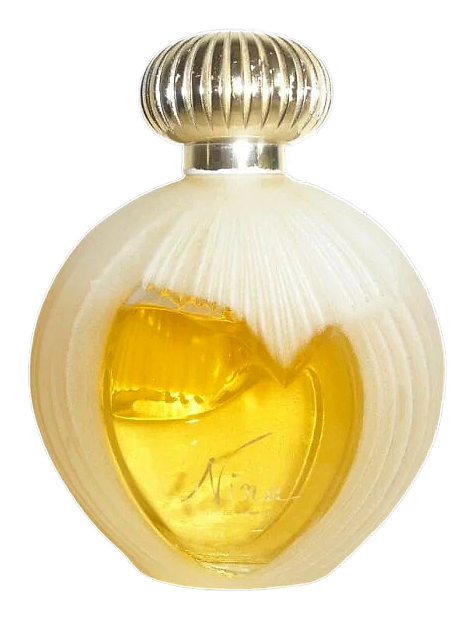
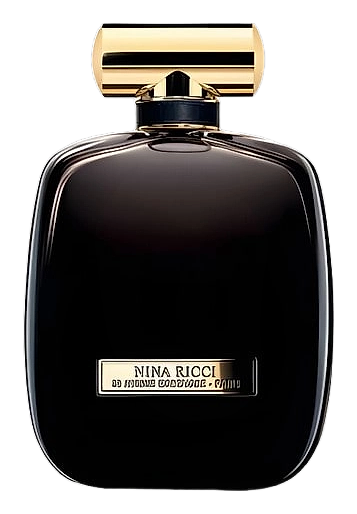
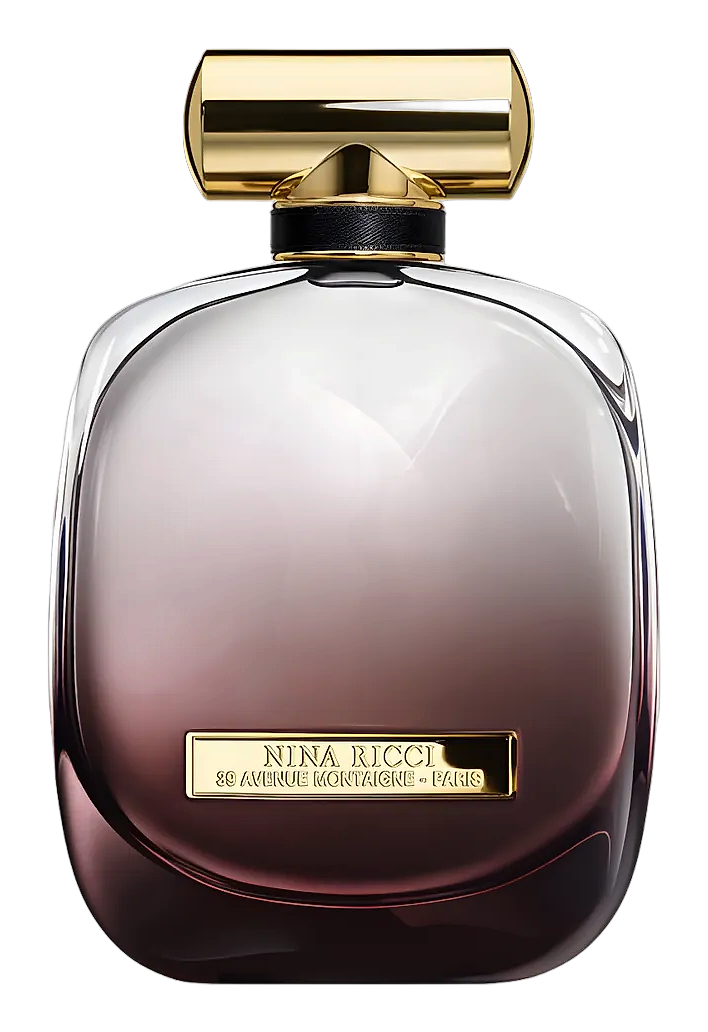
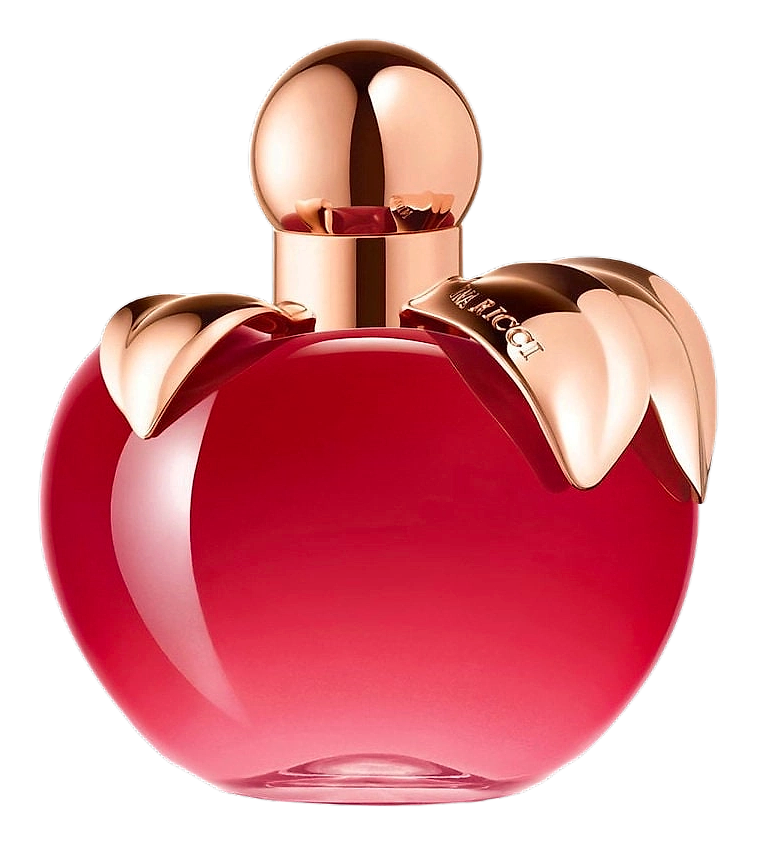
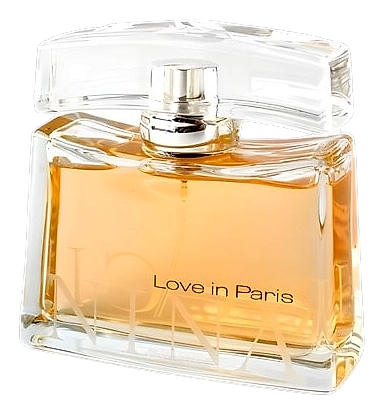
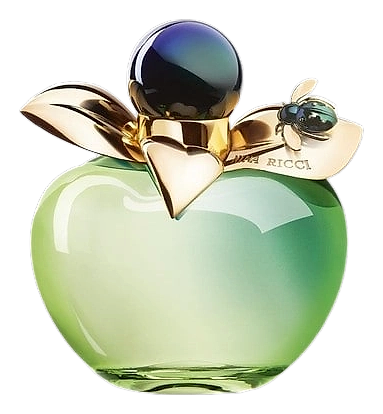
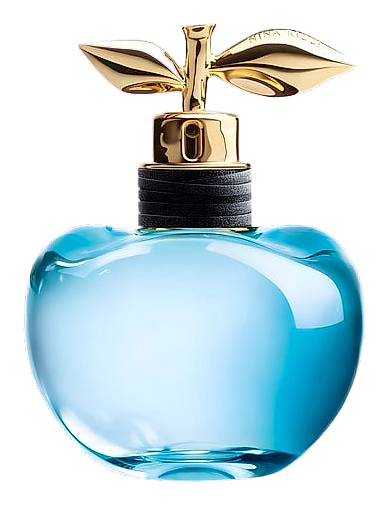
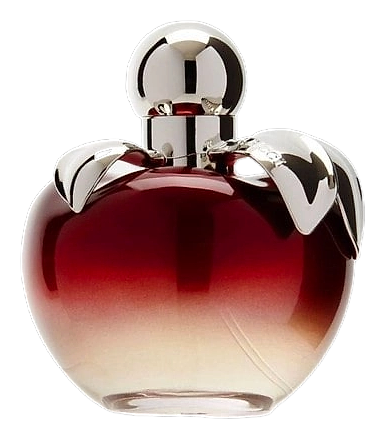
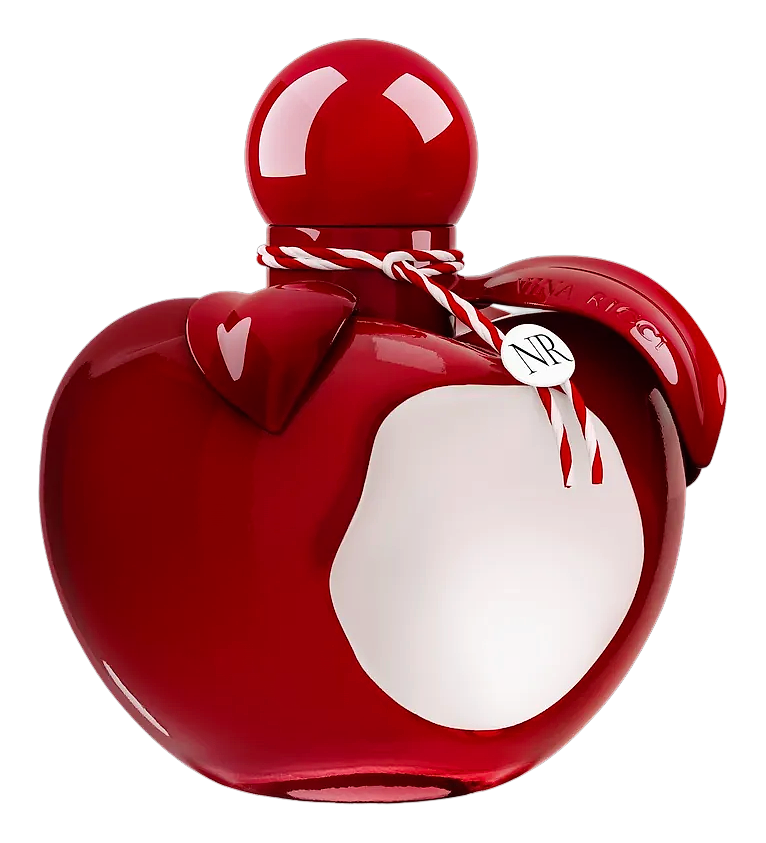
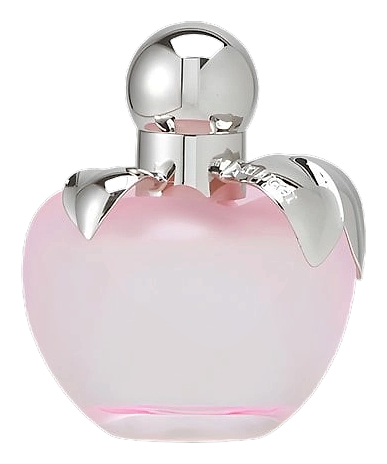
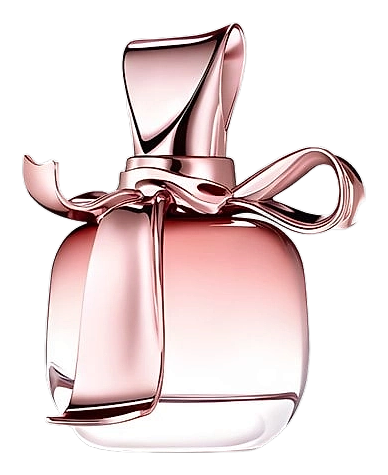
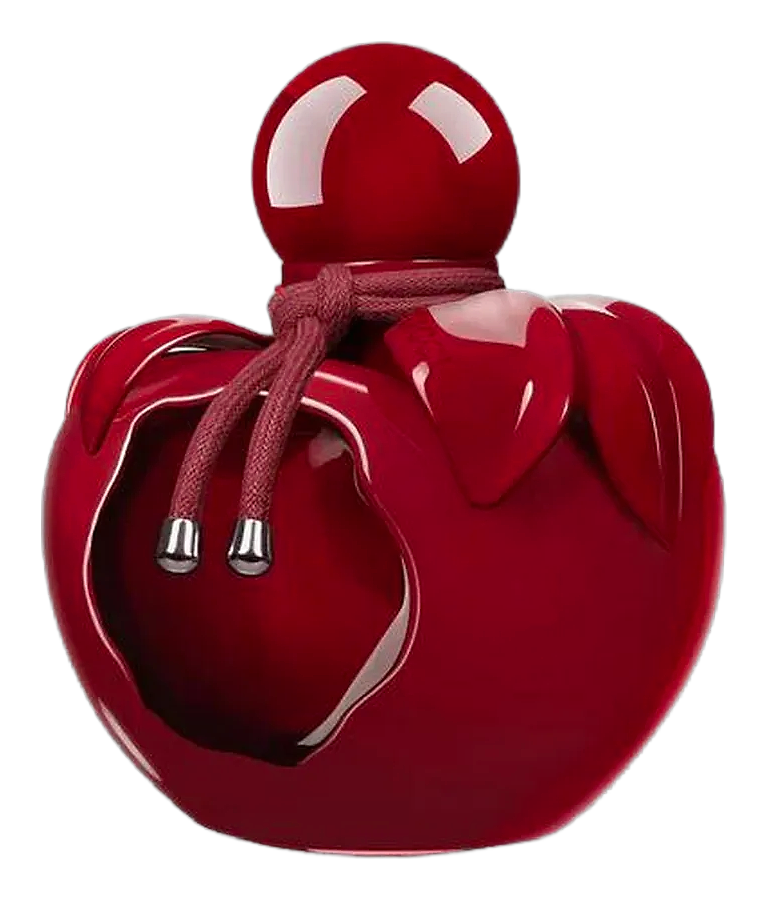
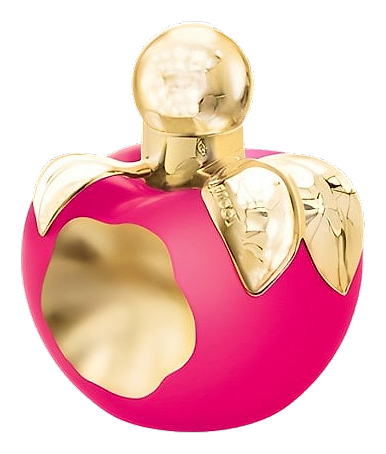
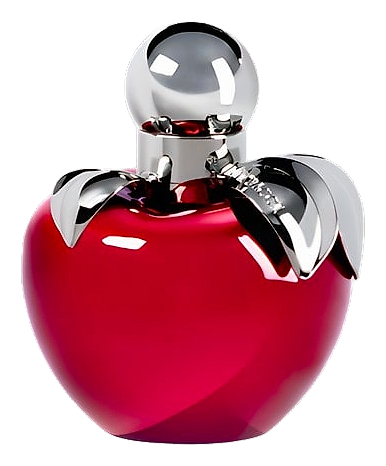
In 2007, Nina Ricci released a collector's bottle, a prestige edition of the original Nina, launched just a year prior. Jacques Cavallier Belletrud and Olivier Polge, the same hands behind the 2006 composition, returned to refine what had already worked. The brief wasn't invention. It was elevation. A finer flacon, a tighter composition, a moment for collectors and devotees who wanted something more permanent than a seasonal flank.
What makes this edition worth knowing is the praline-to-apple pairing at its center. Green apple gives it a crispness that keeps the sweetness honest, not synthetic, not heavy. The praline sits beneath it like a base note from the start, never quite revealing itself but always present. Peony and datura add that slightly intoxicating floral depth that separates a prestige edition from a standard one. It's the difference between a composer and an arranger, same notes, different intention.
The evolution
The opening is all lemon and lime, sharp, bright, the kind of citrus that reads like morning light on bare skin. Within twenty minutes, the green apple arrives and the praline follows close behind, softening the edges into something rounder and more intimate. The peony doesn't announce itself, it builds quietly beneath the fruit, adding a white floral warmth that shifts the whole composition from fresh to feminine. By the third hour, the apple blossom and white cedar take over, settling into a skin-close drydown that musk anchors for another two to three hours. On fabric, it lasts longer. On skin, it becomes intimate faster.
Cultural impact
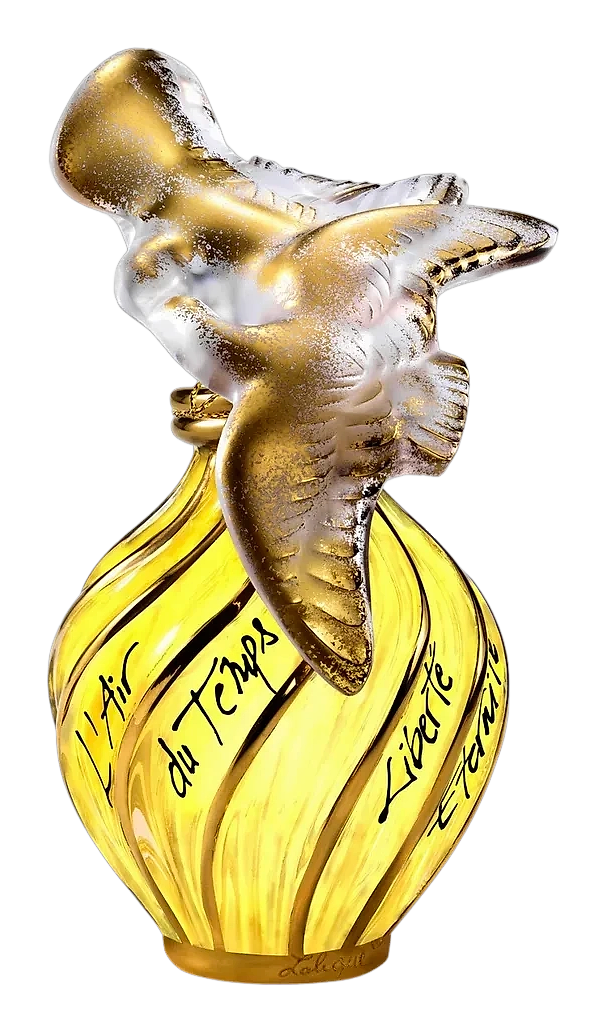
Nina Prestige Edition sits within a house known for romantic, feminine fragrances, L'Air du Temps being the cornerstone since 1948. This 2007 collector's edition appealed to a specific type of wearer: someone who wanted heritage and refinement in a finer flacon. It didn't try to compete with the louder florals of the era. It simply held its ground and waited for the right person to find it.
The House
Nina RicciNina Ricci is a Parisian fashion house founded in 1932 by Italian-born designer Maria "Nina" Ricci and her son Robert Ricci. The house began as a couture salon on Rue Haussmann, quickly establishing a reputation for refined, feminine gowns with romantic sensibility. Robert established an in-house perfume division in 1941, though the first fragrance would not arrive until 1946. That inaugural scent, Coeur Joie, marked the beginning of a partnership with Lalique that would define the house's olfactory identity. The house introduced its most celebrated fragrance, L'Air du Temps, in 1948, a scent that remains in production decades later. Puig acquired Nina Ricci in 1998, bringing the house under the same ownership that manages Carolina Herrera and Jean Paul Gaultier. Today, the fragrance collection spans from timeless classics to contemporary offerings like the Nina line, maintaining the house's commitment to feminine elegance.
The Creator
Jacques Cavallier Belletrud & Olivier PolgeCavallier-Belletrud commands citrus and marine accords with particular authority, finding unexpected freshness in materials others use decoratively. He applies a rigorous naturalism to masculine and genderless compositions, favoring transparency and restraint when a brief allows.