
The Story
Why it exists.
The beginning
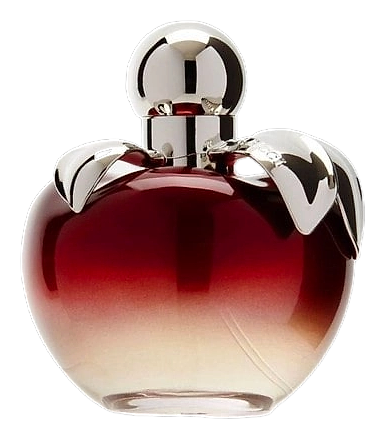
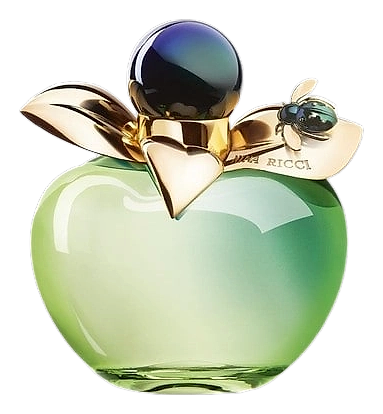
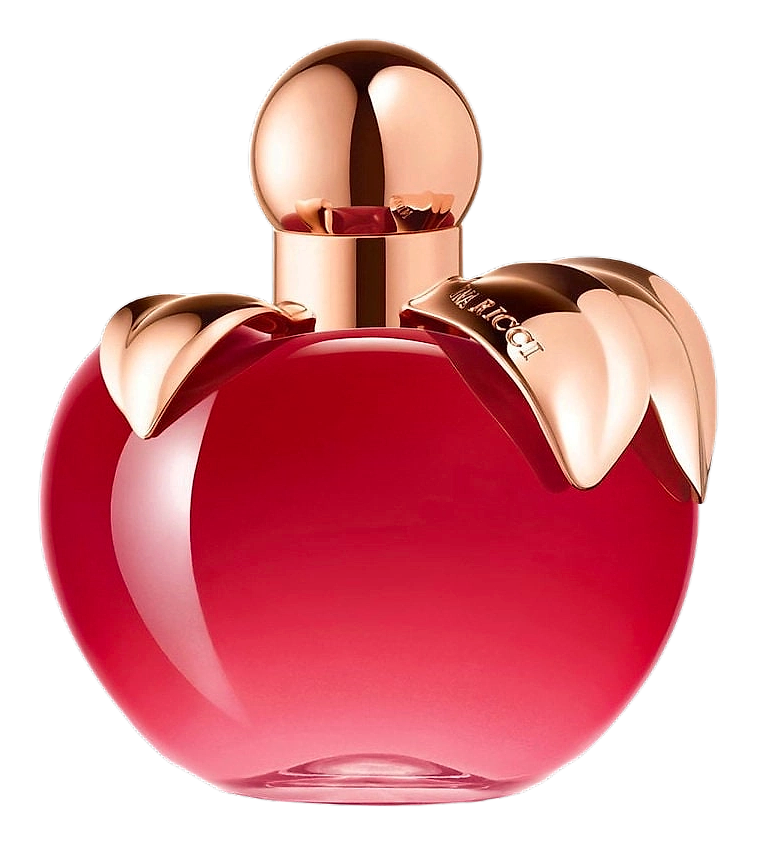
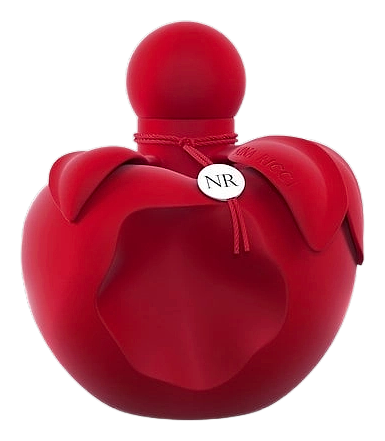
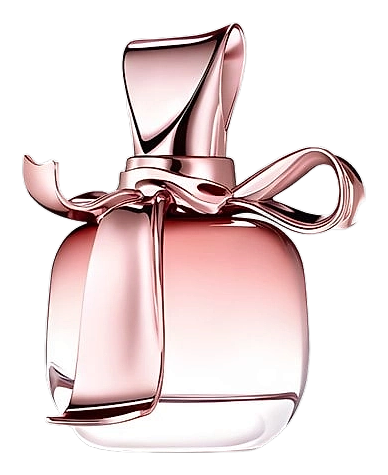
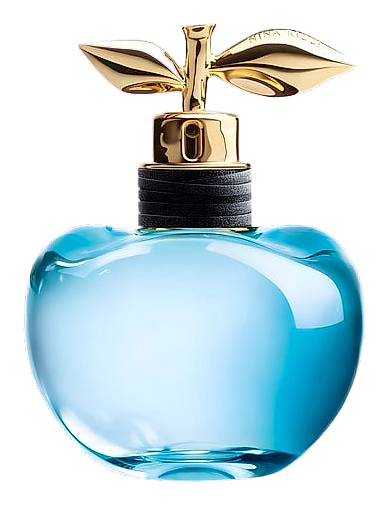
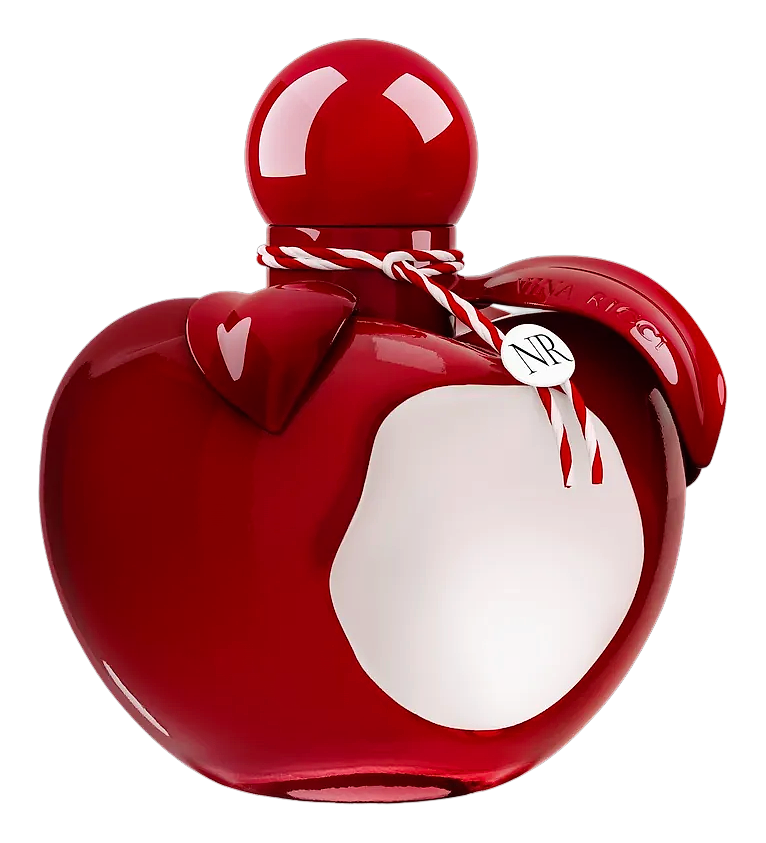
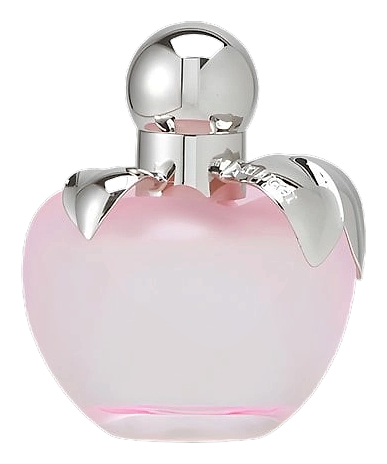
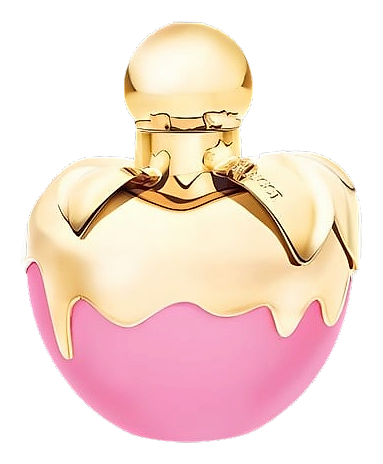
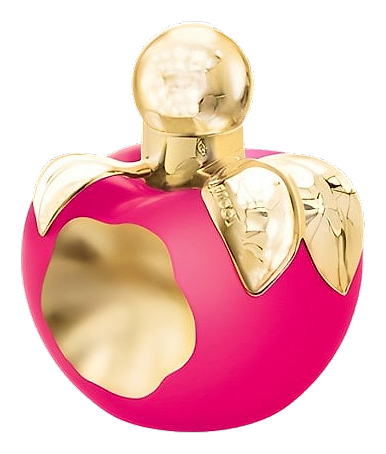
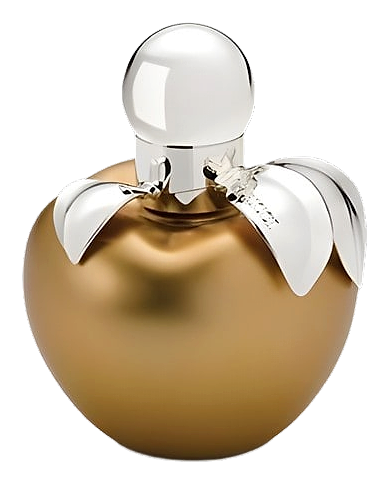
Nina Ricci launched Gold Edition in 2008 as a limited holiday expression of its signature Nina fragrance, the one that arrived in a golden apple bottle. Olivier Cresp and Jacques Cavallier-Belletrud composed the juice, building on the house's long tradition of romantic femininity translated into liquid form. The concept was straightforward: take everything that made Nina beloved, the fruity sweetness, the approachable warmth, and gild it. Literally. The limited edition positioning made it a seasonal objet d'art as much as a fragrance, the kind of bottle collectors reached for and newcomers discovered by scent alone.
What distinguishes Gold Edition from its predecessor is the deepening of the gourmand register. The praline note doesn't whisper, it arrives with genuine warmth, caramelized and edible without tipping into sickly. Paired with green apple, it creates a candied fruit impression that feels intentional rather than accidental. The peony heart provides breathing room, keeping the sweetness from overwhelming by introducing a soft floral counterpoint that reads as elegant rather than juvenile. Applewood in the base grounds everything, giving the sweetness somewhere to land and warm against skin rather than evaporating into thin air.
The evolution
The opening arrives sparkling, lemon and lime hit bright and clean, the kind of citrus that reads as laughter rather than cleaning product. It doesn't linger. Within minutes the praline and green apple take over, and suddenly you're in gourmand territory: sweet, warm, slightly caramelized. The peony floats underneath, softening what could be aggressive sweetness into something that feels polished. By the third hour the applewood and cedar arrive, quiet and close. Musk keeps it intimate rather than projecting. On fabric it lasts longer, the praline note can be detected the next morning on a scarf, faint and warm, like evidence of a good night.
Cultural impact
Gold Edition arrived in 2008 as a limited holiday release, positioning itself as a collector's piece within the Nina Ricci fragrance line. The golden apple bottle design had already become iconic with the original Nina, and the Gold Edition amplified that symbolism, luxury as objet d'art, fragrance as a seasonal gift rather than an everyday purchase. The composition itself leaned into what was already working: fruity-gourmand sweetness with romantic florals, reflecting the house's consistent emphasis on feminine warmth and approachability over complexity or challenge.
The House
Nina RicciNina Ricci is a Parisian fashion house founded in 1932 by Italian-born designer Maria "Nina" Ricci and her son Robert Ricci. The house began as a couture salon on Rue Haussmann, quickly establishing a reputation for refined, feminine gowns with romantic sensibility. Robert established an in-house perfume division in 1941, though the first fragrance would not arrive until 1946. That inaugural scent, Coeur Joie, marked the beginning of a partnership with Lalique that would define the house's olfactory identity. The house introduced its most celebrated fragrance, L'Air du Temps, in 1948, a scent that remains in production decades later. Puig acquired Nina Ricci in 1998, bringing the house under the same ownership that manages Carolina Herrera and Jean Paul Gaultier. Today, the fragrance collection spans from timeless classics to contemporary offerings like the Nina line, maintaining the house's commitment to feminine elegance.
The Creator
Olivier Cresp & Jacques Cavallier BelletrudCresp's signature style often features a blend of fresh, clean notes with warm, comforting accords. He's known for his masterful use of fruit notes, particularly fig and berries, which he often combines with florals and musks to create scents that are both inviting and sophist…