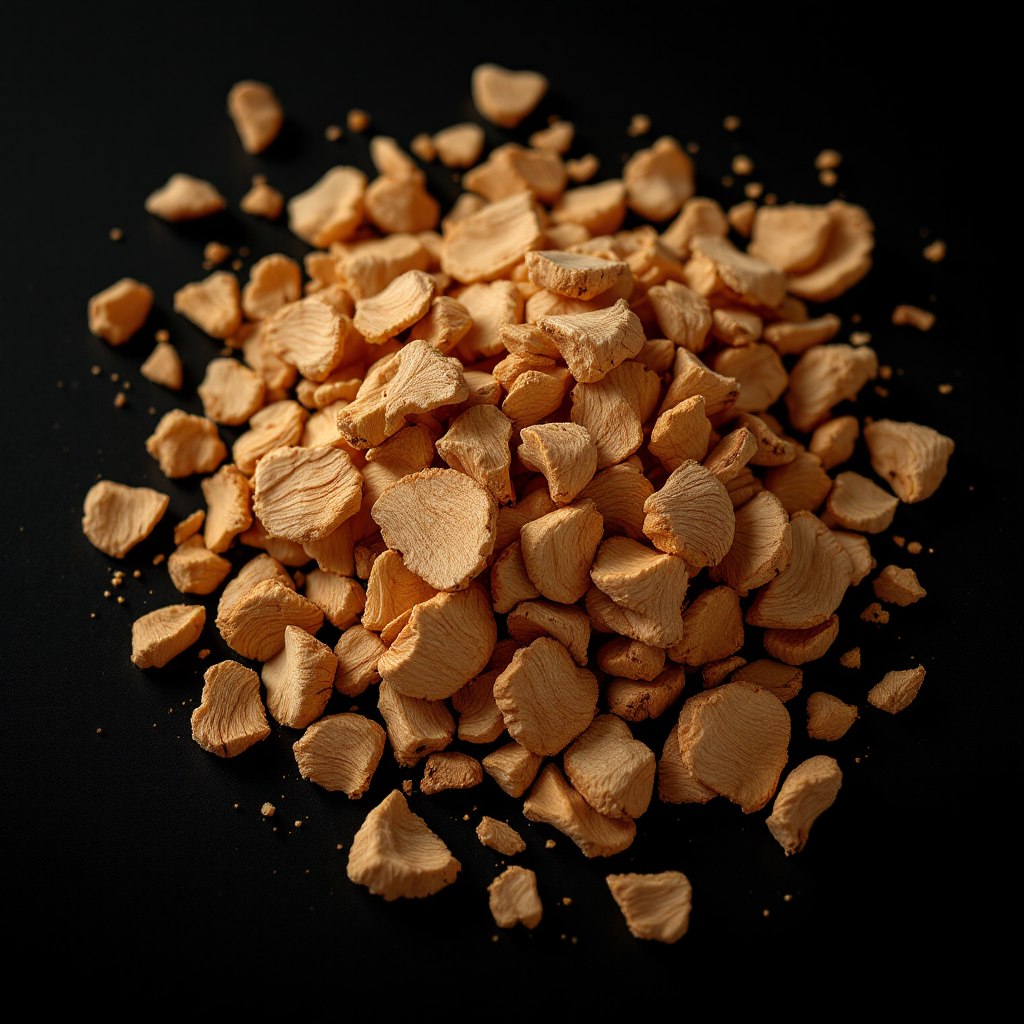
Applewood
Applewood is a warm, sweet wood absolute with a distinctive fruity-fresh character that adds unexpected depth to fragrance compositions.
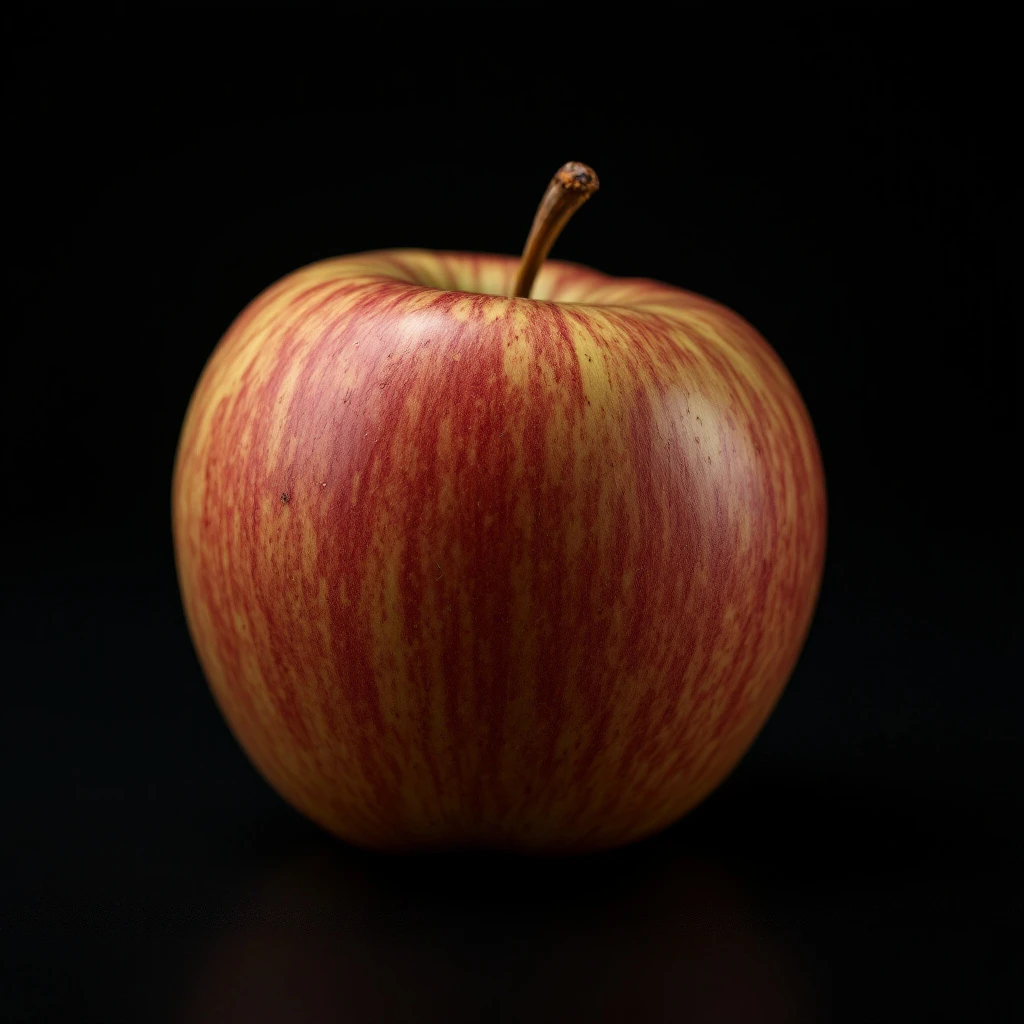
Character
How it smells
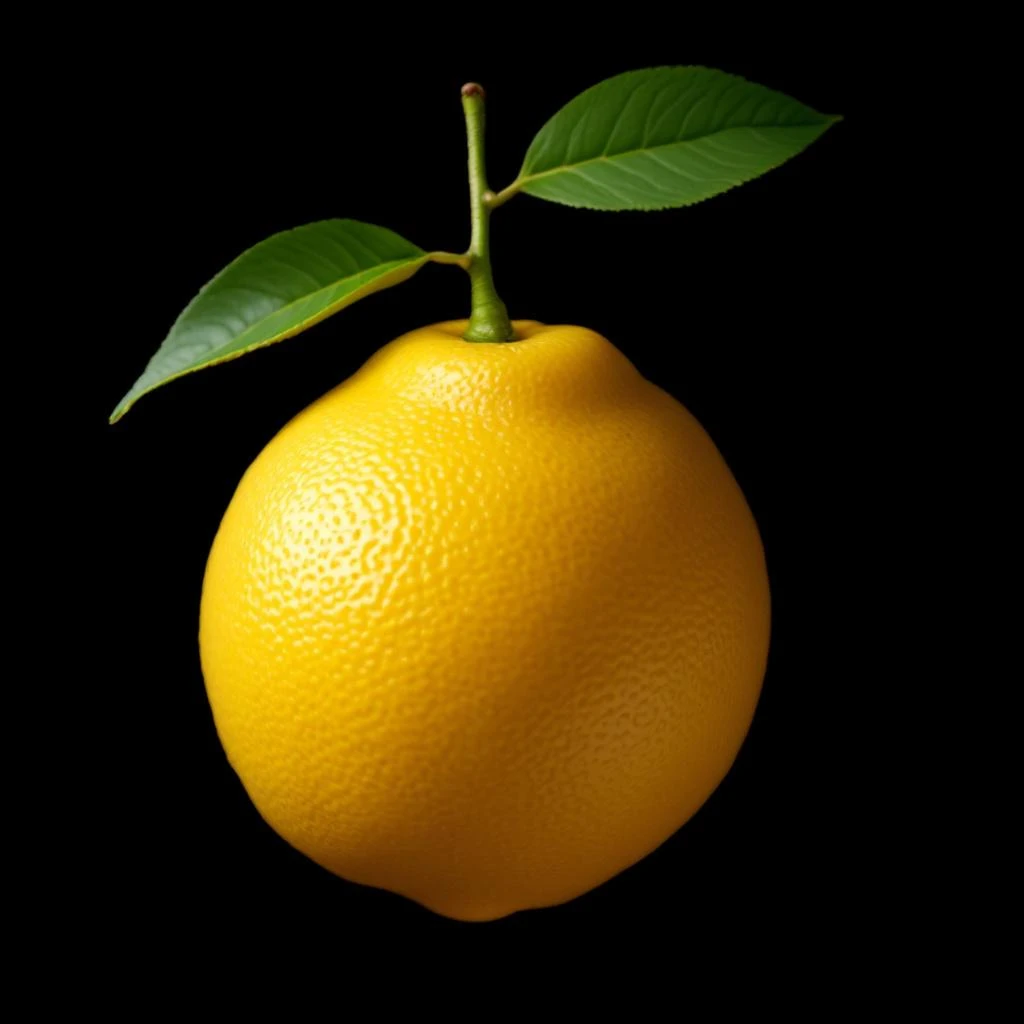
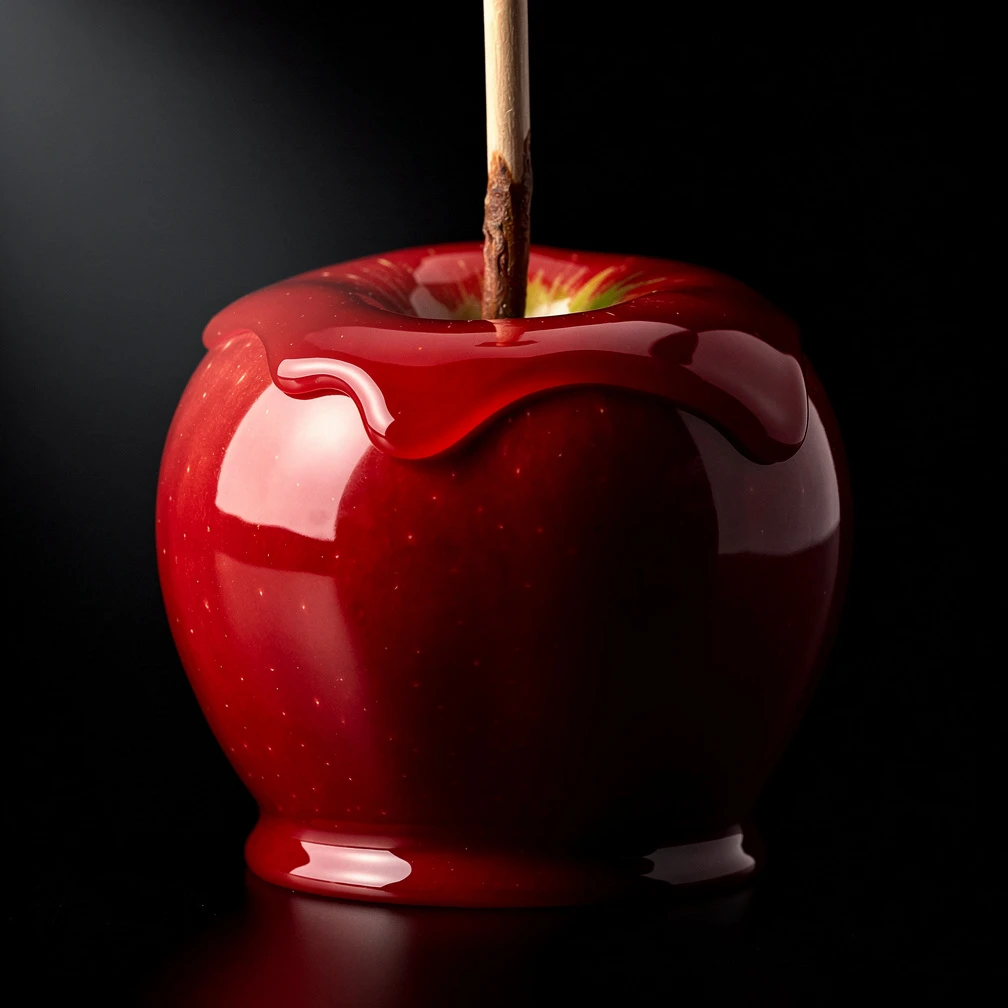
Warm apple-scented wood with sweet, fruity resonance.
Apple trees grown for wood are often pruned specifically to encourage thicker, more aromatic heartwood development.



Origin
France
While apple trees have been cultivated for fruit since ancient times in Central Asia, the use of apple wood as a fragrance material is a more recent development in perfumery. Historical perfumers favored established woods like sandalwood, cedar, and oud. Only in the twentieth century did fragrance chemists and natural material explorers begin investigating lesser-used wood sources.
Applewood emerged as a niche ingredient in artisan and natural perfumery circles during the late twentieth century, valued for its unusual combination of warm woodiness with fresh, fruity top notes that no other wood quite replicates. Today it remains a specialty material, produced in limited quantities primarily in France and the United States, sought by perfumers creating sophisticated woody compositions.
Wears it best
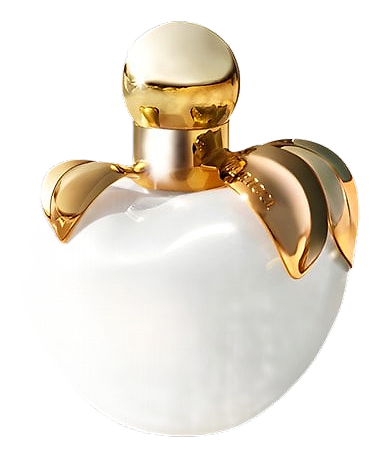
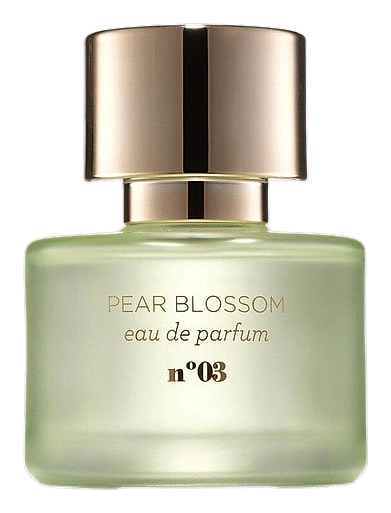
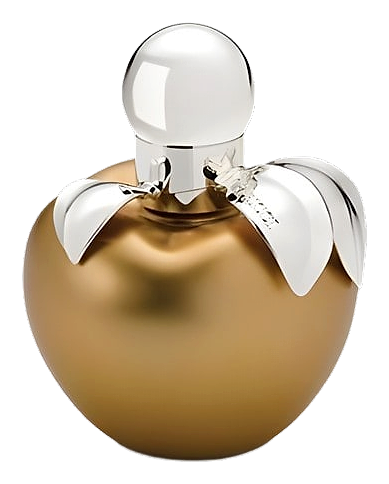
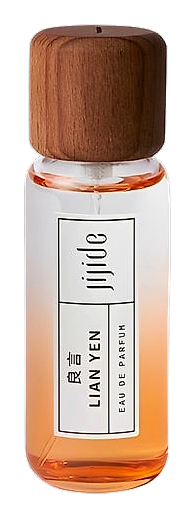
Fragrances featuring Applewood
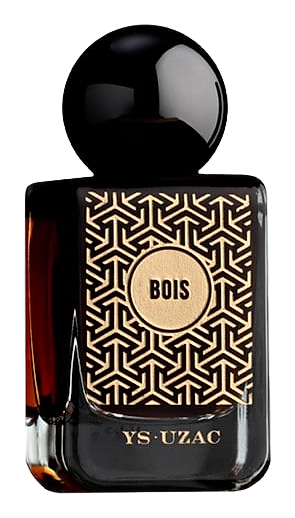
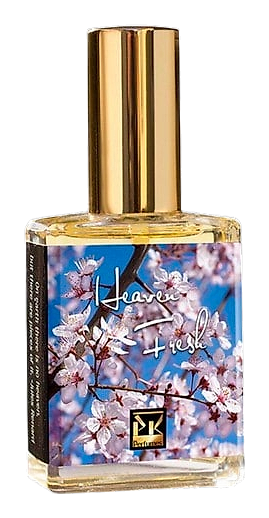


Brands
Brands known for Applewood
Good to know
Questions, answered
The essentials on Applewood in perfumery: how it smells, where it comes from, and how it behaves on skin.
What does applewood smell like?
Applewood has a warm, sweet woody scent with fresh apple fruit notes. It combines dry wood character with a subtle juicy quality that distinguishes it from other wood absolutes.
Is applewood a natural or synthetic ingredient?
Applewood is a natural ingredient extracted from apple tree wood through solvent extraction. It remains relatively uncommon compared to other wood materials.
What type of wood is used for applewood absolute?
The wood comes from apple trees (Malus domestica), typically harvested from pruned branches and smaller timber rather than entire trees. The heartwood contains the aromatic compounds.
How is applewood different from cedarwood?
Applewood has a sweeter, fruitier character compared to cedarwood. While cedar is dry and pencil-shaving like, applewood retains fresh apple notes alongside woody depth.
Which fragrance families use applewood?
Applewood appears primarily in woody and chypre compositions. It works particularly well in modern fragrances seeking warm woodiness with unexpected freshness.
Is applewood a sustainable material?
Applewood is a byproduct of orchard pruning, making it a relatively sustainable material. No trees are felled specifically for fragrance production.
What concentration is typically used in perfumery?
Applewood absolute is used sparingly, typically at 0.1 to 2 percent in fragrance concentrates. Its intensity means even small amounts contribute significant character.
Does applewood have fixative properties?
Applewood has moderate fixative properties due to its woody constituents. It helps stabilize lighter top notes while adding its own distinct aromatic contribution.