
The Story
Why it exists.
The beginning
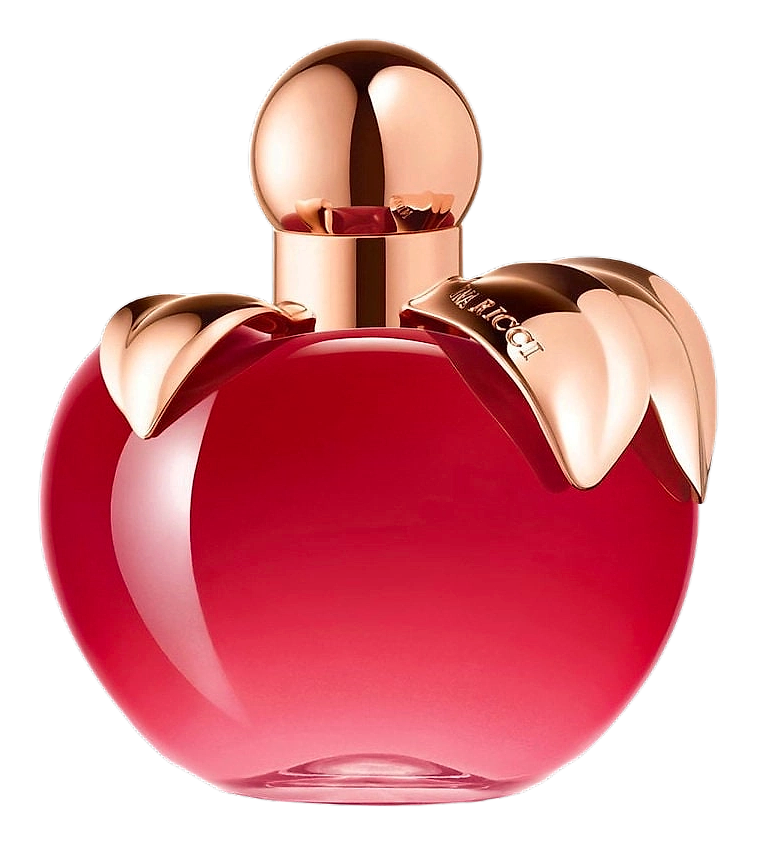
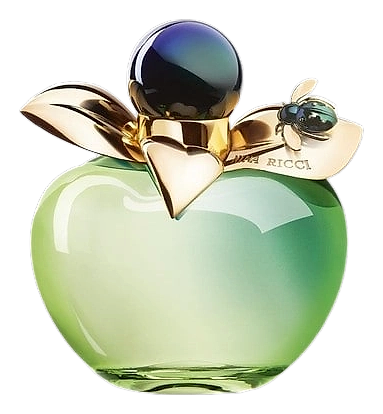
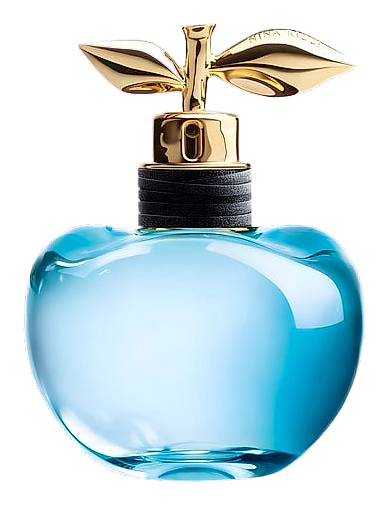
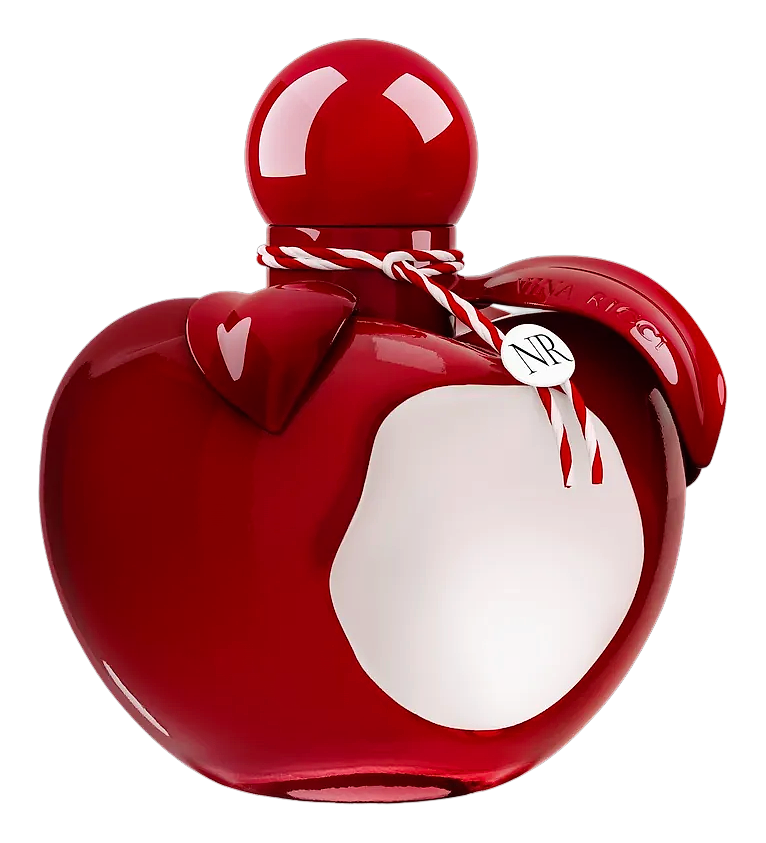
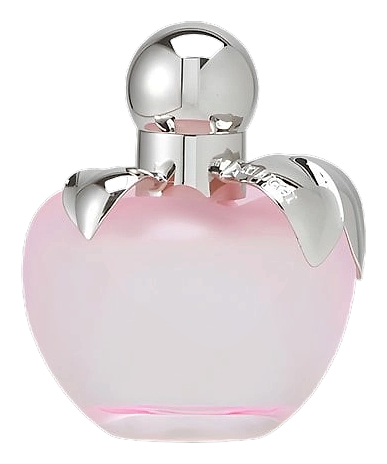
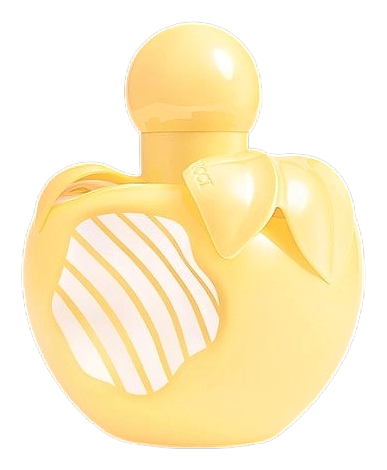
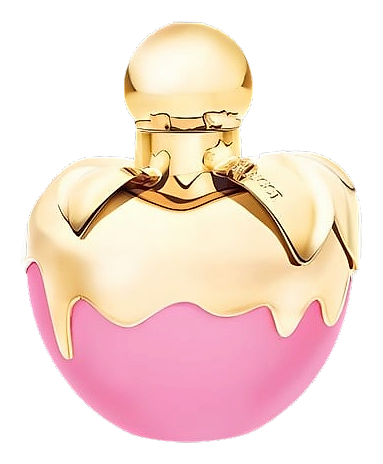
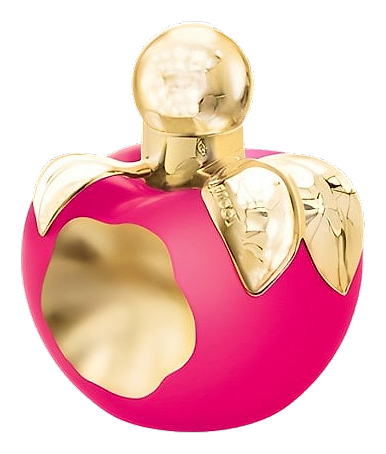
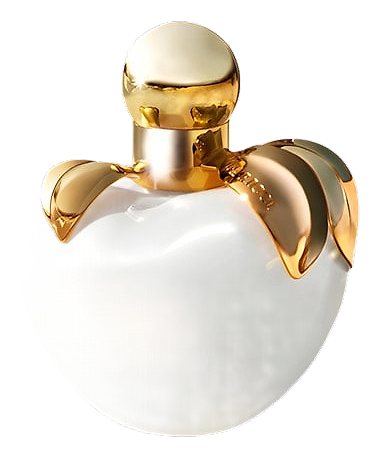
Nina Snow Princess arrived in 2011 as a limited edition, a winter chapter in the Nina Ricci story. The house had already established its apple-shaped bottle with the original Nina, a signature silhouette that needed no introduction. Snow Princess took that familiar form and dressed it for the season: white bottle, gold leaf accents, a gift-box thoughtfulness. Olivier Cresp built the composition around a specific tension, the cold brightness of citrus against the warmth waiting underneath. Caipirinha, Amalfi lemon, lime. Then candied apple. Then praline. Then vanilla. The interplay of bright and sweet runs through every stage of the scent, the citrus clarity giving way to something softer and more generous as the minutes pass.
The layering is deliberate. That caipirinha-lime opening doesn't just smell good, it creates contrast. The warmth that follows hits harder because of it. Candied apple and praline in the heart aren't competing with the citrus; they're rewarding you for waiting. And the vanilla? It's there at the end, soft and close, not because the fragrance ran out of ideas but because the warmth was always the intention. Applewood and Virginia Cedar keep the base grounded without fighting the sweetness. It's a dessert that knows how to behave.
The evolution
The drydown is where it gets interesting. Applewood and Virginia Cedar don't temper the sweetness the way you'd expect. They add depth and a slightly smoky quality to the composition. What you're left with after a few hours is toffee-apple warmth that stays close to the skin, intimate, soft, almost edible. One reviewer noted around six hours of wear, while others find it fades to something closer, more personal. Either way, the apple-vanilla warmth doesn't fully disappear. It settles. The fragrance doesn't fade so much as it chooses where to live.
Cultural impact
Nina Snow Princess arrived in 2011 as a limited edition chapter in the Nina Ricci story. The original Nina fragrance had already established the apple-shaped bottle as an icon, and the Snow Princess variant extended that silhouette into a winter-exclusive direction. The bright citrus and candied apple composition was a premium take on the everyday apple motif, transforming a common fruit into a collectible luxury object. The white bottle with gold leaf accents gave the design a seasonal richness that felt like something worth keeping.
The House
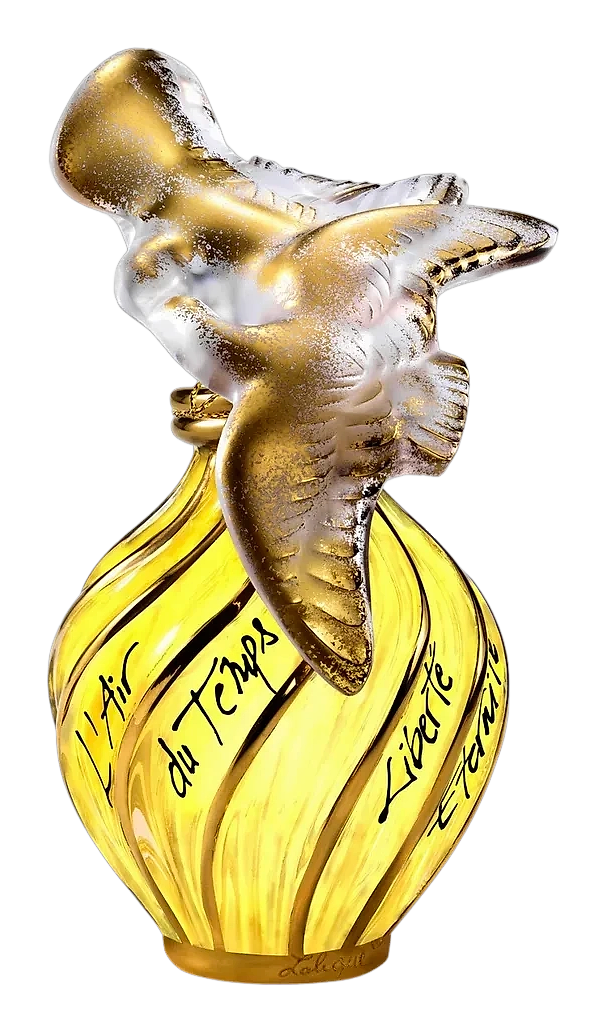
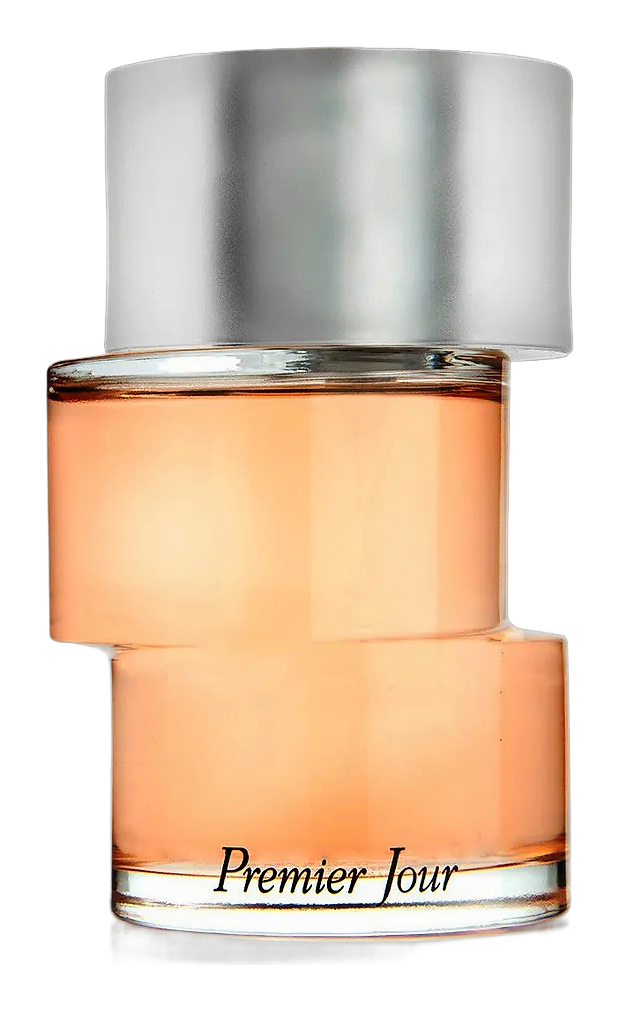
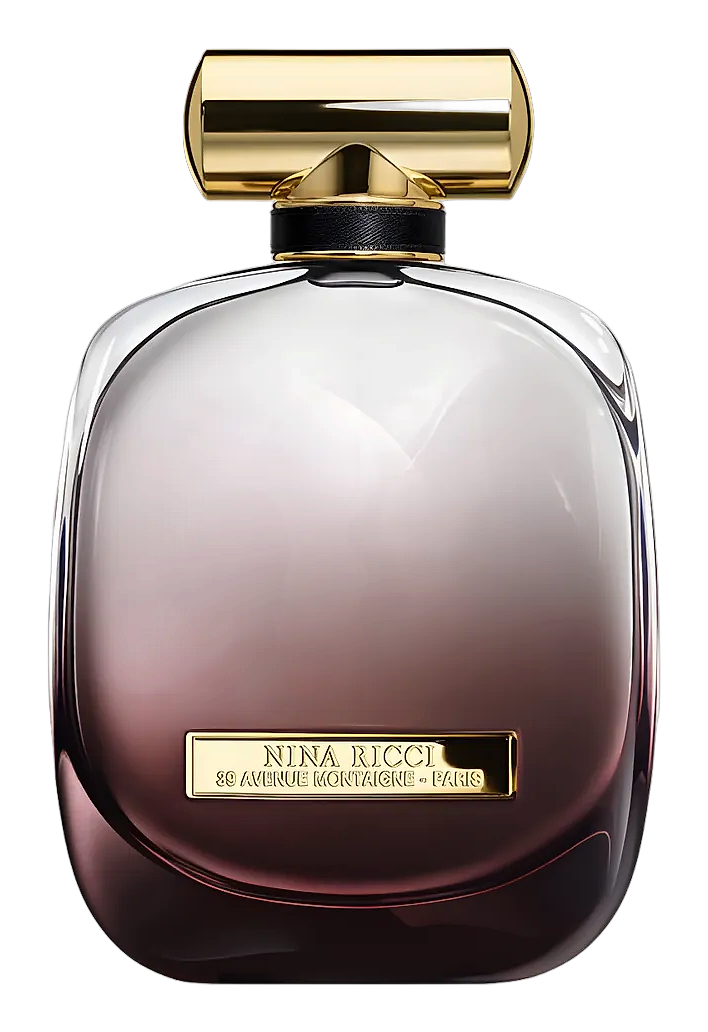
Nina RicciNina Ricci is a Parisian fashion house founded in 1932 by Italian-born designer Maria "Nina" Ricci and her son Robert Ricci. The house began as a couture salon on Rue Haussmann, quickly establishing a reputation for refined, feminine gowns with romantic sensibility. Robert established an in-house perfume division in 1941, though the first fragrance would not arrive until 1946. That inaugural scent, Coeur Joie, marked the beginning of a partnership with Lalique that would define the house's olfactory identity. The house introduced its most celebrated fragrance, L'Air du Temps, in 1948, a scent that remains in production decades later. Puig acquired Nina Ricci in 1998, bringing the house under the same ownership that manages Carolina Herrera and Jean Paul Gaultier. Today, the fragrance collection spans from timeless classics to contemporary offerings like the Nina line, maintaining the house's commitment to feminine elegance.
The Creator
Olivier CrespCresp's signature style often features a blend of fresh, clean notes with warm, comforting accords. He's known for his masterful use of fruit notes, particularly fig and berries, which he often combines with florals and musks to create scents that are both inviting and sophist…