The Story
Why it exists.
The beginning
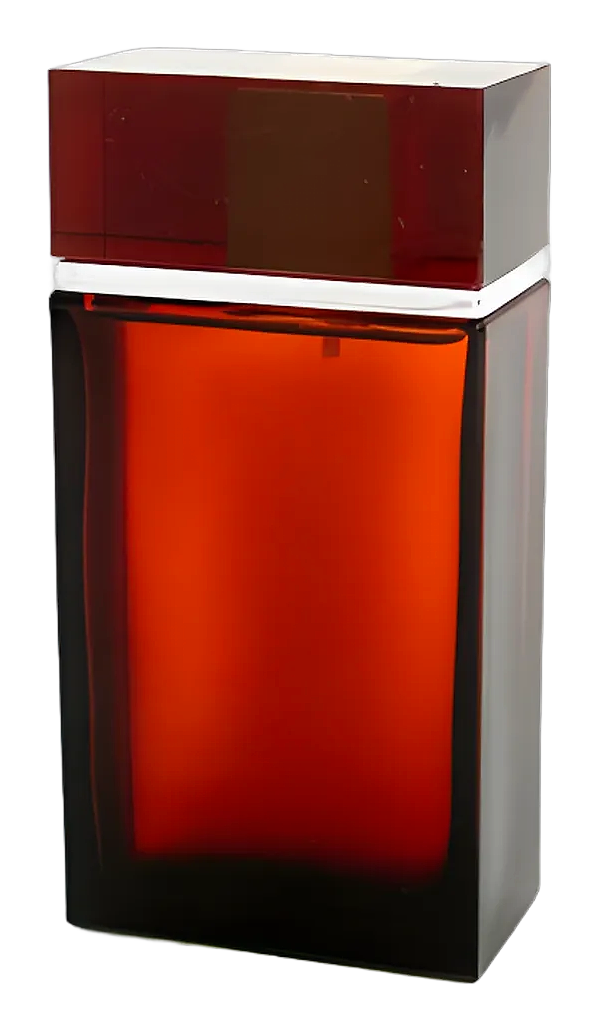
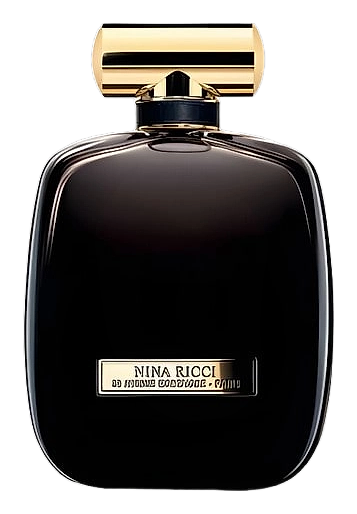
Memoire d'Homme arrived in 2002 from a house known for romantic elegance and soft power. Nina Ricci handed the brief to Christine Nagel and Rosendo Mateu and said: build something for men. The name itself is a provocation. Memory of a man. What does that smell like? An answer in citrus, spice, and something darker underneath. The composition opens bright and sharp, the citrus cutting through with immediate clarity before the spice deepens the impression. There's an unexpected dimension beneath the initial brightness, a shadowed quality that gives the fragrance its edge. It's confident without being loud, present without demanding attention.
The licorice is the tell. It sits in the top notes here, not buried where most fragrances would tuck it away. That choice shapes everything, the opening is a negotiation between bright grapefruit and the unexpected darkness of anise. Ginger and nutmeg arrive next, warming the composition from within. The structure isn't trying to smell like wood or water or any predictable masculine archetype. It's trying to smell like this specific idea: a man who doesn't need to explain himself.
The evolution
The grapefruit opens bright and tart, pomelo adds a rounder citrus that softens the edge. Then the licorice arrives, uninvited and impossible to ignore. Not sweet. Not medicinal. Just present. The hand-off happens gradually: the citrus fades, the ginger and nutmeg warm up, and somewhere around the second hour you're in the heart of it. Cedar and vetiver anchor the drydown. Ambergris and musk settle close to the skin. Six to eight hours, depending on your skin. The next morning there's still something there, warm, woody, a little animal.
Cultural impact
Memoire d'Homme occupies an interesting position, a masculine fragrance from a house associated with romantic femininity. The unusual top note combination of licorice and grapefruit gives it a distinctive character that stands apart from conventional masculine scents. It appealed to the wearer who wanted something that smelled like thought had gone into it. The interplay of bright citrus with the darker, almost medicinal quality of anise creates something memorable, a fragrance that rewards attention and lingers in memory long after it fades from the skin.
The House
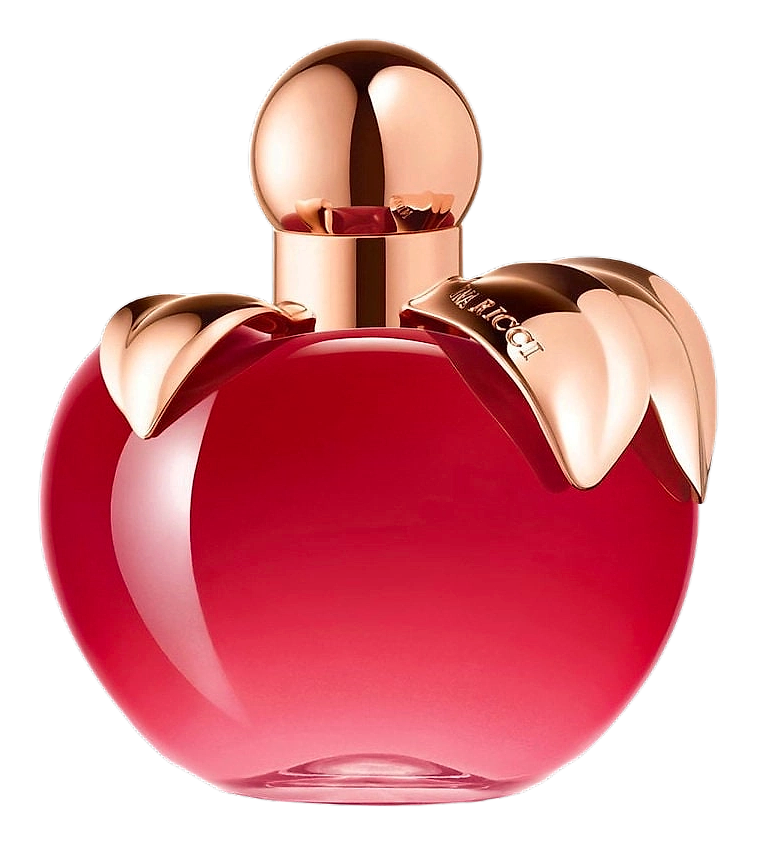
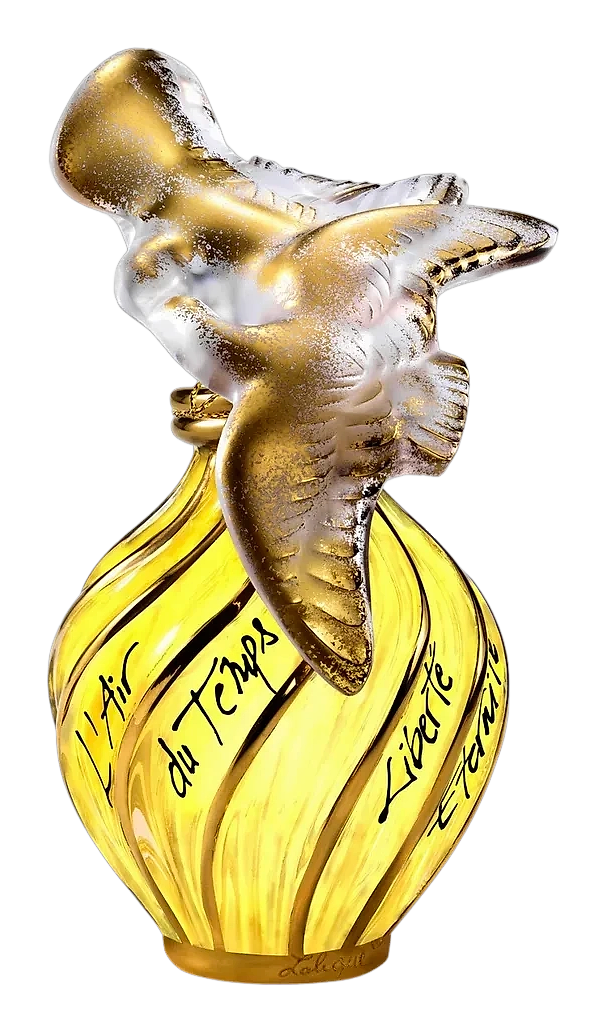
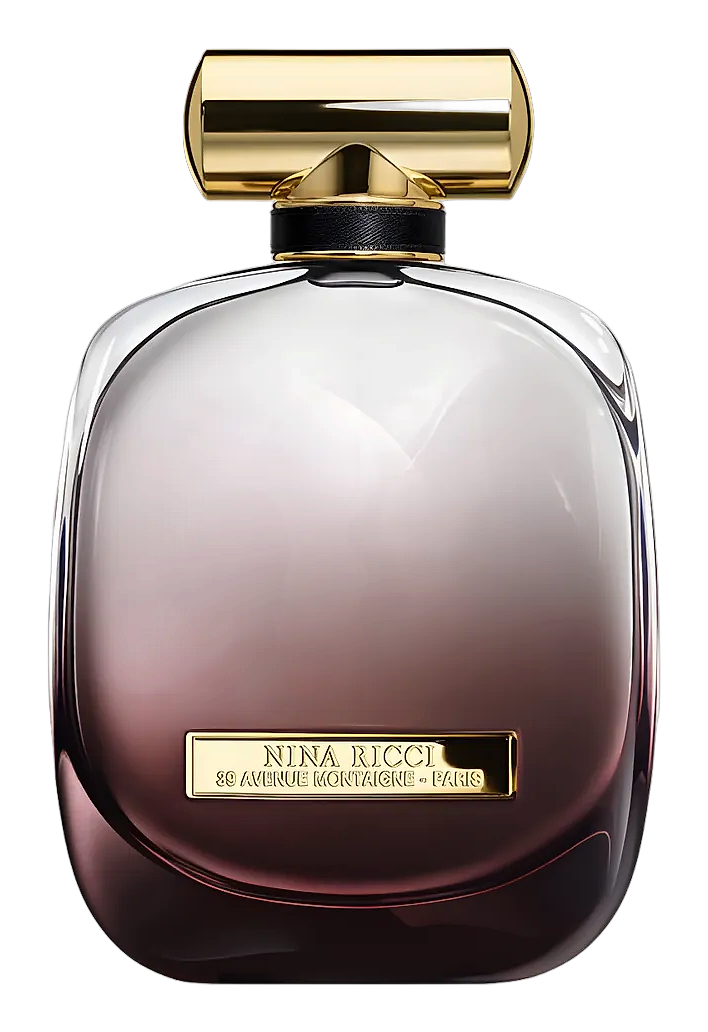
Nina RicciNina Ricci is a Parisian fashion house founded in 1932 by Italian-born designer Maria "Nina" Ricci and her son Robert Ricci. The house began as a couture salon on Rue Haussmann, quickly establishing a reputation for refined, feminine gowns with romantic sensibility. Robert established an in-house perfume division in 1941, though the first fragrance would not arrive until 1946. That inaugural scent, Coeur Joie, marked the beginning of a partnership with Lalique that would define the house's olfactory identity. The house introduced its most celebrated fragrance, L'Air du Temps, in 1948, a scent that remains in production decades later. Puig acquired Nina Ricci in 1998, bringing the house under the same ownership that manages Carolina Herrera and Jean Paul Gaultier. Today, the fragrance collection spans from timeless classics to contemporary offerings like the Nina line, maintaining the house's commitment to feminine elegance.
The Creator
Christine Nagel & Rosendo MateuNagel occupies a distinctive space in contemporary perfumery, favoring sensual, textured compositions over the clean minimalism that dominated for decades. Her fragrances often feature unexpected contrasts: mineral and floral, salty and sweet, cool and warm.