
The Story
Why it exists.
The beginning
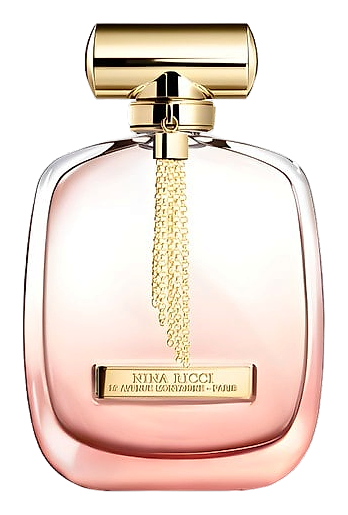
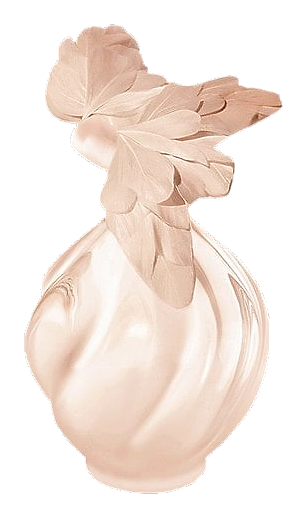
L'Air du Temps L'Aurore arrived in 2017 as a new chapter in Nina Ricci's most storied fragrance line. Calice Becker, who trained under master perfumers at Givaudan, composed it as an ode to the first light, aurora, the Latin word for dawn, says exactly what it means. The idea was morning air: citrus-bright and clean, but threaded with something deeper. The original L'Air du Temps has always been about romance and timelessness. This flanker wanted to ask a different question: what does romantic femininity smell like at sunrise?
The answer lives in the pairing of Damask rose and fig tree, two materials that rarely share a composition but here seem inevitable. Rose gives the fragrance its emotional core, the warmth of a woman who knows her own mind. Fig tree brings something greener, slightly aquatic, like standing at the edge of a garden that runs into the sea. The base of driftwood and moss keeps everything grounded in mineral quiet. No sweetness for its own sake. No loud entrance. The structure is deliberate: bright opening, honest heart, a finish that asks you to lean in.
The evolution
The opening hits with grapefruit's tart snap and pink pepper's faint spark, a luminous burst that reads like sunlight through glass. Within minutes, the orange blossom slides in and softens everything, the way a breeze moves through an open window. The hand-off to the heart is where L'Aurore earns its name. The damask rose arrives not as a statement but as a whisper, and the fig tree brings something unexpected: a green, slightly marine quality that makes the rose smell like it's growing by water. The sillage settles to something intimate and close, a fragrance that wants to be discovered rather than announced. By the drydown, the driftwood and moss have grounded everything into something mineral and quiet. Not a beach. A sea garden at dusk, still and a little wild.
Cultural impact
L'Air du Temps L'Aurore has quietly divided opinion since its 2017 debut. Where the original L'Air du Temps is unmistakably powdery and classic, this flanker leans into something cooler and more contemporary, the marine moss finish surprises wearers expecting the familiar warmth. The rose-citrus structure puts it in conversation with other modern feminines, but the fig tree and driftwood give it a slightly unusual edge. It is the kind of fragrance that asks something of you, not complicated, just honest about what it is.
The House
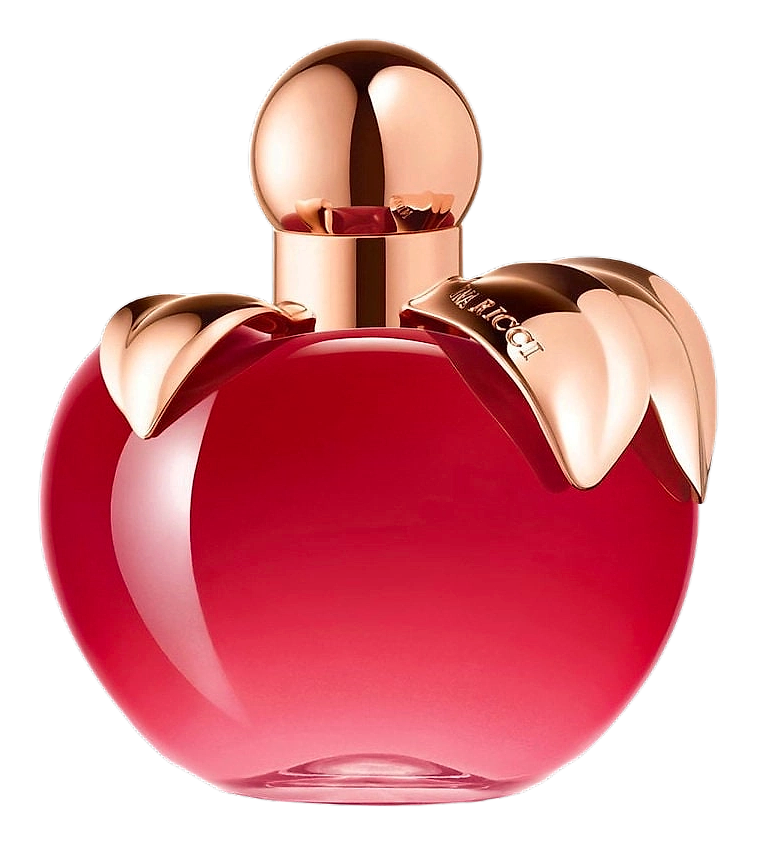
Nina RicciNina Ricci is a Parisian fashion house founded in 1932 by Italian-born designer Maria "Nina" Ricci and her son Robert Ricci. The house began as a couture salon on Rue Haussmann, quickly establishing a reputation for refined, feminine gowns with romantic sensibility. Robert established an in-house perfume division in 1941, though the first fragrance would not arrive until 1946. That inaugural scent, Coeur Joie, marked the beginning of a partnership with Lalique that would define the house's olfactory identity. The house introduced its most celebrated fragrance, L'Air du Temps, in 1948, a scent that remains in production decades later. Puig acquired Nina Ricci in 1998, bringing the house under the same ownership that manages Carolina Herrera and Jean Paul Gaultier. Today, the fragrance collection spans from timeless classics to contemporary offerings like the Nina line, maintaining the house's commitment to feminine elegance.
The Creator
Calice BeckerBecker's olfactive signature is marked by exceptional versatility combined with a distinctive feminine sensibility. She moves effortlessly between the sun-drenched radiance of Dior J'Adore and the contemplative tea notes of By Kilian Imperial Tea.