
The Story
Why it exists.
The beginning
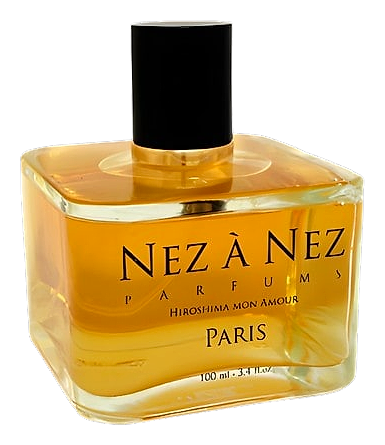
The name lands like a dare. Hiroshima Mon Amour, Marguerite Duras and Alain Resnais made that phrase mean something in 1959: a love story set in the wreckage, between two people who couldn't quite say what they'd witnessed. Stéphane Humbert Lucas translated that weight into a fragrance in 2010. Yuzu for the Japanese light. Cherry and beeswax for the aftermath. A collaboration between two cultures that both know what it means to rebuild.
What makes this composition unusual is the cherry pit, not the fruit, not the blossom, the pit. That bitter kernel note sits at the heart alongside juniper and birch, which most fragrance buyers have never smelled in a perfume. The yuzu opens clean but the drydown leans into beeswax and vanilla in a way that's almost devotional. It's the kind of structure that takes risks: the citrus promises one thing and the finish delivers something warmer, stranger, more personal.
The evolution
The yuzu and mandarin arrive first, clean, bright, a little sharp. Twenty minutes in, the cherry pit arrives like a shadow. It doesn't overpower the citrus so much as complicate it. The juniper and birch come next, adding an aromatic bitterness that keeps the sweetness from getting soft. By the second hour, the beeswax takes over, warm, slightly smoky, the smell of something that's been burning. Vanilla and musk hold the base, soft and close. On most skin, expect 8-10 hours. The sillage moderates after the first hour, becoming intimate rather than announcing itself.
Cultural impact
Hiroshima Mon Amour arrived in 2010, before the niche fragrance boom accelerated in the mid-2010s. At that point, the idea of a French-Japanese cultural collaboration, yuzu alongside beeswax, cherry pit at the heart, was unusual. The fragrance has since developed a cult following among collectors who seek it out secondhand. Its discontinuation made it harder to find, which only sharpened its appeal among those who value scent as a form of cultural memory rather than commodity.
The House
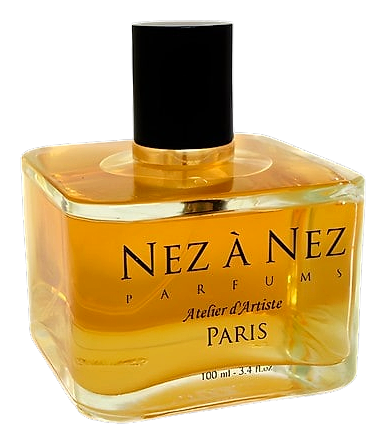
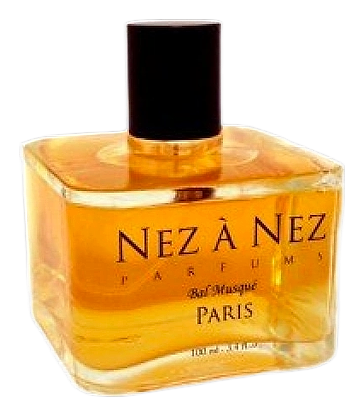
Nez a NezNez is an independent collective that treats scent as culture. Founded in 2016 by editor Jeanne Doré, sales director Dominique Brunel and creative lead Mathieu Chevara, the group publishes the free annual Nez magazine, curates exhibitions, and releases limited‑edition fragrances. Its roster includes Atelier d’Artiste, Hiroshima Mon Amour (2010) and Bal Musque, each positioned as a conversation between scent, art and the everyday. Nez operates from Paris and reaches a global audience through translated publications and boutique collaborations.
The Creator
Stéphane Humbert LucasLucas gravitates toward dramatic contrasts—harmony confronting roughness, warmth wrestling with darkness. His signature moves include pairing luminous iris with resinous incense, anchoring precious woods with unexpected mineral or animalic notes, and building fragrances that u…