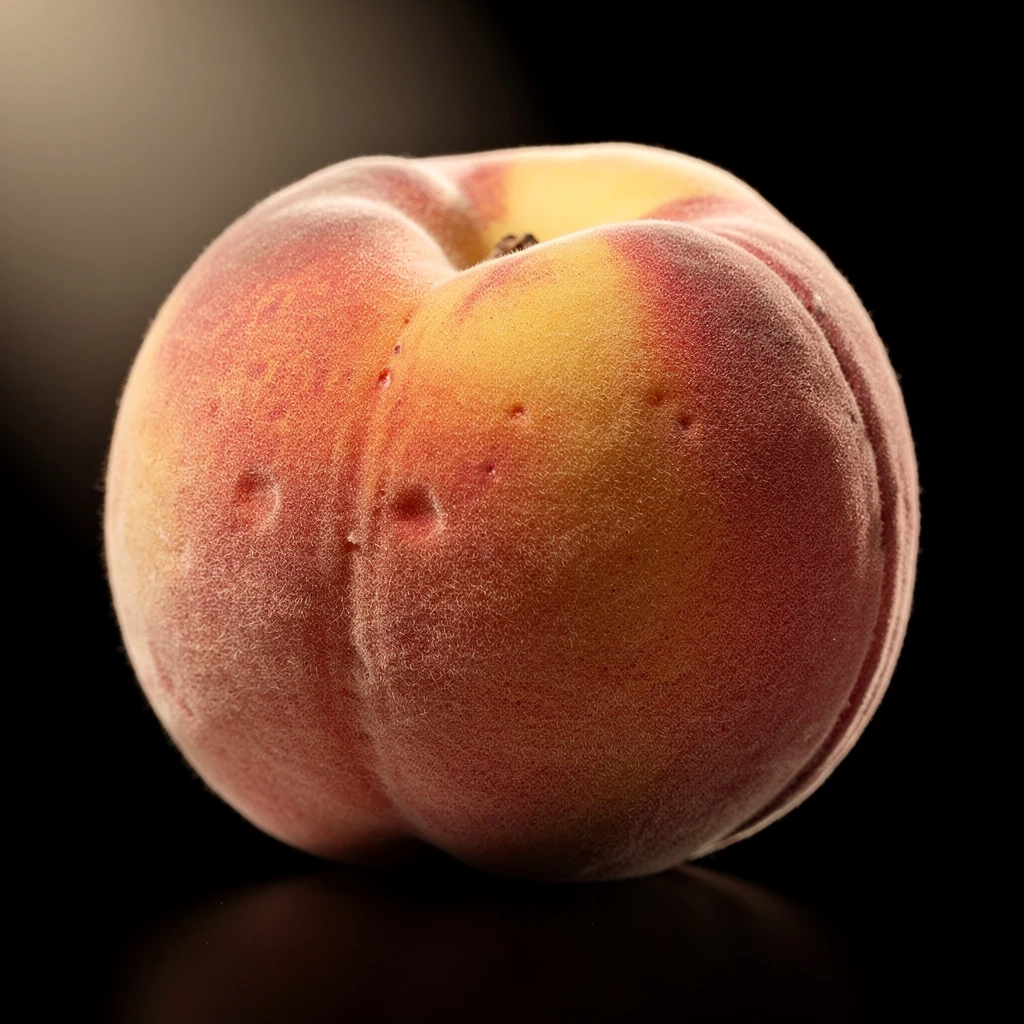
Cherry Pit
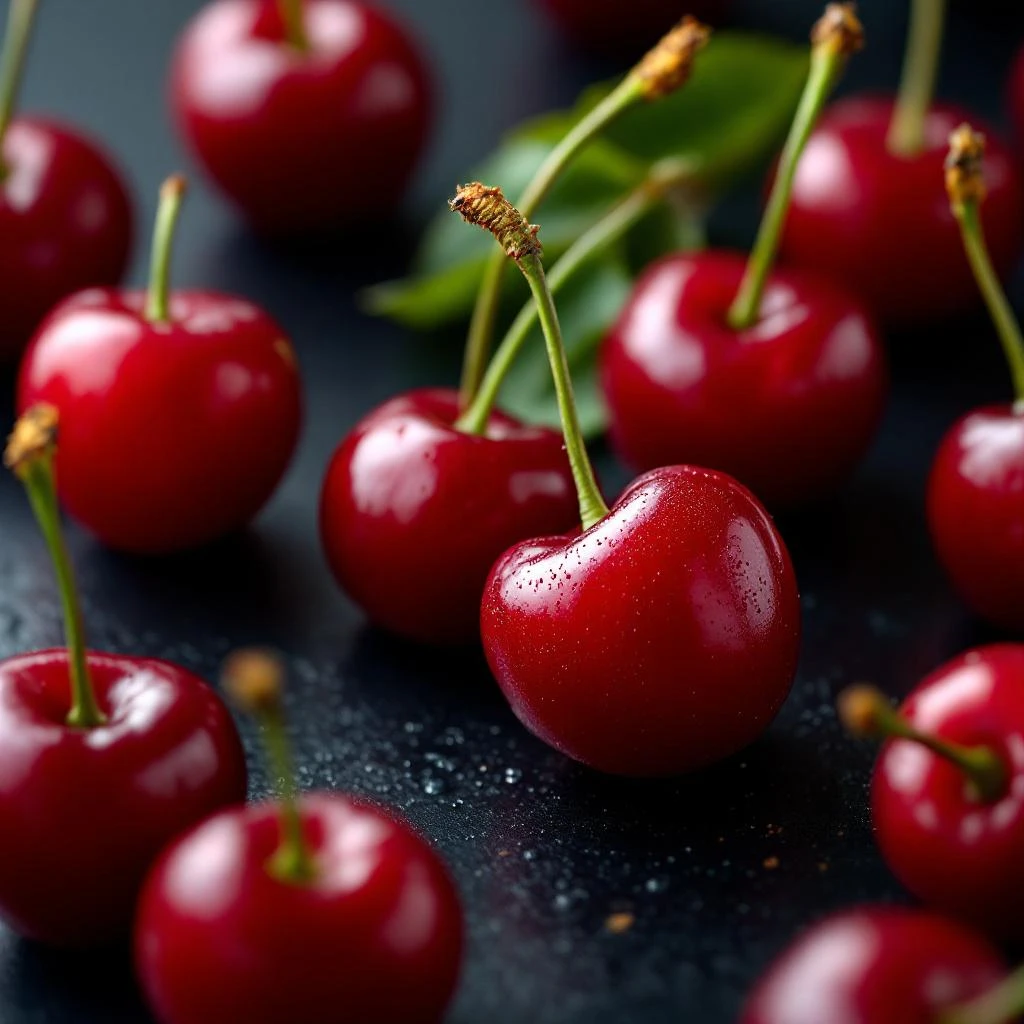
Cherry pit offers a bright almond‑like aroma that brightens a blend with a hint of tart fruit. Its signature note comes from the natural benzaldehyde stored in the stone’s kernel.

Character
How it smells
Almond‑kissed tartness from the heart of the cherry.
The bitter almond scent of cherry pits originates from benzaldehyde, a compound also found in apricot kernels and bitter almonds, and it can be extracted without heat to preserve its delicate nuance.







Origin
Turkey
Cherry pits entered early European apothecary recipes as a bitter tonic and a scenting agent. By the 16th century, artisans used crushed pits to flavor liqueurs and to add a sharp almond nuance to courtly perfumes. The 19th century brought organic chemistry, and chemists isolated benzaldehyde from cherry kernels, allowing the note to be reproduced without fruit waste.
Synthetic benzaldehyde entered the perfume market in the 1850s, expanding the use of the cherry pit aroma in floral and gourmand compositions. Today, the note bridges historic natural extraction with modern synthetic consistency, honoring its centuries‑old role in fragrance creation.
Wears it best
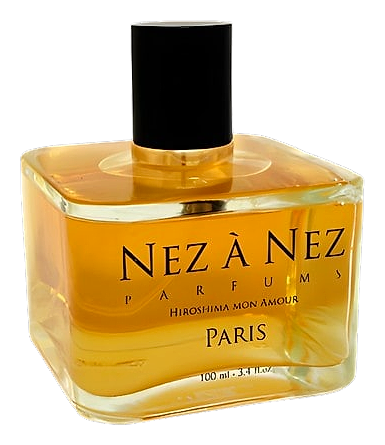
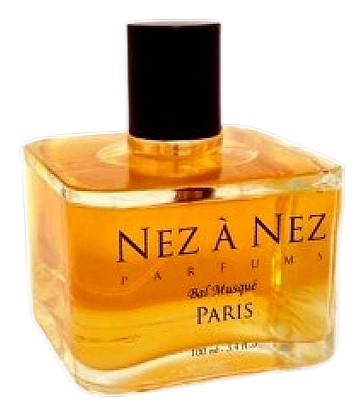
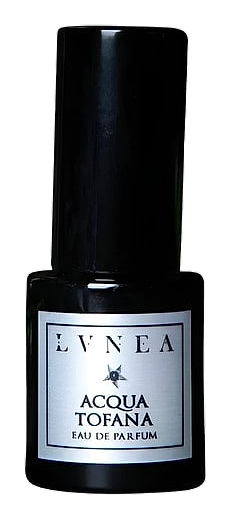
Fragrances featuring Cherry Pit
Good to know
Questions, answered
The essentials on Cherry Pit in perfumery: how it smells, where it comes from, and how it behaves on skin.
What primary aroma does cherry pit contribute?
Cherry pit delivers a sharp almond scent with a faint tart edge. Laboratory analysis shows benzaldehyde makes up about 5% of the oil, providing the characteristic note.
Is cherry pit oil natural or synthetic?
Both forms exist; natural oil is obtained by solvent extraction, while synthetic benzaldehyde replicates the scent. In 2020, natural cherry pit oil accounted for roughly 12% of global almond‑type aroma production.
How is the oil extracted without damaging its aroma?
Extractors use low‑temperature ethanol to dissolve the oil, then gently evaporate the solvent. This method preserves volatile aldehydes, as confirmed by a 2018 study measuring 93% retention of benzaldehyde.
Can cherry pit be used in food‑grade applications?
Yes, the oil meets food‑grade standards when produced under strict regulations. The European Food Safety Authority listed it as safe for flavoring in 2015, citing a maximum daily intake of 0.1 mg per kilogram body weight.
Why do some perfumers prefer synthetic benzaldehyde?
Synthetic benzaldehyde offers consistent purity and eliminates batch variability. A 2019 market report noted that synthetic sources supply 78% of the almond‑type aroma market for cost stability.
What safety precautions are needed when handling cherry pit oil?
The oil can irritate skin at high concentrations, so perfumers dilute it to below 2% in formulations. Safety data sheets recommend wearing gloves and avoiding direct eye contact.
Which regions produce the most cherry pits for fragrance?
Turkey leads global production, harvesting over 300,000 tons of cherries annually, many of which are processed for their pits. The country's central Anatolian plateau supplies the majority of natural cherry pit oil.
How does cherry pit interact with other fragrance notes?
Cherry pit accentuates fruity and floral accords while grounding gourmand blends with its almond edge. In a 2021 formulation test, adding 1% cherry pit oil increased perceived sweetness by 15% in a vanilla base.