
The Story
Why it exists.
The beginning
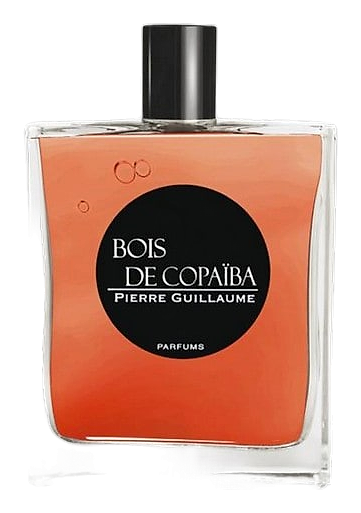
Pierre Guillaume named this fragrance after the Copaiba balsam resin, a material with centuries of use in traditional medicine across South America, though it rarely appears in Western perfumery. The choice signals an intent: reach into overlooked territory, extract something unexpected. Rather than default to familiar oud or frankincense as the resinous anchor, Guillaume selected a material most collectors couldn't place on first read. The year was 2006, and the independent French market was still finding its footing, smaller houses using niche positioning to justify exploration that mass brands wouldn't risk. Bois de Copaiba arrives as that exploration, naming its most unusual material outright in the title.
What makes the composition unusual is the pairing of amaretto with myrrh, two materials that could easily compete for dominance, each demanding attention. Here they coexist with unexpected balance. The amaretto brings a sweet, almost edible quality: the smell of almonds steeped in something warm. The myrrh offers a drier, more medicinal resinousness. Neither overwhelms. The sandalwood and acajou wood that follow don't compete either, they absorb, stretching the drydown into something that reads as singular rather than layered. The citrus-ginger top isn't decorative; it provides the only real brightness in a composition built around depth. Without it, the amber-balsam heart would arrive too heavy, too quickly.
The evolution
The opening is immediate: candied orange and red ginger arrive together, the citrus sugared and almost jammy, the ginger clean rather than hot. Twenty minutes in, the copaiba balsam begins to assert itself, a resinous, slightly medicinal note that shifts the sweetness into something more complex. The amaretto follows shortly after, adding warmth without pushing the composition toward gourmand territory. By the second hour, the heart has fully established itself: amber, myrrh, and amaretto in conversation, each note distinguishable but none dominant. The base arrives gradually, sandalwood and acajou wood arriving not as a replacement but as an extension, the same warmth, now grounded. Eight to ten hours later on most skin, the woods linger close to the skin, intimate rather than projecting. The next day, there's a faint resinous warmth that clings to fabric.
Cultural impact
Bois de Copaiba arrived during a period when independent French houses were carving out space against larger commercial brands. The 2006 release positioned itself as a study in resinous materials, not the obvious route for a niche fragrance trying to attract attention. Collectors responded to the frankness: a fragrance named after its most unusual ingredient, built around warmth and depth rather than the bright citrus or aquatic notes dominating mainstream perfumery at the time.