The Story
Why it exists.
The beginning
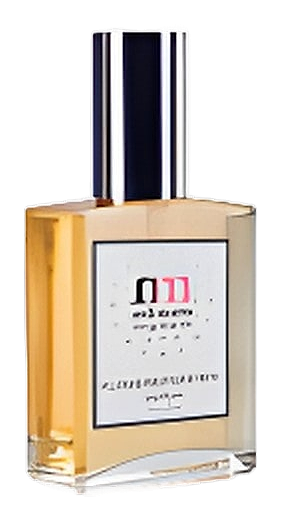
Flowers for Men: Lilac comes from Neil Morris, a perfumer whose work takes the most traditionally feminine floral, lilac, and asks what happens when it's filtered through masculine structure. The Flowers for Men collection sits within that philosophy. The result is not a florist's bouquet translated into masculine wrapping. It's lilac restructured from the inside out, with green, woody, and bitter materials pulling the flower into unfamiliar territory. The composition treats each fragrance as a statement piece, composed by hand rather than engineered by committee.
What makes this composition distinctive is the deliberate tension between the heart notes and the base. Lilac and white hyacinth are delicate, almost translucent florals that rarely survive contact with heavier materials. Here they share the stage with labdanum, leather, palisander rosewood, vetiver, and musk, materials that should overwhelm them. Instead, the structure holds so the florals keep their shape, reading green and honeyed rather than crushed under the weight of what surrounds them.
The evolution
The first ten minutes belong to petitgrain and mandarin orange, both bright but the petitgrain sharper, more herbal than citrus. The mandarin softens the entry without ever fully announcing itself, sitting just behind the greener, more bitter notes like a suggestion of fruit rather than a statement of it. By the twenty-minute mark, lilac and white hyacinth arrive together, but not as a wall of flowers. They come through green, almost wet, the way lilacs smell on the bush before they're cut, with a sweetness that never crosses into syrup. Around the ninety-minute mark, the cedar, vetiver, and rosewood begin pulling the composition downward, and what was once a light floral starts reading as something woody and close. The leather registers as soft, slightly dirty suede, a quiet texture rather than anything aggressive.
Cultural impact
Wearing a floral as a man still carries a quiet charge, and Flowers for Men: Lilac sits at the more confident end of that conversation. The collection's premise is to take traditionally feminine florals and rebuild them on woody, masculine bases. The lilac here is not a concession to the floral category, nor is it dressed up in darker packaging to make it palatable. It stands as a study in how a flower can be restructured without losing its identity, given a backbone of cedar and vetiver that keeps the whole composition grounded and adult.