
The Story
Why it exists.
The beginning
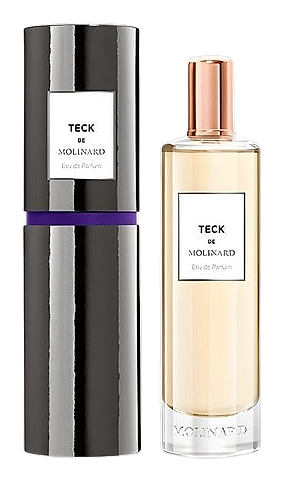
Molinard created Teck in 1989, and the intent behind it was clear from the start: a fragrance that would smell like something specific rather than everything at once. The name itself suggests solidity without excess. Not towering. Not loud. Just present, the way old-growth trees are present in a forest, you navigate around them, not past them. Whether the name nods to teak wood or something else entirely, the intent reads clearly in the juice: this is a fragrance built for the long decision, not the quick impression. Teck stands apart from the louder offerings of its era, offering restraint where others demanded attention. The composition avoids the performative nature of many masculine scents, instead presenting something quieter and more considered.
What's interesting about Teck's structure is how it approaches its opening. Instead of a wall of power, Teck begins quietly. The mint is cool, not jarring. The bitter orange is present but not aggressive. Even the lemon feels considered rather than shouty. The real architecture emerges in the heart. Cypress and sage together create something that smells like a specific moment: late afternoon in a grove, the air carrying the herbal sharpness of plants. The cypress brings a dry, almost woody quality that gives it presence without heaviness.
The evolution
The opening arrives bright but not demanding attention. The citrus trio, bitter orange, lemon, mint, establishes a cool, almost medicinal freshness that sits close to the skin. This is not the aggressive opening of a fragrance trying to announce itself across a room. It's intimate. It wants you to lean in. As time passes, the hand-off begins. The citrus doesn't disappear, it's still there, underneath, but the cypress takes center stage. Sage arrives with it, herbal and slightly bitter, the kind of smell that reminds you plants exist for function, not just aesthetics. The sandalwood threads through, keeping everything in conversation, preventing the aromatic notes from turning sharp. Once Teck has settled into its base, the vetiver brings its characteristic root-earth smell, green and dry and slightly smoky.
Cultural impact
Teck arrived in 1989, a year when masculine fragrance tended toward the bold and the projecting. Discontinued now, it survives in the collections of those who found it during its window and never let go. The community that still wears and discusses Teck has found something worth holding onto, noses that have circled back to this one for its restraint, its longevity, and its refusal to perform. The fragrance offered something different, a composed quality that didn't need to announce itself.