The Story
Why it exists.
The beginning
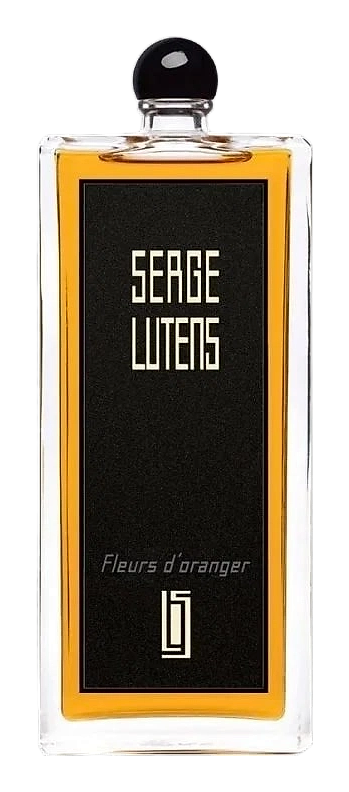
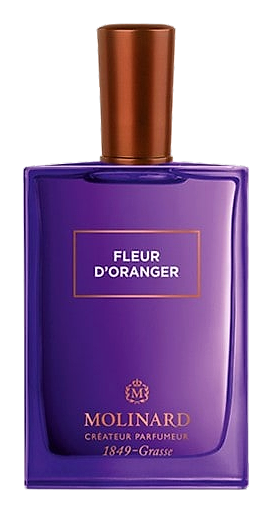
Fleur d'Oranger was created by Mathieu Nardin in 2017 as part of the Collection Matières: Les Éléments, a line built around single botanical materials. Orange blossom was a natural subject for a house rooted in Grasse, where the flower has shaped perfumery for over a century. The question wasn't whether to use it. It was how to earn it.
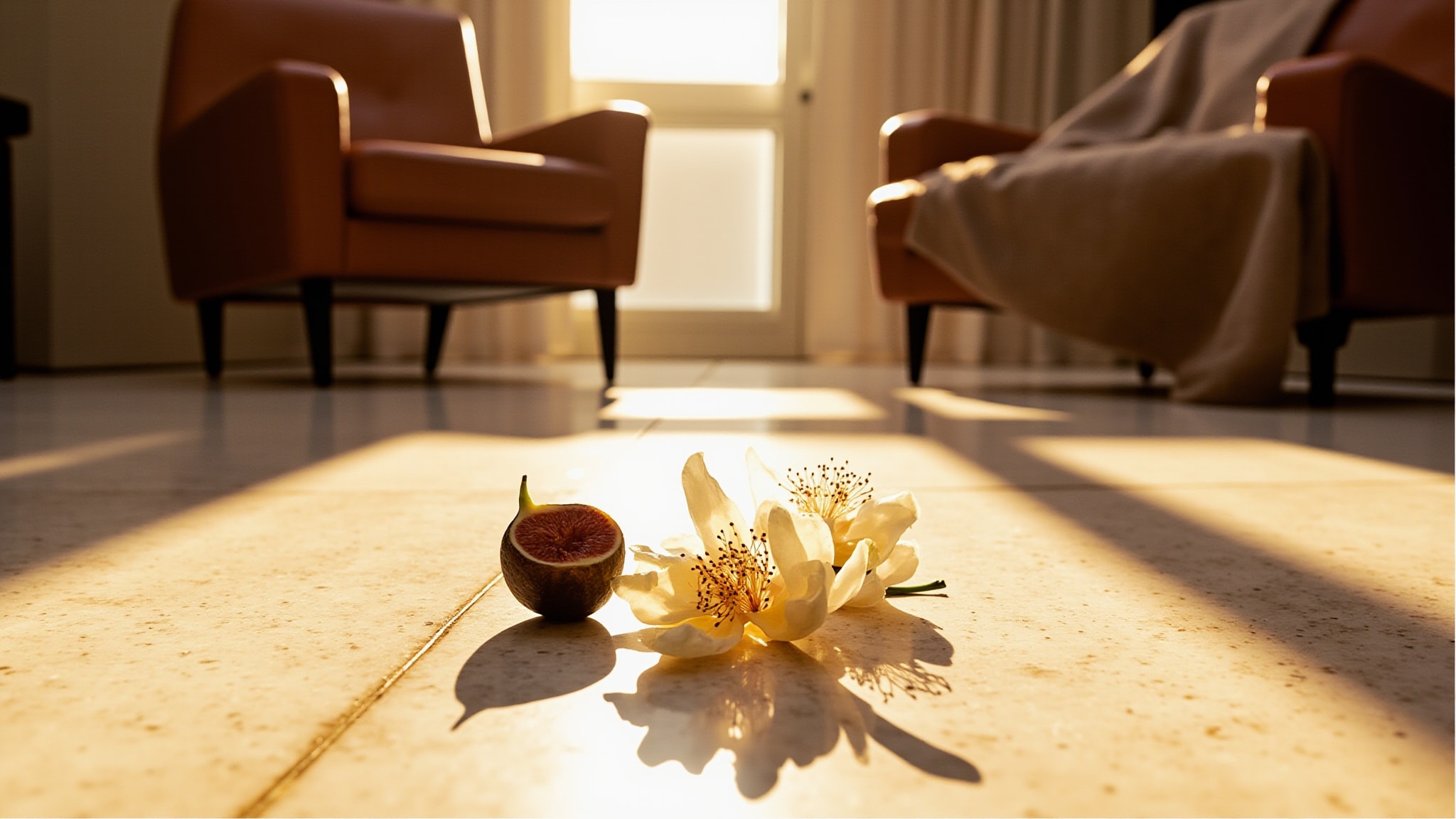
Orange blossom is deceptively complex. The petals are waxy, the nectar is sweet, and underneath there's a warmth that borders on animal. Nardin wanted all of it, the full bloom, not a curated version. The challenge was building a structure that could hold the flower's intensity without tipping into something unwearable. Bergamot and cypress give the opening crispness. Fig softens the edges. By the time neroli arrives, the fragrance has room to breathe.
The evolution
The opening is citrus sharp, bergamot first, then cypress cutting in with that dry, Mediterranean green. Fig arrives quietly, not the leaf, not the fruit, but the cream underneath. It doesn't compete with the bergamot. It softens it. The transition to the heart is where Fleur d'Oranger earns its name. Neroli and petitgrain arrive together, lifting the floral into something brighter, more aerial. Jasmine adds richness without weight. By the heart, orange blossom sits at its sunniest, held up by neroli and jasmine in a single unbroken line. The base shifts. Orange blossom deepens, revealing honey and a faint green edge beneath the sweetness. Musk anchors everything, not clean white musk, but something skin-like, warm, close. The drydown stays intimate for hours. On some skin, it lingers overnight. A ghost of warmth in the morning.
Cultural impact
Molinard's Fleur d'Oranger arrived in 2017 as part of the Collection Matières: Les Éléments, a line built around single botanical materials. The choice of orange blossom as the focal point was deliberate, this note carries centuries of Provençal perfumery heritage, and Nardin wanted to reclaim it from the mass-market florals that had diluted its identity. The cypress and fig additions give the fragrance a cooler, more complex character, one that evokes Mediterranean evenings rather than sunny florals. This approach resonated with a growing audience seeking authenticity in niche perfumery. Fleur d'Oranger found its audience among people tired of loud, performative fragrances, those who wanted scent to be intimate, personal, and quietly confident.