The Story
Why it exists.
The beginning
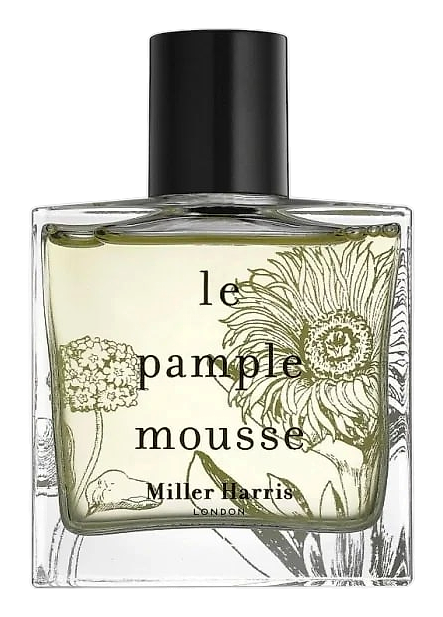
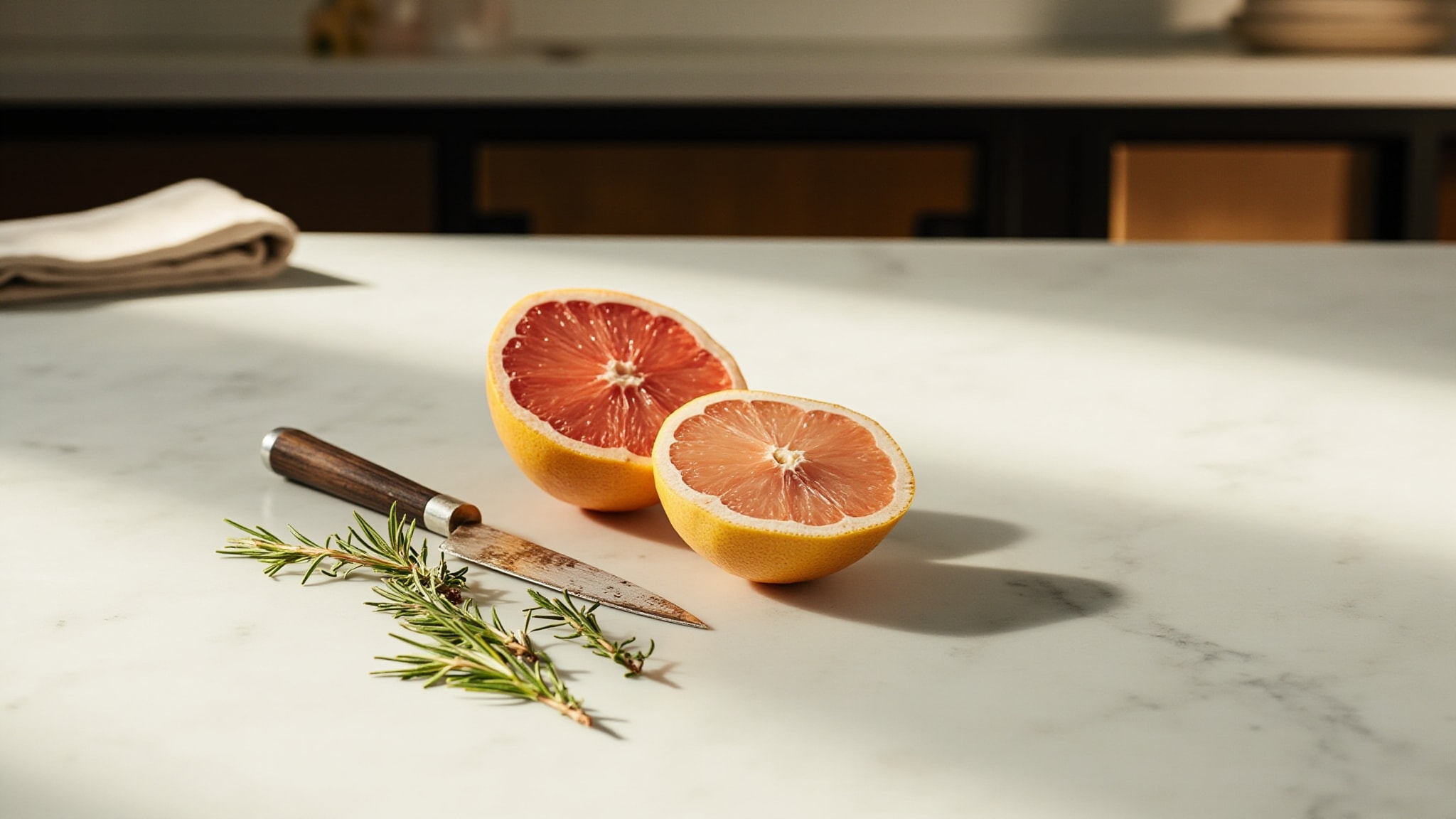
Le Pamplemousse translates directly from the French: the grapefruit. And that's where Lyn Harris started when she composed this for Miller Harris, released as part of the Archive Collection. Not a sweet, juice-drenched citrus. The bitter one. The pith and the pull. The fruit that makes your mouth water and your jaw tighten at the same time. Harris built it first as a limited edition, a study in restraint, before it joined the main lineup in April 2014. The kind of release that asks: what happens when you take the most straightforward fruit in the perfumer's pantry and refuse to sweeten it? The grapefruit here reads almost geological, stripped of its breakfast-table associations, left to show its structure: the zesty cut, the tart pull, the faint bitter membrane underneath.
Most grapefruit fragrances lean on the bright, cheerful side. This one leans the other way. The rhubarb in the opening adds a green tartness that sharpens the citrus rather than rounding it off. Then the heart introduces an unusual pairing: rosemary and sage alongside orange blossom, which pushes the composition toward something more kitchen-garden than cologne. The base grounds everything in vetiver, cedar, and oakmoss, giving the herbs a forest floor to stand on. It's a structure that treats grapefruit as a serious material, not a summer accessory, and that seriousness is what sets it apart from the dozens of lighter citrus scents crowding the category.
The evolution
The opening is grapefruit and rhubarb doing their sharp, puckery dance. Almost raw. Almost culinary. Then the rosemary arrives, and the whole thing pivots, suddenly there's green in the air, something crushed between fingers, something garden-adjacent. The sage joins, quieter, and the orange blossom flickers underneath like sun through leaves. As the hours pass the citrus recedes and the herbal heart owns the composition, rosemary still standing tall while sage settles into a softer, more contemplative register beneath it. The orange blossom lingers too, a thread of sweetness that keeps the whole middle from tipping into austere. Eventually the base starts speaking: vetiver's dry earthiness, cedar's clean wood, and oakmoss lending that slightly bitter, forest-floor depth that makes the whole thing feel rooted.
Cultural impact
Le Pamplemousse offers a greener, more architectural take on citrus, the kind of scent that reads as considered rather than casual. For wearers drawn to the citrus family but tired of simple, sweet interpretations, it opens a different door: one where grapefruit becomes a structural note rather than a bright accent, supported by rhubarb's tart snap and the herbal depth that follows. It belongs to a wider conversation about restraint in fragrance, the move away from sugar-bowl citruses toward compositions that respect the fruit's natural bitterness and complexity.