
The Story
Why it exists.
The beginning
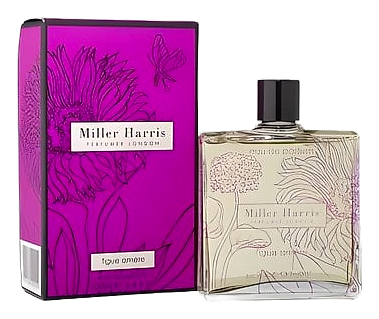
Figue Amere arrived in 2002 as one of Miller Harris's earliest compositions. The name says everything. Amere means bitter in French, and the fragrance is built around a paradox, the bitter, almost medicinal quality of fig peel and fig leaf, against the soft, ripe sweetness hidden inside the fruit. The interplay between these opposing qualities gives the scent its distinctive character. On one side, there is the green, slightly astringent edge of the fig tree itself, the leaf and stem that signal the plant's presence before the fruit is even touched. On the other side, there is the lush, almost honeyed depth of the fig at its ripest, the part of the fruit that offers warmth and a subtle creamy sweetness.
What makes the composition distinctive is its willingness to let seaweed and marine notes sit alongside green fig and rose, rather than burying them in sweetness. Most fig fragrances lean into creaminess, coconut, wood, warm amber. Figue Amere goes the other direction: the base anchors the green opening with cedarwood and amber, but the seaweed introduces a mineral, almost cold quality that keeps the sweetness honest. It doesn't hide behind it. The violet leaf and angelica seed in the heart reinforce this, they're herbal, slightly astringent, keeping the rose from becoming precious.
The evolution
The opening hits green and immediate, fig leaf and bergamot arriving together, sharp and bright. The mandarin adds a brief flash of citrus sweetness that lifts the composition before the herbal heart emerges. Violet leaf and angelica take over, turning the scent herbal and slightly bitter, bringing an earthiness that grounds the brighter top notes. The rose doesn't announce itself, it softens the edges, keeps things from getting too austere, adding a subtle floral layer that rounds out the herbal character without becoming dominant. As the fragrance develops, the cedarwood and amber begin to emerge from beneath the earlier notes, creating a warm, woody foundation. The seaweed surfaces as a dry, mineral note that lingers close to the skin, adding an unexpected salty quality that connects back to the fragrance's green, vegetal opening.
Cultural impact
Figue Amere stood apart from the prevailing fresh fragrances of its era, offering something more complex and challenging. Its bitter, green character distinguished it from the aquatics and clean scents that dominated the period, appealing to those seeking a more nuanced aromatic experience. The fragrance developed a loyal following among enthusiasts who appreciated its unconventional approach to the fig genre.