The Story
Why it exists.
The beginning
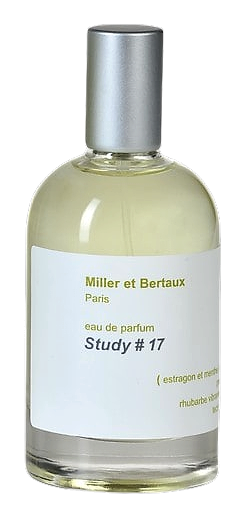
Study No. 17 was born from a poem. Francis Miller and Patrick Bertaux, the Paris-based creative duo behind Miller et Bertaux, have long treated fragrance as a form of written expression, and Study No. 17 translates one of those poems directly into scent. The press release describes it as evoking 'seasons, a half-open window, the wind, the coolness of rain, leaves, a few stems', not as literal references, but as sensory fragments that coalesce into something harder to name. Released in 2015, it entered the Miller et Bertaux collection as a study in contrasts: green and fresh, but with an unexpected tartness that keeps it from reading as generic. The numbered Study format suggests something ongoing, a continuous investigation rather than a finished statement. Study No. 17 sits somewhere in the middle of that investigation, curious, considered, and refusing to be easily categorized.
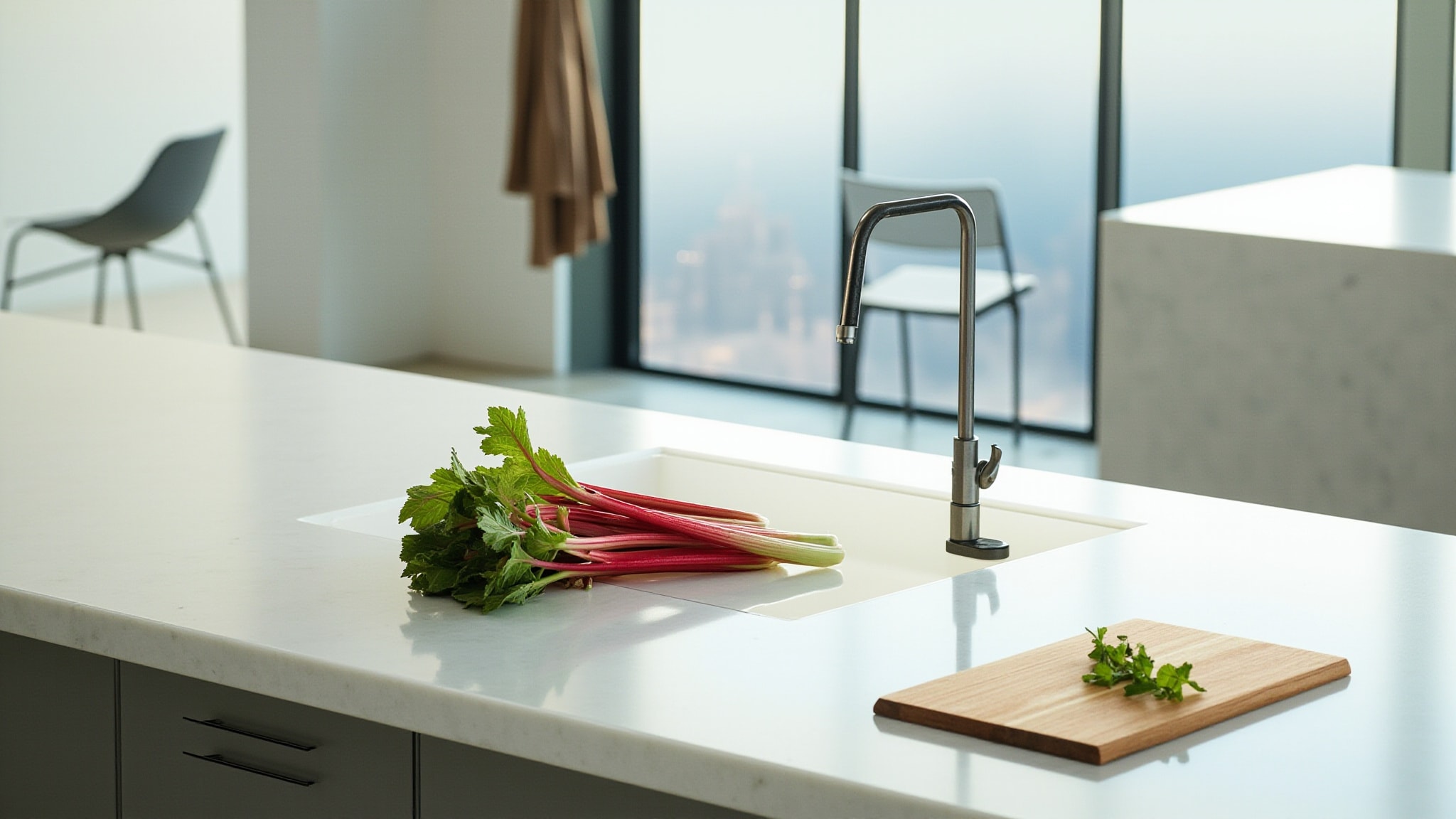
What makes Study No. 17 chemically interesting is the placement of rhubarb. In most fragrances, rhubarb appears in the heart or base, lending tartness after the opening has settled. Here it arrives early, almost immediately, adding a sour, almost medicinal acidity that reshapes how the mint and tarragon read. The result is a top phase that feels less like a garden and more like a kitchen garden, herbs cut at the stem, citrus peel, something slightly bitter. The oakmoss and lichen in the base are doing real work too. Mosses don't simply add sweetness, they introduce a damp, green, slightly bitter quality that smells like the moment before rain, like the air outside a greenhouse door.
The evolution
Mint and tarragon hit first, cold, bright, green. The bergamot sits underneath, keeping the opening from becoming purely herbal. Then, maybe twenty minutes in, the rhubarb arrives. Sour and slightly medicinal, it reshapes the entire composition. Blackcurrant follows, adding a darker, rounder tartness that pushes back against the mint. The geranium and jasmine arrive in the heart, softening what could have been too sharp, adding a quiet floral layer that keeps the fragrance from reading as masculine. By the second hour, the drydown takes over. Oakmoss and lichen dominate, damp, green, smelling of petrichor and wet stone. Patchouli lingers underneath, warm and earthy, anchoring the composition and extending wear time close to the skin. Six to eight hours is realistic on most skin types. The sillage stays moderate throughout, intimate rather than filling the room, present without announcing itself.
Cultural impact
Study No. 17 has found its audience among wearers who want something original without shouting about it. Community reviews describe it as capturing the scent of a breeze through a window, an apt metaphor for a fragrance that opens bright and green, then quietly settles into something warmer and closer to the skin. The rhubarb-forward structure is cited as what sets it apart from more conventional fresh fragrances, giving it a tartness that rewards attention. Worn primarily in spring and summer, it functions best in daytime contexts where moderate sillage is an asset rather than a limitation.