The Story
Why it exists.
The beginning
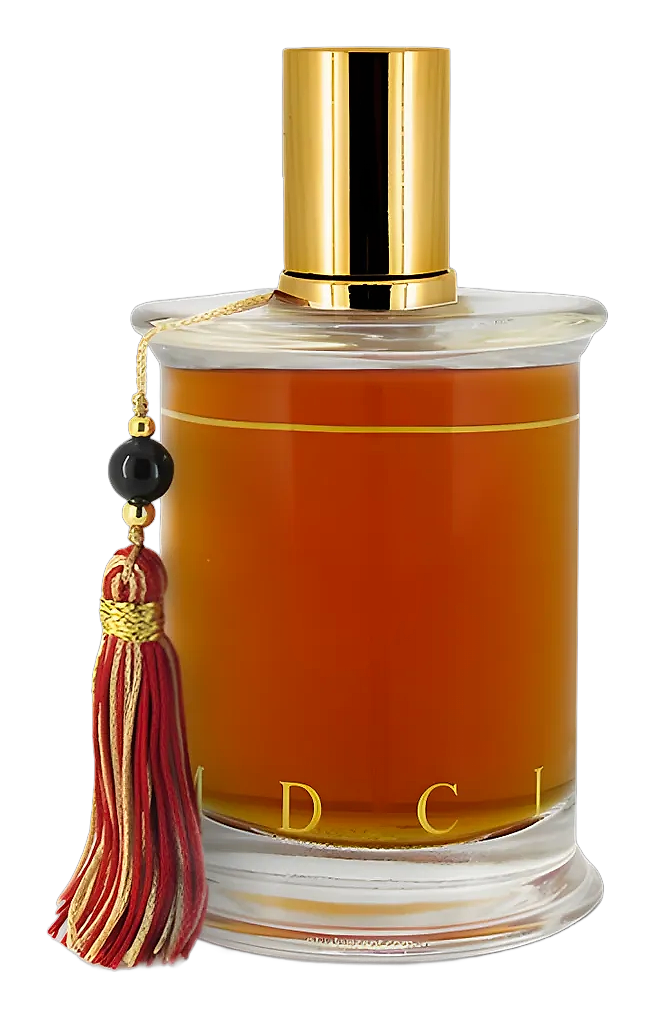
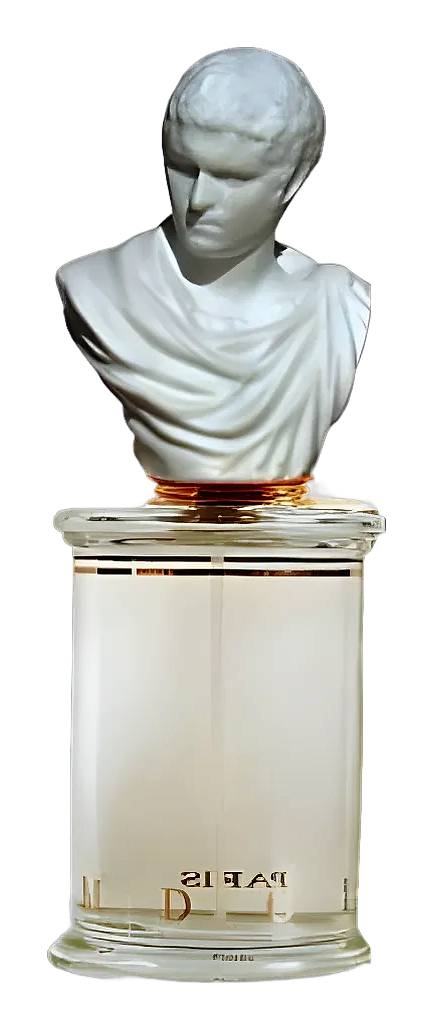
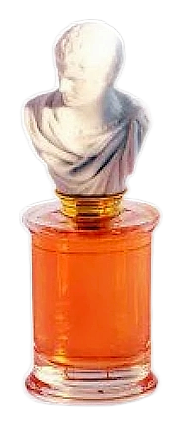
Pierre Bourdon, the visionary perfumer behind legendary compositions, designed Ambre Topkapi for MDCI Parfums in 2003. The brand, founded in Paris that same year, treats perfume as fine art, weaving historical narratives into modern olfactory forms. Bourdon's brief was deceptively simple yet deeply ambitious: translate the lavish atmosphere of Istanbul's historic Topkapi Palace into wearable form. Where sultans once surrounded themselves with pyramids of citrus and exotic spices, Bourdon would create a fragrance that captured that same spirit of opulent sensory excess. The collaboration between Bourdon's expertise and MDCI's artistic vision produced a scent that feels both historically reverent and distinctly modern.
Bourdon's note selection reflects a philosophy of contrast and abundance. The opening combines citrus brightness with tropical fruit sweetness and warm spice, creating immediate impact that commands attention. The heart's quieter floral register offers a necessary pause, a moment of softness before the deep, complex drydown. In the base, amber and musk provide warmth and intimacy, while leather, patchouli, and oakmoss add the gravitas and darkness that prevent the fragrance from becoming merely sweet. Raspberry and vanilla ensure the drydown remains approachable, never harsh. This layered structure mirrors the way a great palace unfolds: grand entrances, serene inner chambers, and intimate private spaces.
The evolution
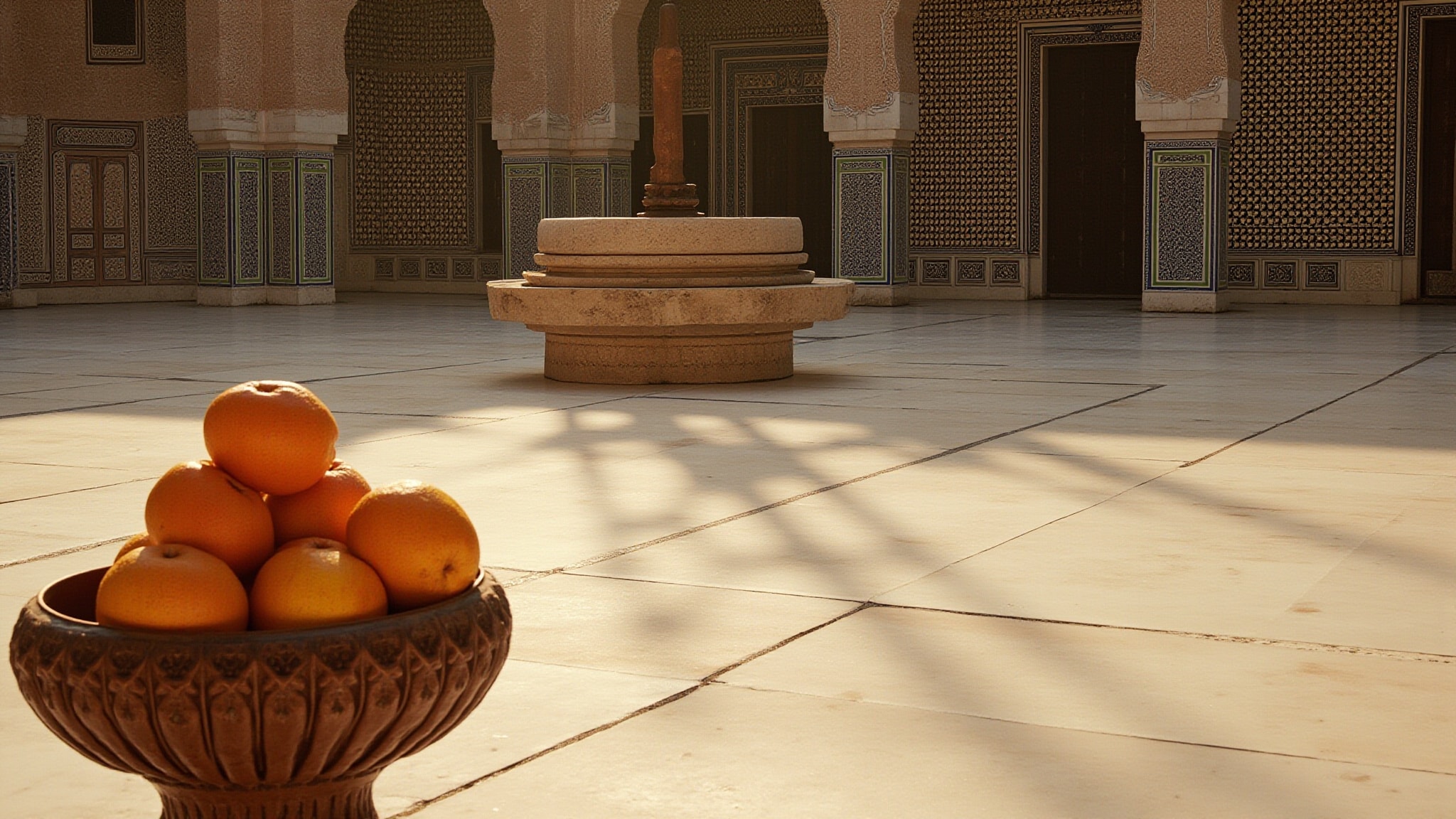
The fragrance opens like stepping into a palace courtyard at dawn, where bergamot and grapefruit cut through cool morning air while pineapple and melon offer the sweetness of a feast laid out for royalty. The aromatic herbs and warm spices that follow evoke the incense and spices that filled Ottoman halls. As time passes, the heart emerges like flowers arranged in ornate ceramic vases throughout the palace, with lily of the valley and violet bringing gentle beauty, jasmine adding heady richness, and thyme providing an herbal counterpoint. The drydown represents the palace at night, when only amber lanterns glow and the sultan rests in chambers surrounded by rich leathers, deep woods, and the lingering warmth of vanilla and sandalwood. Musk wraps around skin like silk robes, while oakmoss, tea, and vetiver add the earthy complexity of centuries-old stone walls.
Cultural impact
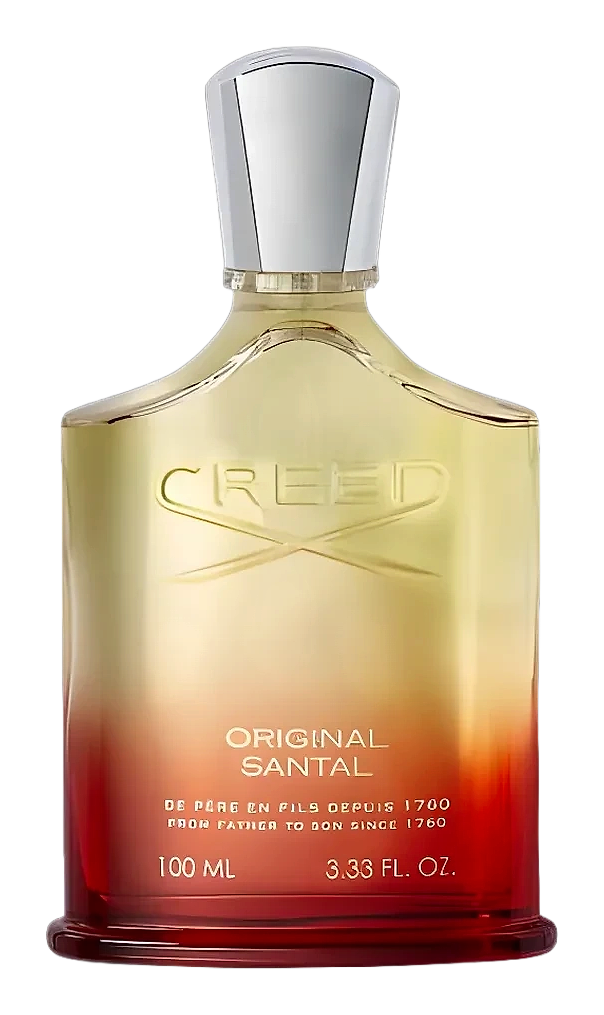
Since its 2003 debut, Ambre Topkapi has become a reference point for modern fougère compositions, praised for its daring pineapple opening that set it apart from traditional woody spices. Niche enthusiasts often cite it alongside Original Santal and Nightflight as a benchmark of balanced spice and fruit, and it continues to inspire new releases that seek a similar bright‑then‑warm arc.